


Stop Treating Every Brake Pad the Same
Here is the problem: too many engineers treat ceramic and semi-metallic pads like they’re the same thing. They aren’t. If you use the same IR settings for both, you’re asking for trouble. You’ll end up with a surface that’s scorched to a crisp while the core is still raw and under-cured. It’s a mess.
It’s All About How They Soak Up Heat
Think of it this way: ceramic pads are a bit stubborn. They reflect a lot of IR energy back at you. Semi-metallics, on the other hand—with all those steel fibers and copper—soak up heat fast. The catch? They’re prone to hot spots. We fix this by tuning the wavelength. For ceramics, we use shortwave IR to punch deeper into the coating. For semi-metallics, medium-wave does the trick, giving you that controlled surface heat without overdoing it. And please, don’t just crank up the wattage to force it to work. That’s a recipe for disaster. You’ll just burn out your emitters and waste a ton of power.
The Gear That Actually Lasts
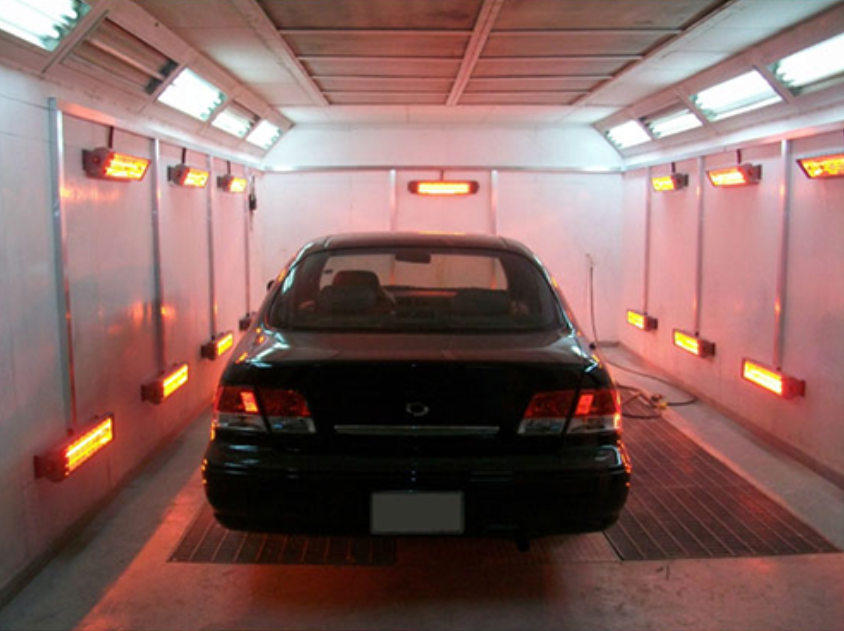
We build our lamps with high-purity quartz. Why? Because rapid cycling is brutal, and your hardware needs to handle that thermal shock without cracking. Depending on how much room you have in your oven, we can tweak the wattage and voltage to get the heat density exactly where it needs to be. One more thing: if you’re running high-output tubes, check your wiring. Cheap connectors will pit and fail under that kind of current. It’s frustrating and dangerous. We use industrial-grade terminations so you don’t have to worry about your lamps arcing out during a high-temp ramp.
Finding the Sweet Spot
High-density emitters are great because they slash your cure time. But there’s a trade-off. If you pump 2500W into a tight space, your ambient air temperature is going to skyrocket. If you don’t have a solid airflow plan, you might actually warp your oven housing. Not ideal. We’ll help you pick the right length and power profile. That way, you hit your Takt time without stressing your machine’s chassis to the breaking point.