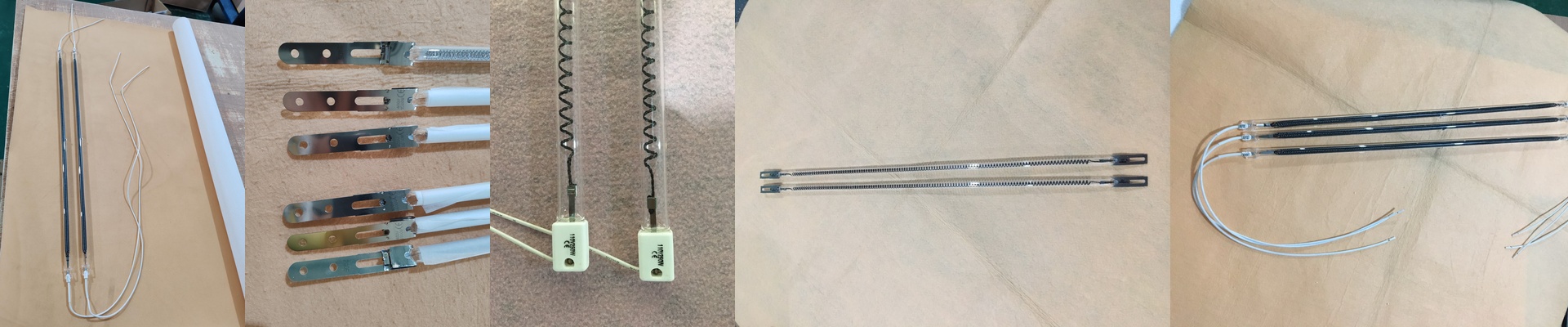

Let’s Talk About Carbon Fiber Infrared Heating
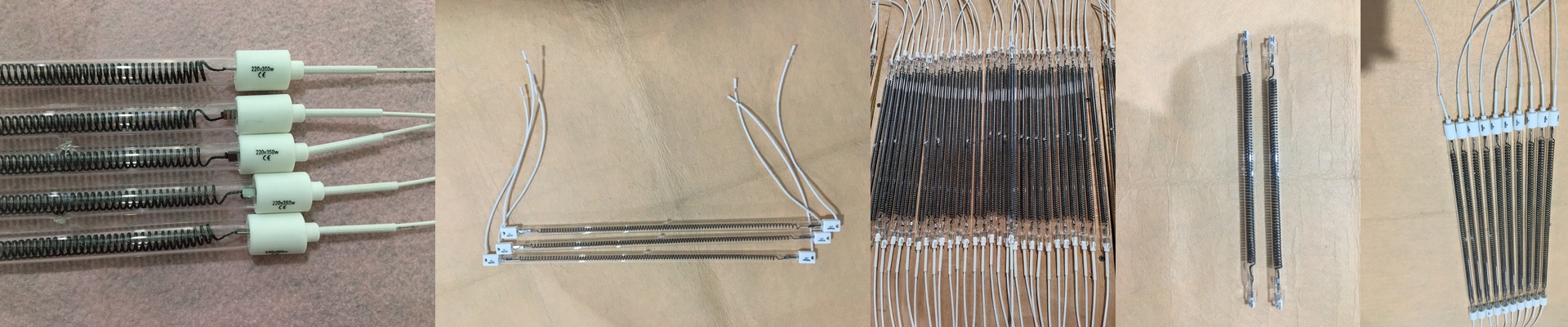
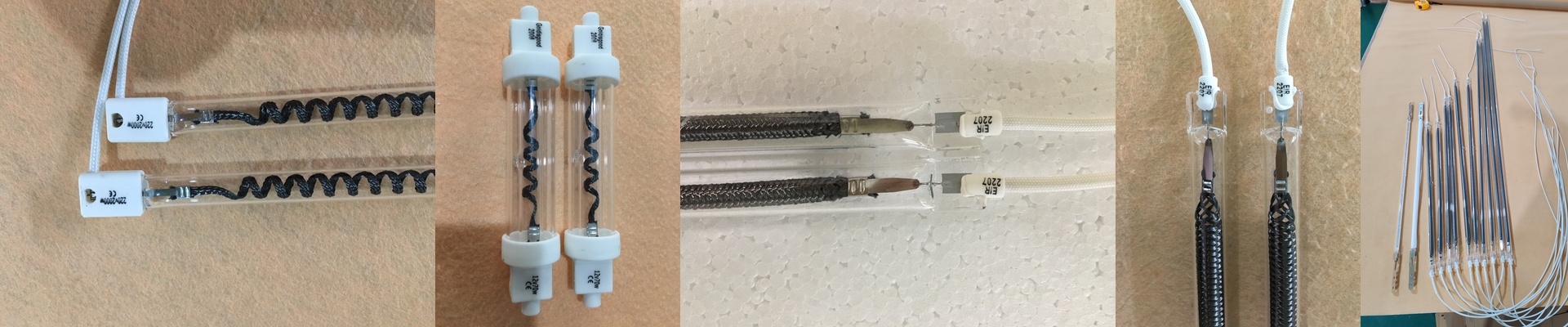
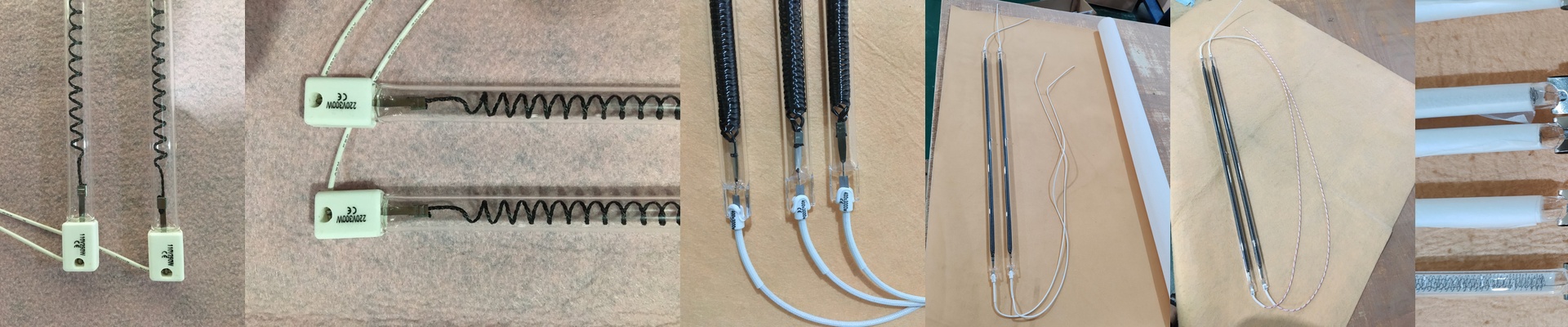
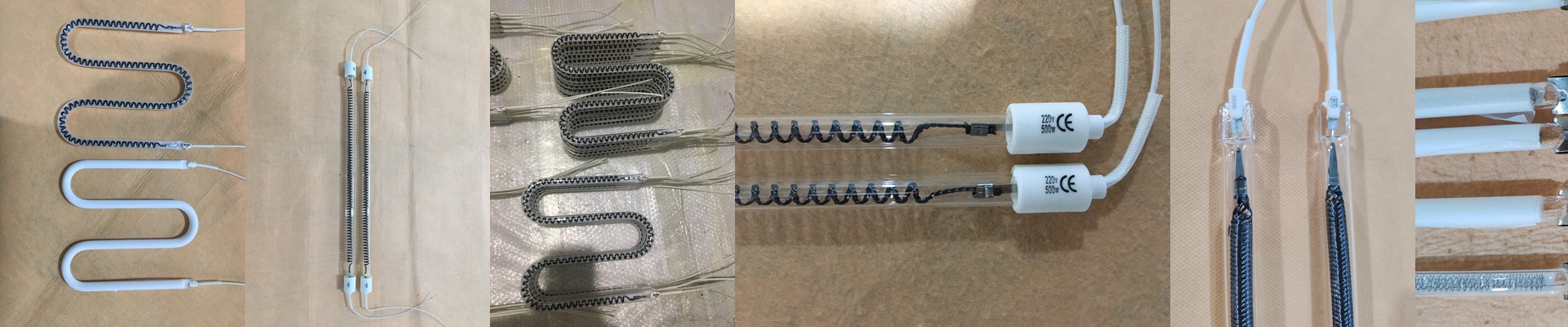
If you’ve ever dealt with old-school heating elements, you know the drill. They take forever to warm up, and they’re just… clunky. That’s why we use carbon fiber. Basically, we take a carbon filament and tuck it inside a quartz tube. It pumps out high-intensity shortwave radiation. The real magic here is that carbon fiber doesn’t struggle with voltage the way metal alloy coils do. It just works. It’s designed for those moments when you need heatright nowand you need it concentrated exactly where you’re pointing it.
The Nitty-Gritty on Power
We build these lamps in a bunch of different wattages and voltages, so they’ll actually play nice with whatever industrial grid you’re running. But here is the thing: if you go with a high-wattage tube, you’re dealing with some serious heat density. You can’t just plug it in and walk away. You’ve got to make sure your cooling system can handle the ambient temperature rise around the housing. If your ventilation is weak, you’re just asking for the filament to burn out early. And please, don’t skimp on the connectors. We use R7s or Sk15 because they keep the lamp locked in tight, even when your machinery is vibrating. A loose connection is a nightmare—it creates an arc that will fry your end cap in a heartbeat.
What They’re Made Of
The quartz tube isn’t just for show; it keeps the carbon filament from oxidizing. We also offer coated versions if you need the heat to sink deeper into things, like thick plastics or heavy coatings. One of my favorite things about carbon fiber? It handles heat expansion way better than tungsten. It doesn’t sag over time. That means your heat pattern stays consistent across the whole tube, instead of dipping in the middle.
Putting Them to Work
You’ll mostly see these in PET bottle blowing or paint curing lines. The best part is that the shortwave output hits the target surface directly. It doesn’t waste energy heating up all the air in the room. Just a heads-up when you’re wiring these: check your PID controllers. Carbon fiber reacts almost instantly. If your control loop is sluggish, you’ll overshoot your target temperature and end up scorching your parts. They’re a great drop-in replacement for those old halogen tubes, but just remember—the heat profile is a lot more aggressive. Treat them with respect, and they’ll do the heavy lifting for you.