


Carbon Fibre Halogen Heaters: Serious Heat, Built for Precision Work
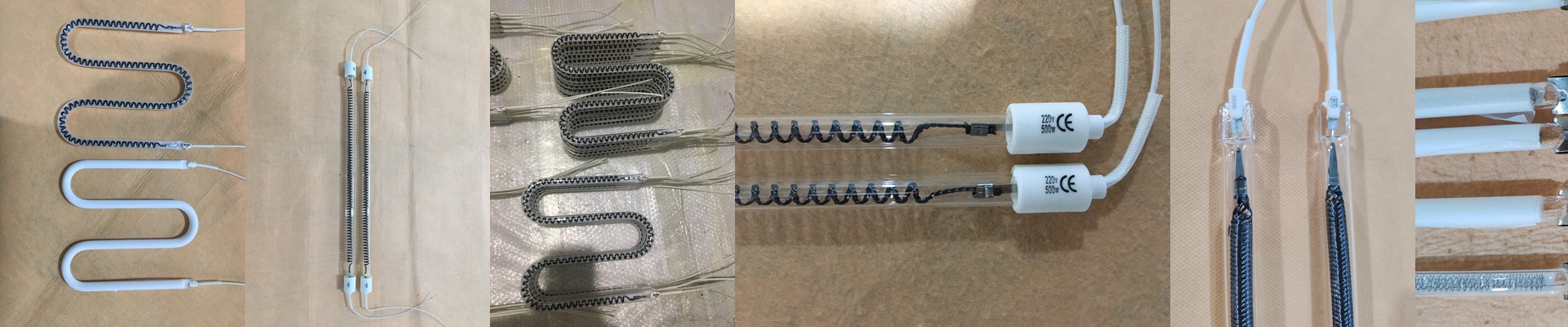
We built these carbon fibre heating elements for one reason: to pack a ton of controllable heat into a small space. Forget the old resistance wire lamps. Inside a high-purity quartz tube, we’ve got a carbon fibre core, all sealed up with halogen gas. It’s a setup that lets you run hotter, cleaner, and way more consistently than a traditional coil. Perfect when you need heat on demand, and you need it fast.
The Power Behind the Heat
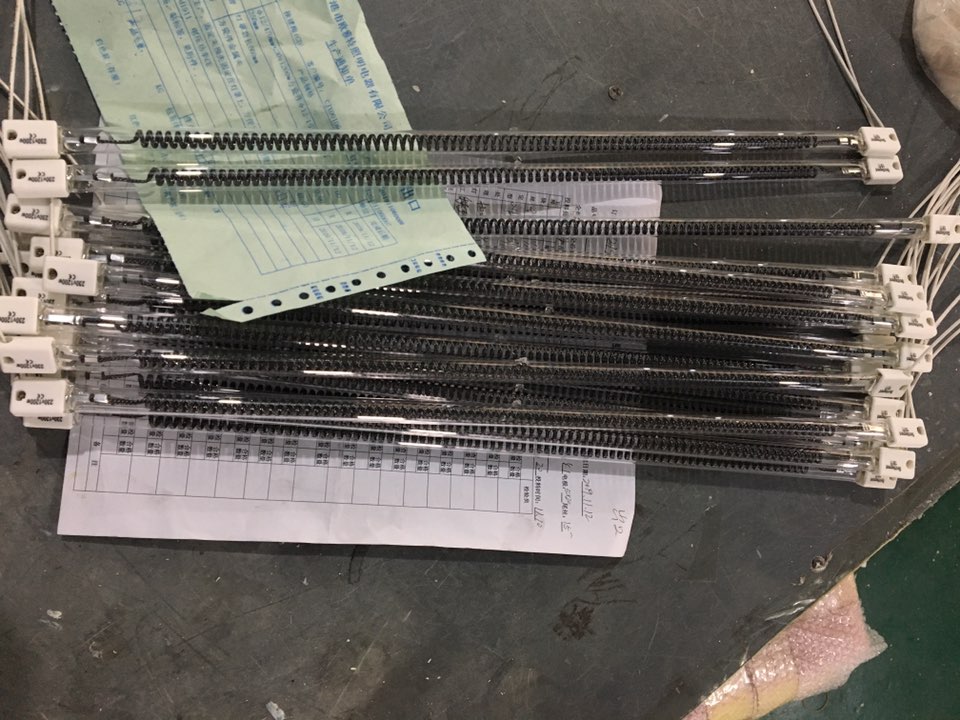
These things are engineered for the real world—for the grind of industrial work. A typical unit runs on 400V and cranks out 2500W of power. That’s a serious punch, all packed into a 300mm tube. Here’s the clever part: you get that high heat density without drawing a massive current. That keeps your wiring and contactor sizing simple. The 300mm length and 10mm diameter are a deliberate choice, too. Enough surface to spread the heat evenly, but small enough to get into tight spots and focus the energy exactly where you need it.
The Secret Sauce: Halogen, Quartz, and a Smart Base
The carbon fibre element inside is the real hero. It handles rapid temperature swings without sagging or creating hot spots. And the halogen gas does something brilliant—it keeps the element clean by redepositing any evaporated material. So, the heat output stays stable over time. No dimming. No early burnout. Just consistent performance. The quartz envelope is tough, too. It handles the high temperatures and keeps its dielectric strength, which is crucial when you’re running high voltage. Then there’s the R7s base. It’s a practical, no-fuss choice. It gives you a solid, two-point contact, handles the current safely, and makes wiring the lamp a quick job. It’s a simple, drop-in replacement.
Where This Power Shines
These carbon fibre halogen lamps are the go-to for demanding jobs like PET blowing and plastic forming. They’re all about fast heat-up and precise temperature control. The high watt density means you can heat up small zones almost instantly. But with that kind of power, you need to plan your cooling and machine layout to match. You’re getting a fast, reliable heat pulse. Just make sure you’ve got the right heat shielding and airflow to manage the thermal load.