


Getting Your IR Lamp Layout Right for Custom Paint Booths
When we’re building heating walls for auto booths, we’re chasing one thing: a little bit of magic where every inch of the car gets the exact same amount of heat. But here’s the thing. A “one size fits all” lamp layout is a recipe for disaster. You can’t treat a low-slung Porsche the same way you treat a high-roof Sprinter van. Their shapes are completely different, so their heat maps have to be different too.
Where to put the lamps
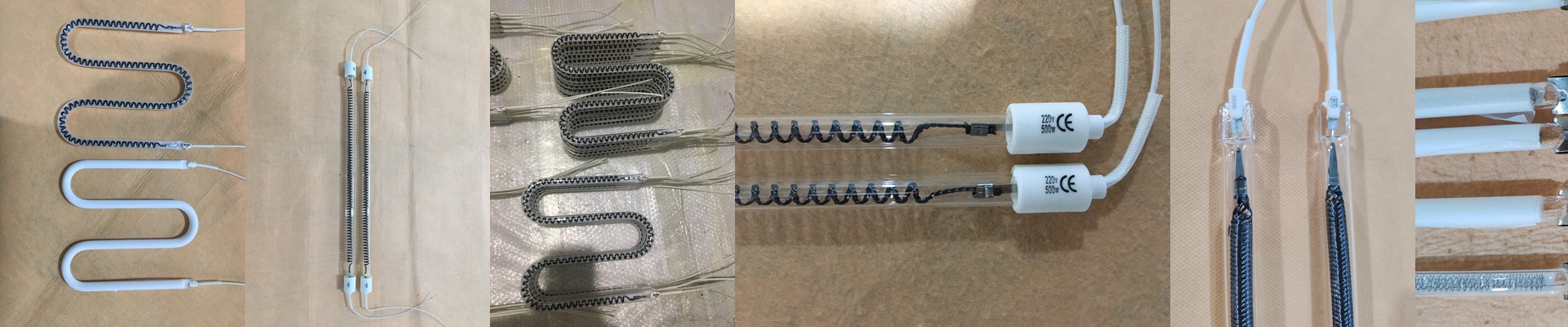
Spacing your lamps evenly sounds logical, but it doesn’t actually work. Instead, we look at the profile of the car. We usually cluster more lamps in the middle of the wall. Why? Because that’s where the doors and fenders are, and those areas lose heat the fastest. If you’re working with bigger rigs, we just shift those focal points higher up. We stick with shortwave infrared tubes. They’re great because they push heat deep into the paint layers without scorching the surface. It’s the best way to avoid that dreaded solvent pop.
Power, heat, and the “real world”
We generally use high-wattage quartz lamps. They work, but they’re hungry for power. If you cram too many lamps into a tight space just to get a faster temperature ramp, you’re going to trip your breakers. It’s a headache nobody wants. You’ve got to make sure your cabling and panels can actually handle the peak load. To keep things simple, we mount these tubes in modular racks. When a tube eventually burns out—and they will—you don’t want a nightmare of wiring. We keep it basic so your guys on the floor can swap a lamp in five minutes and get back to work.
Killing the cold spots
The edges of a heating wall are tricky. You often get “cold spots” where the heat just leaks away. Our fix? We overlap the radiation cones. By angling the outer tubes slightly inward, we can basically “wrap” the heat around the curves of the car. Then there’s the distance. This is where a lot of people mess up. If the car is too close, you’ll get hot spots that ruin the finish. Too far, and you’re sitting around twice as long waiting for it to cure. We usually suggest a gap of at least 500mm. It gives the infrared waves enough room to spread out and hit the panels evenly.