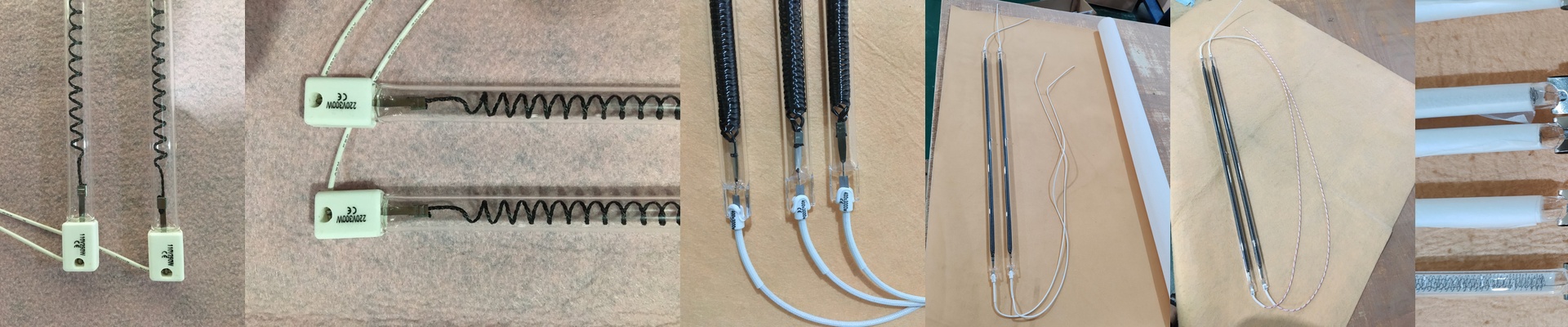
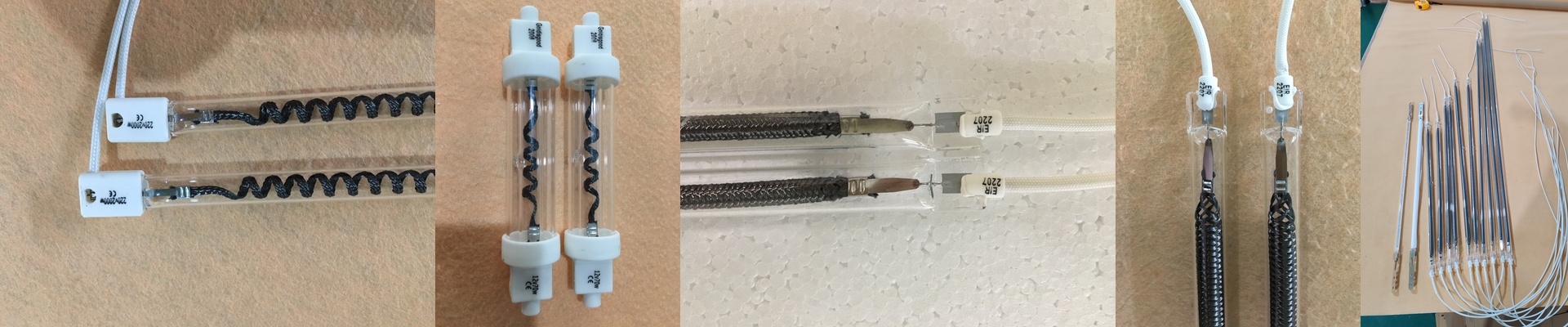
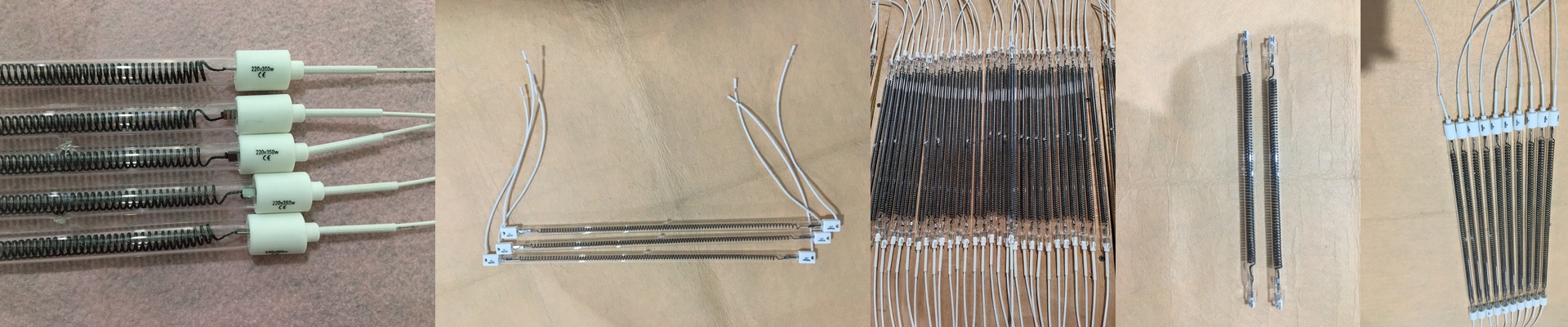
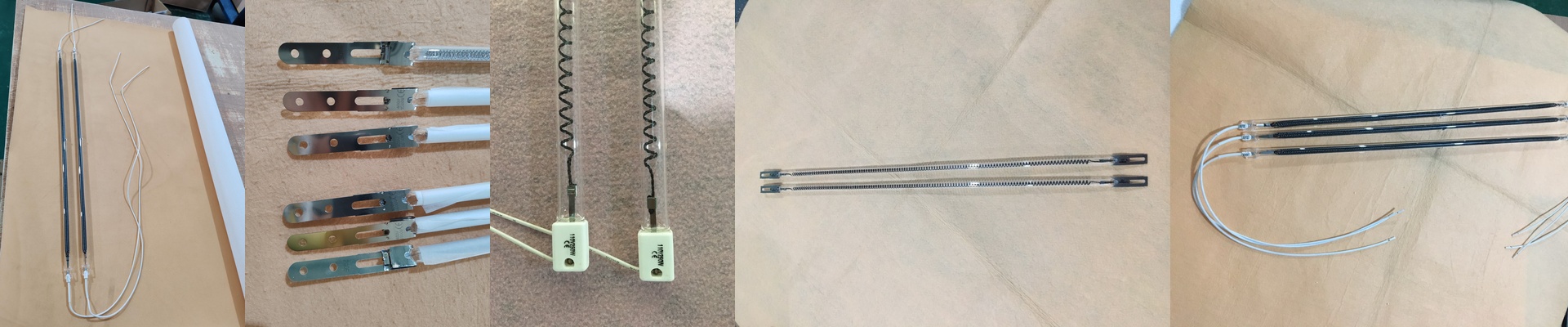
Why we went with carbon fiber for our sauna heaters
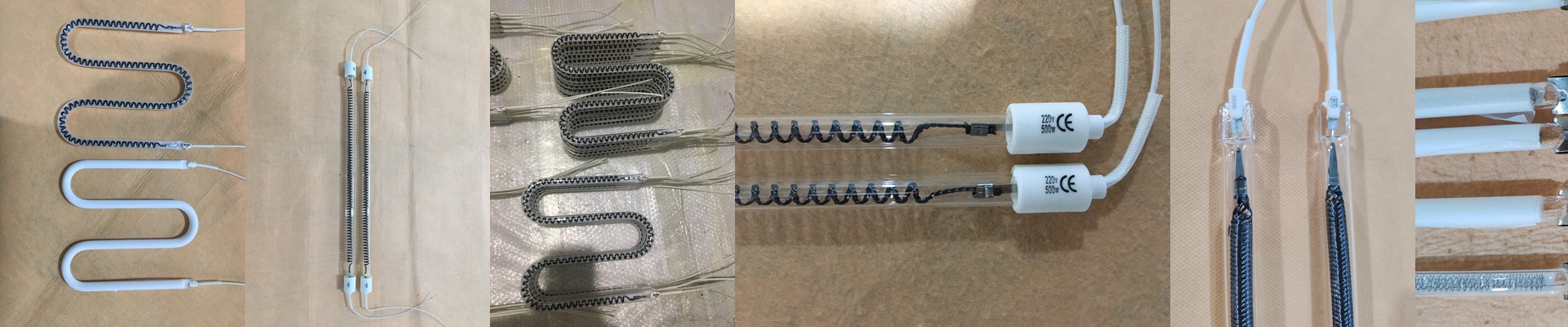
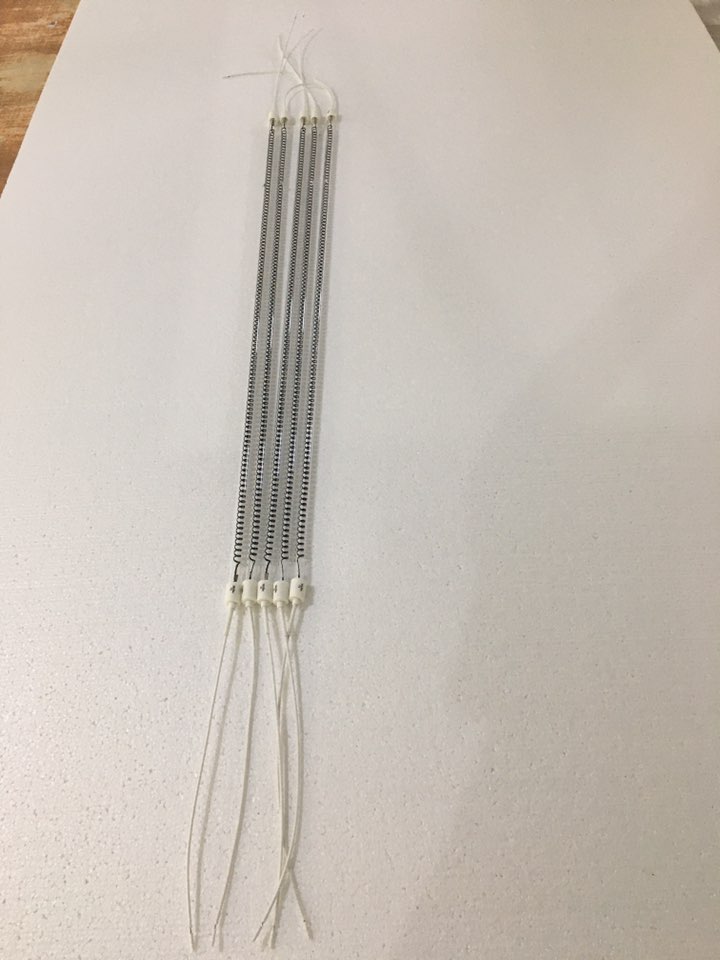
Most saunas use old-school metal coils. They work, sure, but they mostly just bake the surface of your skin. We decided to switch things up and use carbon fiber filaments instead. Why? Because it shifts the heat into the far-infrared spectrum. Instead of just feeling hot on the outside, the heat actually sinks deep into your muscles. It’s a completely different feeling. Getting the heat just right Here’s the thing about carbon fiber: it doesn’t get nearly as searingly hot as those quartz halogen tubes. This means you get a soft, steady warmth that fills the whole room rather than hitting you with a blast of heat in one spot. But you have to be careful with the wattage. If you cram too much power into a small space, you risk scorching the wood cladding. And please, for the love of your equipment, match your power supply to the lamp’s voltage exactly. If you push it too hard, you’ll fry the filament, and then you’re just staring at a broken lamp. Built to survive the steam Saunas are brutal on electronics. Between the humidity and the sweat, most heating elements just give up. To stop that from happening, we weave the carbon fiber into a conductive matrix and tuck it inside a ceramic or quartz sleeve. It acts like a shield. Plus, carbon fiber is way more flexible than tungsten. It expands and contracts as it heats up without warping or snapping. It just lasts. Putting it all together If you’re swapping these into your existing setup, they’re pretty much drop-in replacements for standard panels. You can wire them in series or parallel—whatever your controller likes. Just a heads-up: carbon fiber handles electricity differently than metal. Definitely double-check your current draw before you flip the switch. Also, if your sauna is on the smaller side, stick with shorter lamps so you don’t overheat the corners. One last tip: make sure your wiring can handle the heat. You don’t want your insulation melting while you’re trying to relax.