Introduction
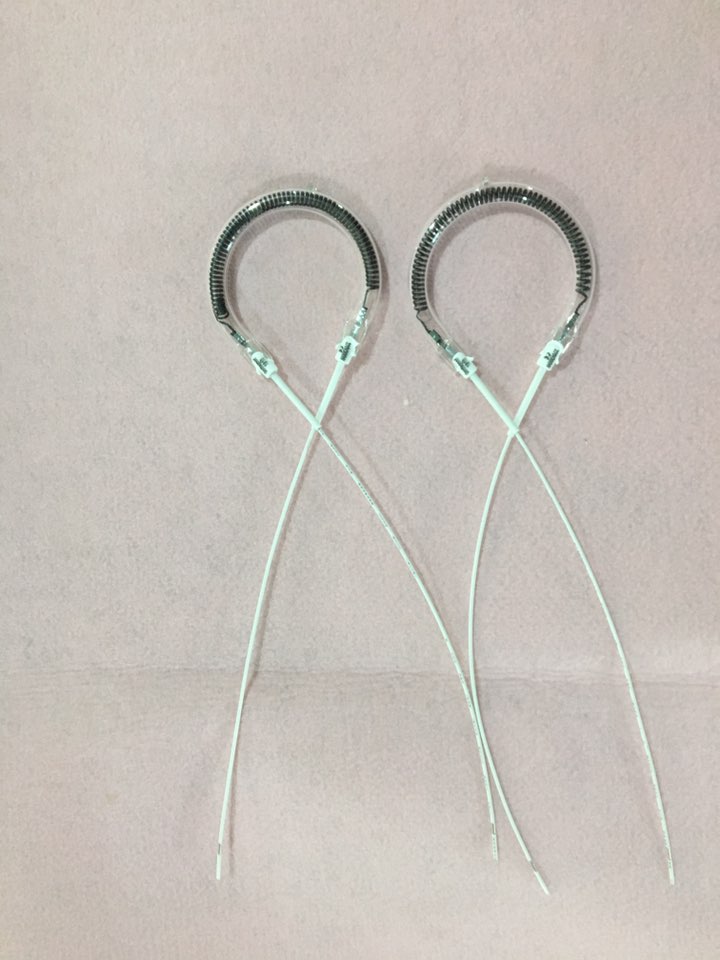
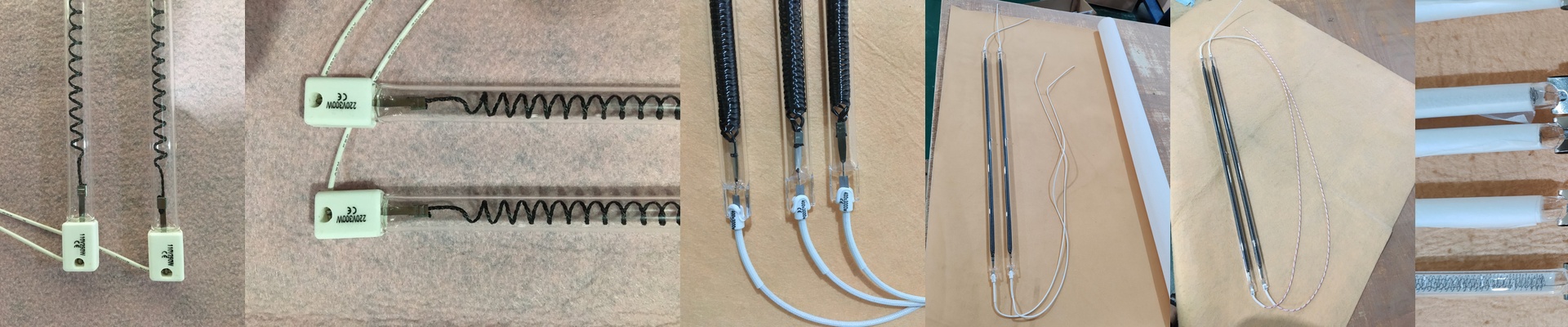
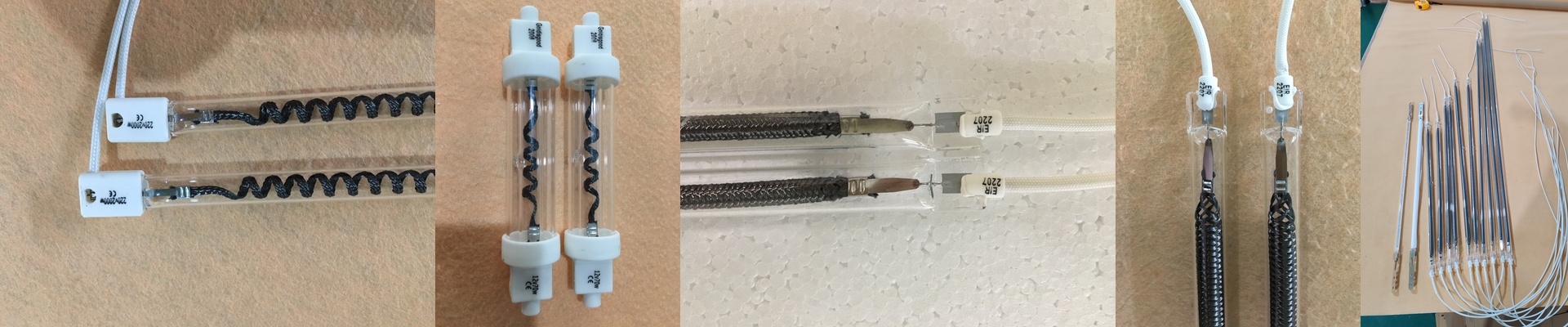
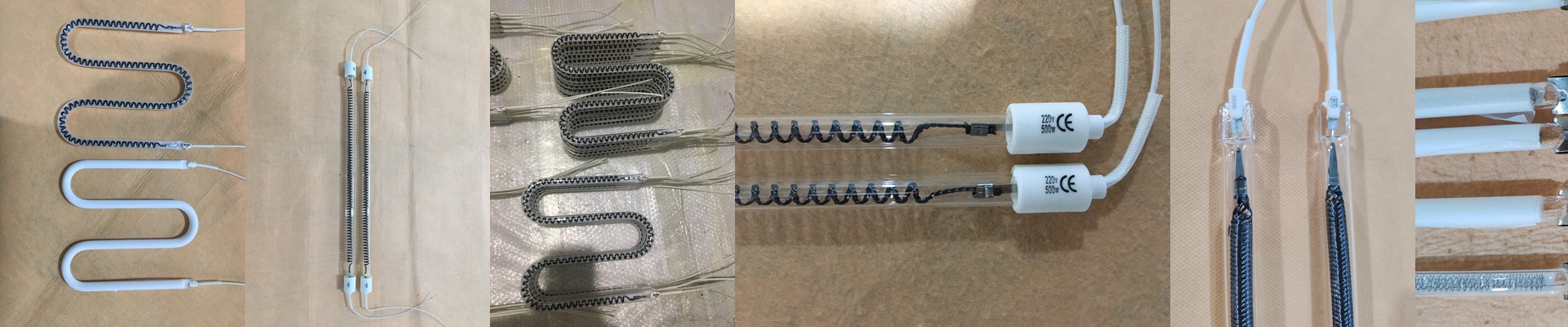
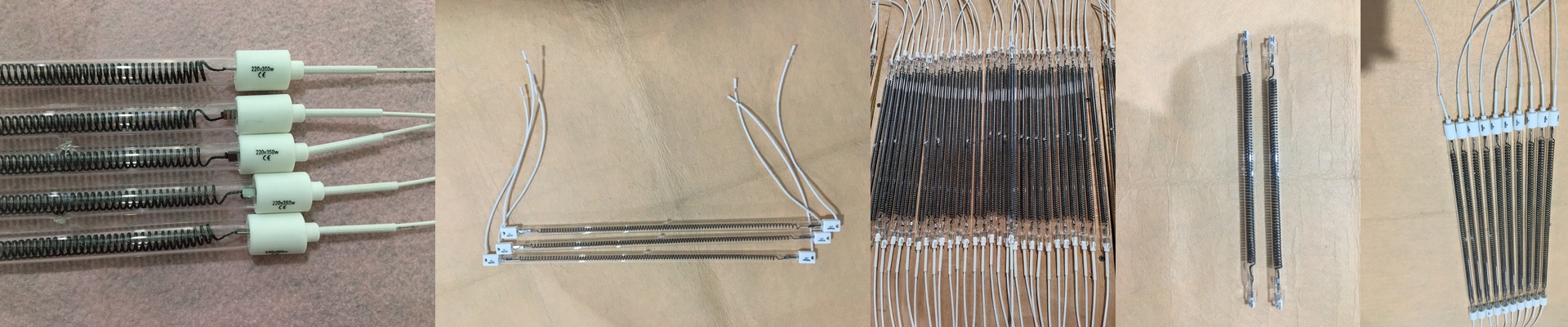
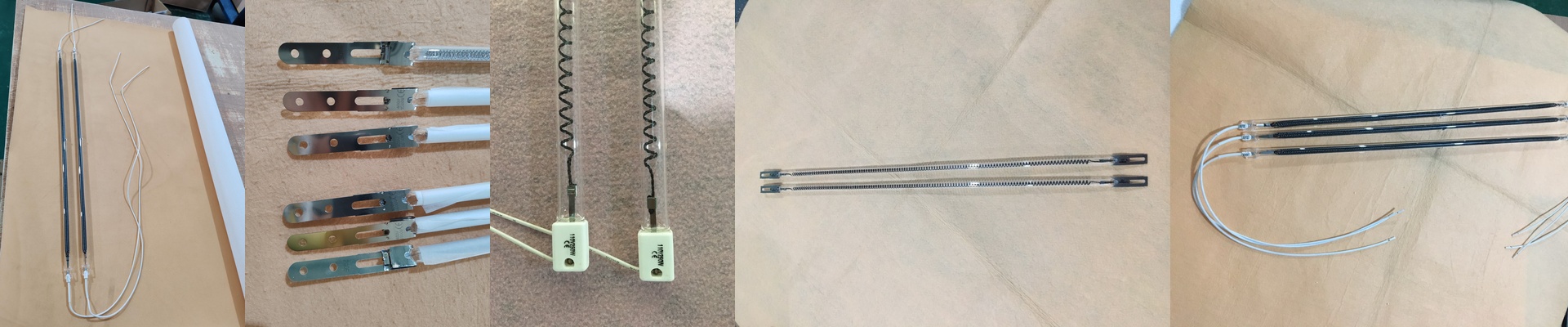
We build carbon fiber halogen heating tubes for engineers who need a reliable heat source in tight spaces with strict power demands. These tubes are not general-purpose heaters. They are built around a high-temperature quartz envelope, a carbon fiber heating element, and a halogen fill gas that keeps the hot zone stable at high watt densities. If you need a drop-in replacement for a 300mm line or you are spec’ing a new machine, this configuration is designed to deliver predictable heat output with a compact footprint.
Technical Deep-Dive: Power, Voltage, and Dimensions
The core of these tubes is the 400V, 2500W rating paired with a 300mm length. That combination is intentional. High voltage allows us to deliver substantial power without pushing excessive current through the element. Lower current reduces conductor size and stress on terminations, which matters when you wire the tube into a machine that cycles on and off repeatedly. A 2500W output in a 300mm active length gives you high heat density. You get fast warm-up and stable temperature control in a short distance. That is useful when you have limited clearance around a blow mold, a sealing bar, or a narrow process window. The trade-off is real. High power density creates a hot surface and a concentrated heat load. The machine must handle the heat rejection—airflow, shielding, and thermal separation must be designed in. If you run this tube in a sealed, unvented enclosure, you will see overheating and shortened component life. Plan the cooling and mounting accordingly.
Material and Design: Carbon Fiber, Halogen, and R7s
We use a carbon fiber heating element inside a quartz envelope because quartz handles rapid temperature swings and maintains dimensional stability. Carbon fiber provides consistent resistance across the hot zone and mechanical resilience against thermal shock. The halogen gas fill is not for looks. It suppresses filament evaporation and reduces blackening over time. The result is stable output over long life, which matters when you cannot afford drift in a production process. Termination is where many installations fail. These tubes use an R7s base. That gives you a secure, aligned mechanical connection and a robust electrical interface. R7s is common in industrial equipment, so it is easy to spec into a new build or replace in the field. The design also supports straightforward mounting and alignment, which reduces installation time and service calls.
Application and Benefits: Tight Footprint, Predictable Heat
These tubes are built for applications that need concentrated heat in a small envelope. Think PET blowing, plastic preform heating, sealing, and other industrial processes where you need fast, controllable heat without a large heater footprint. The benefit for you is straightforward: predictable heat, compact form, and a termination that matches standard fixtures. The tube delivers fast response, which helps reduce warm-up time on the line. It maintains output stability, which supports consistent part quality. And the R7s base makes it a practical drop-in replacement, so you can minimize downtime during maintenance. One practical note: the 400V rating demands proper insulation and clearance in the wiring bay. Treat the terminals with respect, use rated connectors, and confirm your control strategy can handle the inrush current at startup. When the installation is done right, this tube is a dependable workhorse for high-density heating tasks.