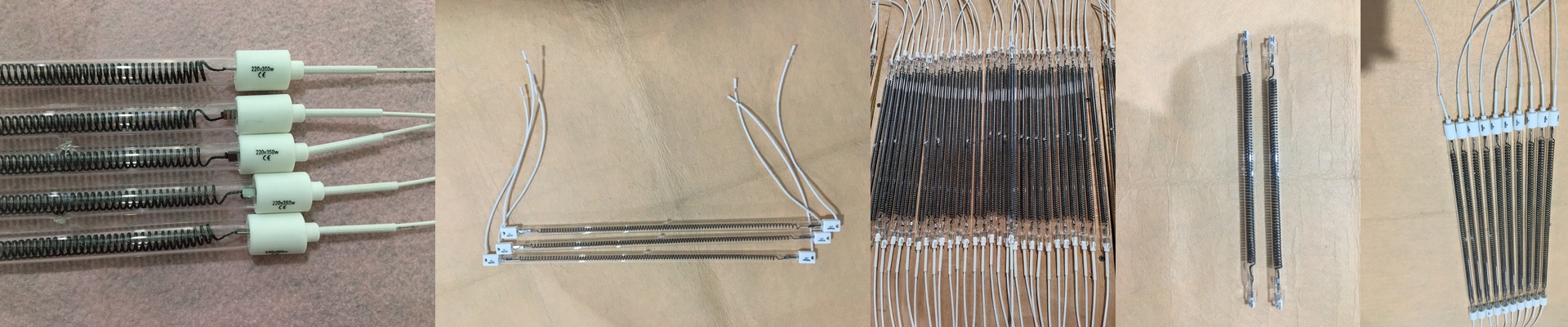
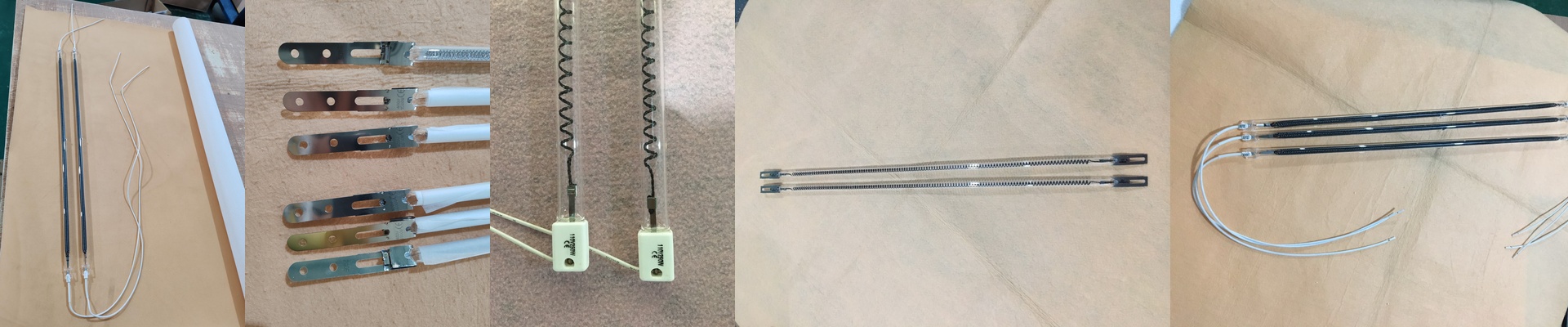
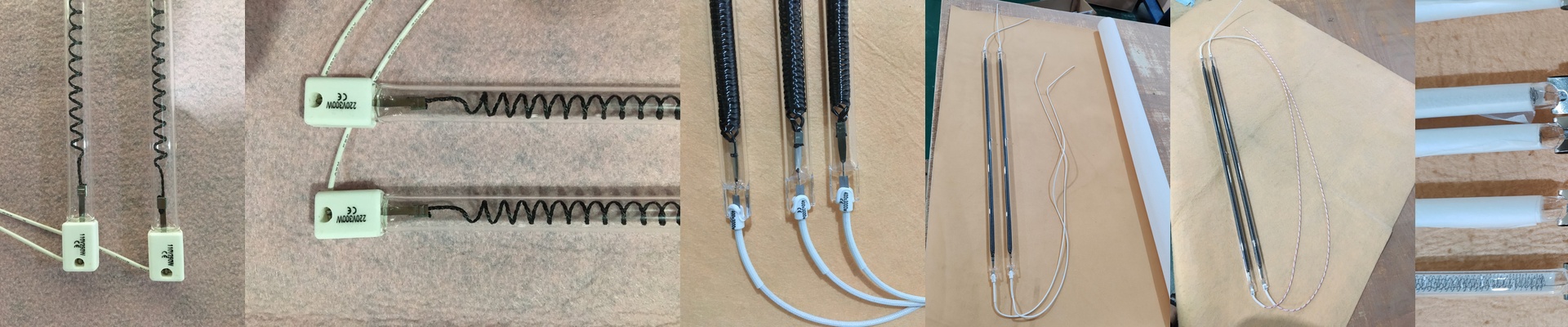
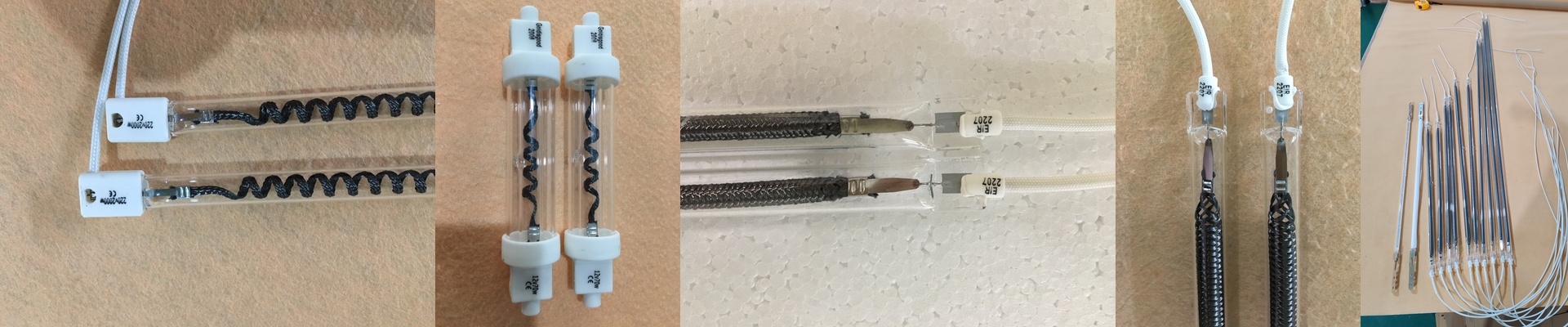
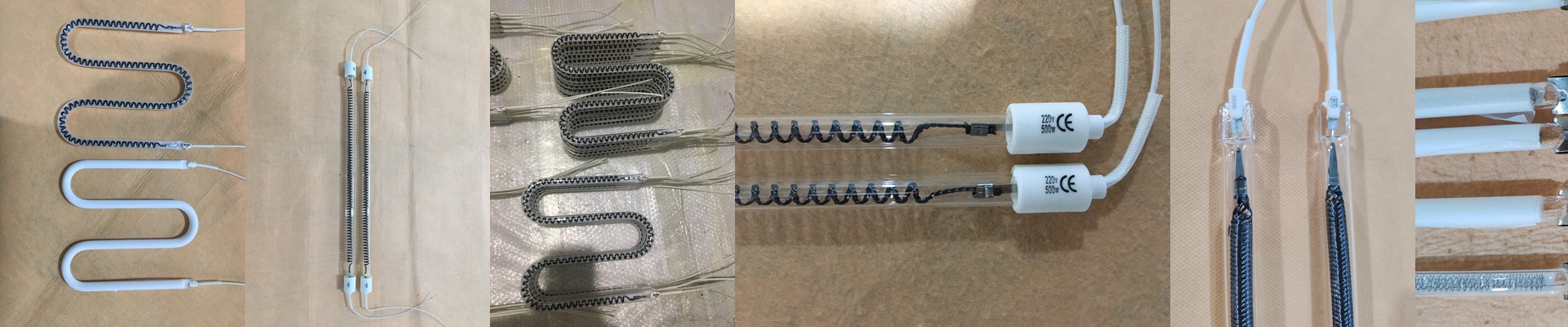
Let’s talk about Quartz Infrared Carbon Fiber Heaters
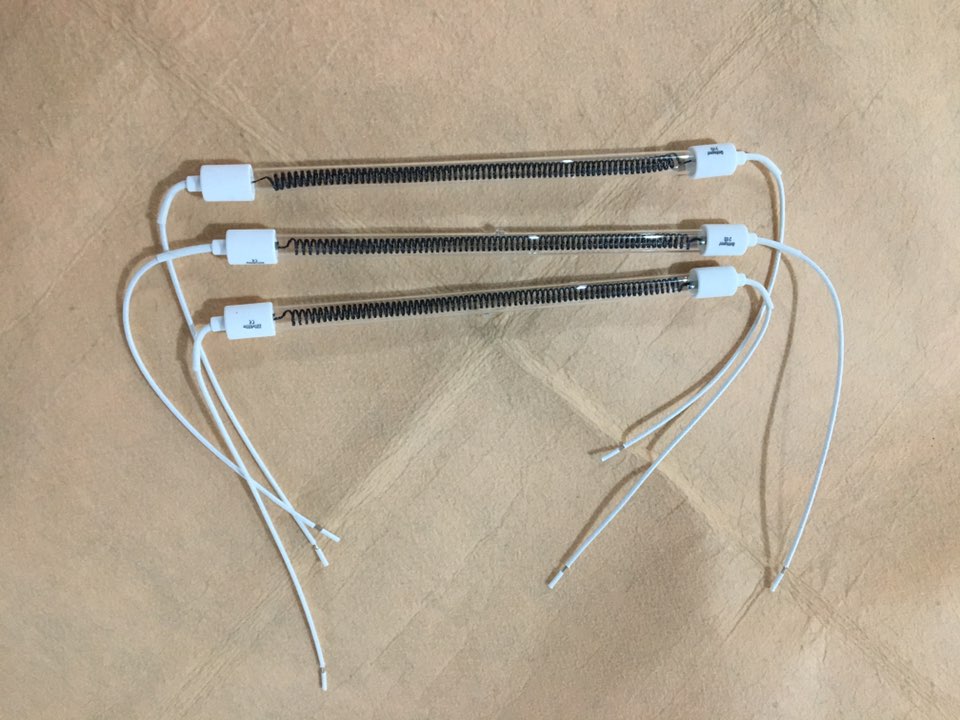
If you’re tired of dealing with those fragile tungsten filaments that feel like they’ll snap if you look at them wrong, we’ve got a better way. We use carbon fiber heating elements tucked inside high-purity quartz tubes. The result? You get heat that hits hard and hits fast, exactly where you need it. The nitty-gritty on the heat These aren’t your average coils. Because the fiber has a larger surface area, we can crank up the wattage without the temperature getting wonky across the tube. If you’re running a high-voltage system, the response time is almost instant. It’s snappy. One quick tip: keep those tubes clean. Seriously. Any oil or fingerprints left on the glass during install can create “hot spots.” That’s a one-way ticket to a burnt-out element, and nobody wants to deal with that downtime. Getting them set up We use quartz glass because it lets the infrared energy fly right through without getting blocked. Since carbon fiber doesn’t fight the current as much as tungsten does, you have to be spot-on with your power supply. It needs to match the lamp’s wattage perfectly. If you’re off, you’ll either end up with a lukewarm workpiece or a blown element. To keep things safe, we pair these with heavy-duty connectors. They handle the heavy current draw so your terminals don’t start overheating. Where this actually matters You’ll see these working hard in PET blowing, curing lines, and drying tunnels. Basically, anywhere where you need to hit your target temp in a matter of seconds. Since the heat is so concentrated, you can actually shrink the size of your heating bank. It saves space. Just remember to keep your reflectors polished. If they’re dirty or pitted, you’re just wasting energy. The lamps have to work twice as hard to make up for it, which kills their lifespan. Keep them shiny, and your heaters will last a lot longer.