Short Wave Carbon Fiber Heating Lamps: Precision Heat for Engineers Who Mean Business
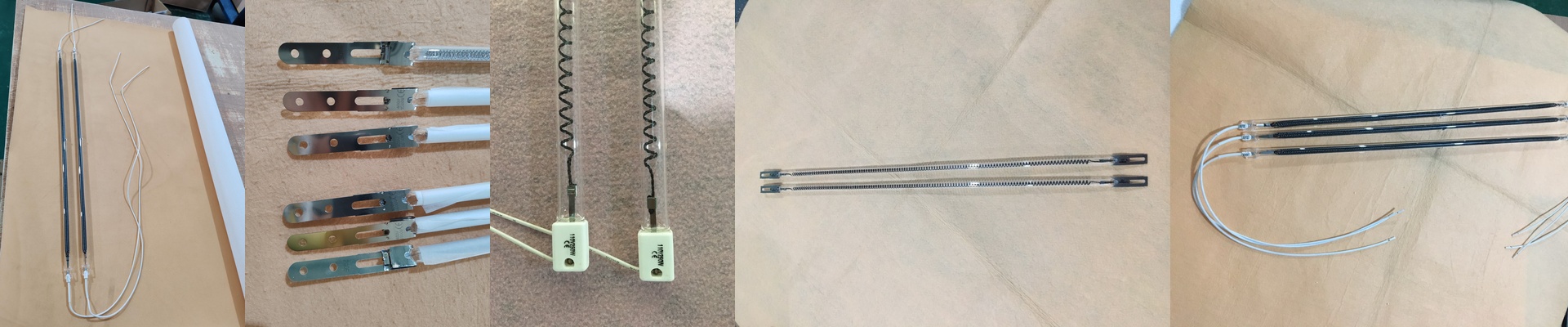
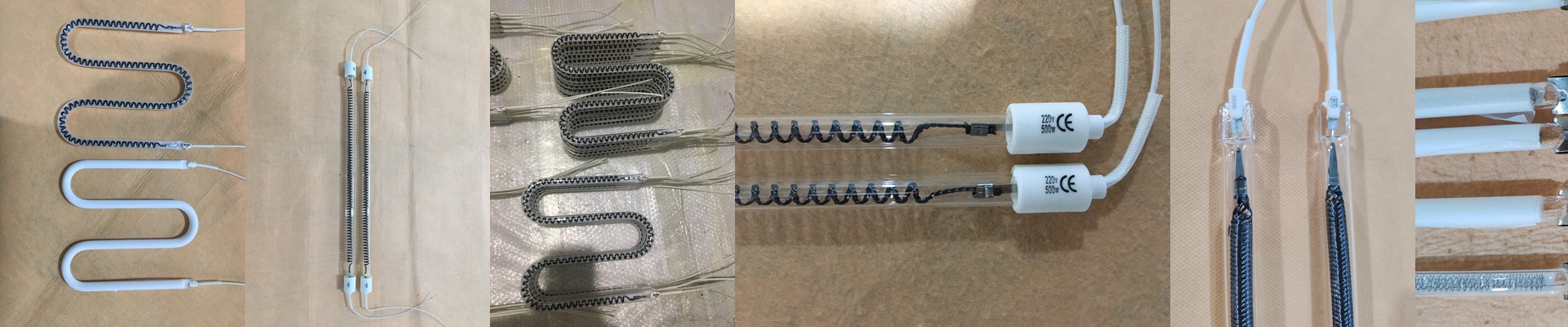
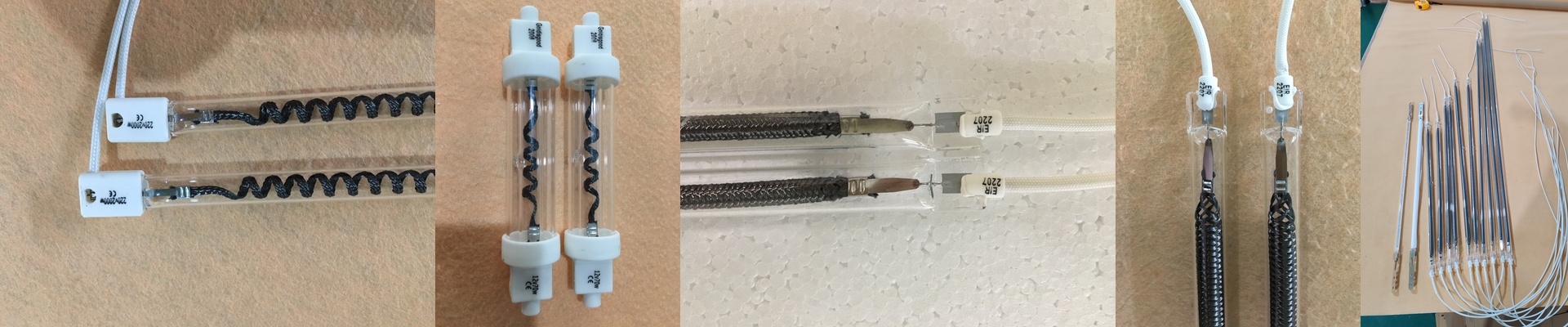
We built this short wave carbon fiber heating lamp for one reason: to give engineers the kind of intense, controllable heat that fits into a tight space. This isn’t a general-purpose heater. It’s a precision tool—built for high-speed processes where every watt matters and every millimeter counts.
Power, Voltage, and Size: The Details That Matter
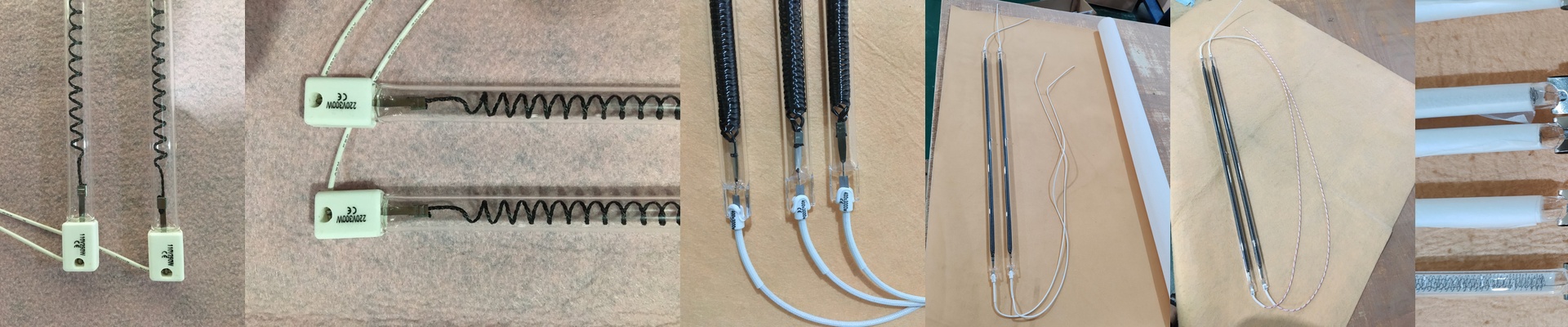
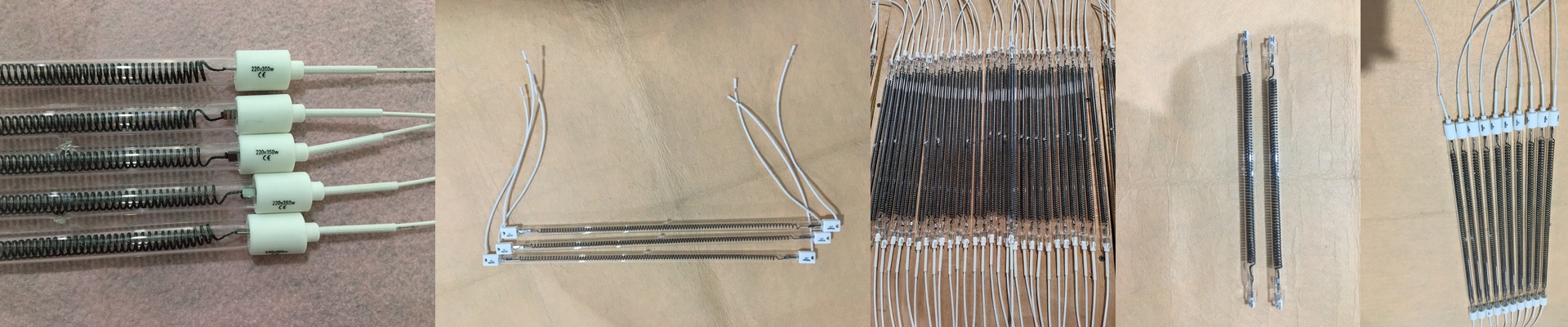
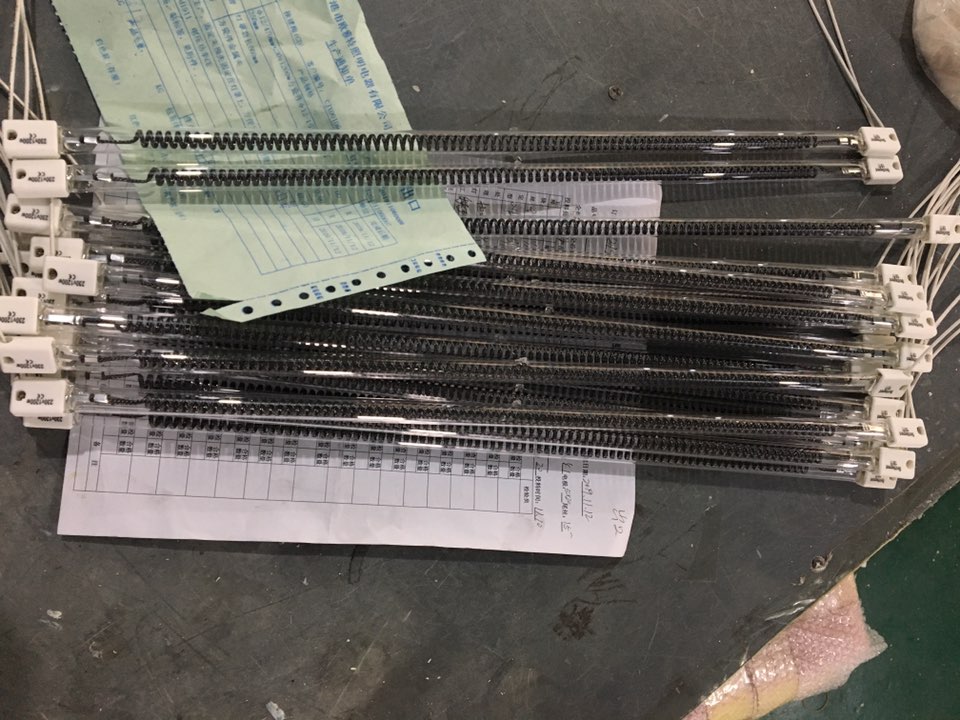
Here’s the thing—this lamp runs at high power density. We’re talking 400V, with wattages like 2500W. That voltage setup lets us deliver serious heat without needing oversized copper wiring at the terminal. But it does mean your control circuit has to be rated for the same voltage. The tube itself is typically around 300mm long. That gives you a concentrated heat zone that fits into cramped machine cavities—but the footprint is fixed. So you’ve got to match the lamp length to the space you have and the heat pattern you need.
What’s Inside: The Build That Makes It Work
The core is carbon fiber, chosen because it heats up fast and doesn’t hold onto heat. We fill the lamp with a halogen gas mix to keep the filament stable and prevent evaporation, so output stays consistent over time. The envelope is quartz—tough enough to handle rapid temperature swings and clear enough to let shortwave energy through cleanly. And on the outside, a reflective coating pushes more energy forward, so you get more usable intensity right where you need it. The connector? We use an R7s—industry standard, reliable, and it handles the current while giving solid mechanical support. That means it drops right into existing fixtures with minimal hassle.
Why It Shines: Speed, Control, and Real-World Use
This setup is made for processes that need heat on demand—fast. Think PET blowing, thermoforming, adhesive curing. The short wave spectrum hits surfaces hard and fast, which cuts cycle time and keeps your line moving. The compact tube makes mounting and alignment straightforward. The R7s termination keeps wiring clean and repeatable. But there’s a trade-off—packing 2500W into a 300mm tube means the surrounding components and housing have to be built to handle the heat. So plan your layout with cooling and temperature management in mind.