Why Carbon Fiber is the Secret to Better Pizza Heat
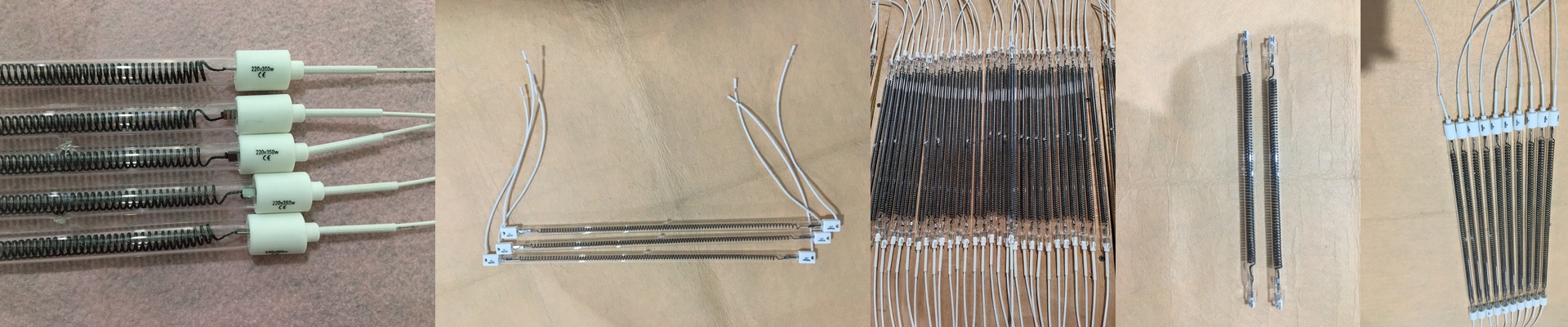
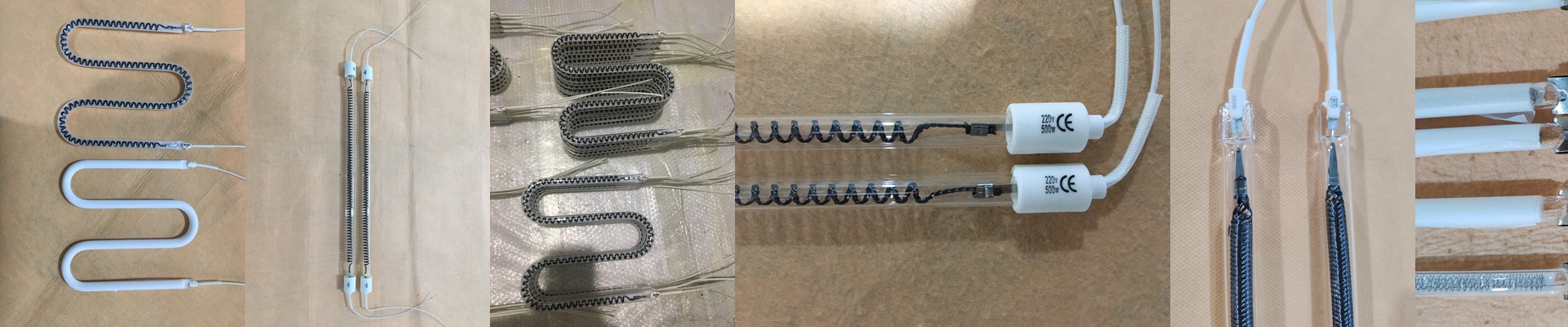
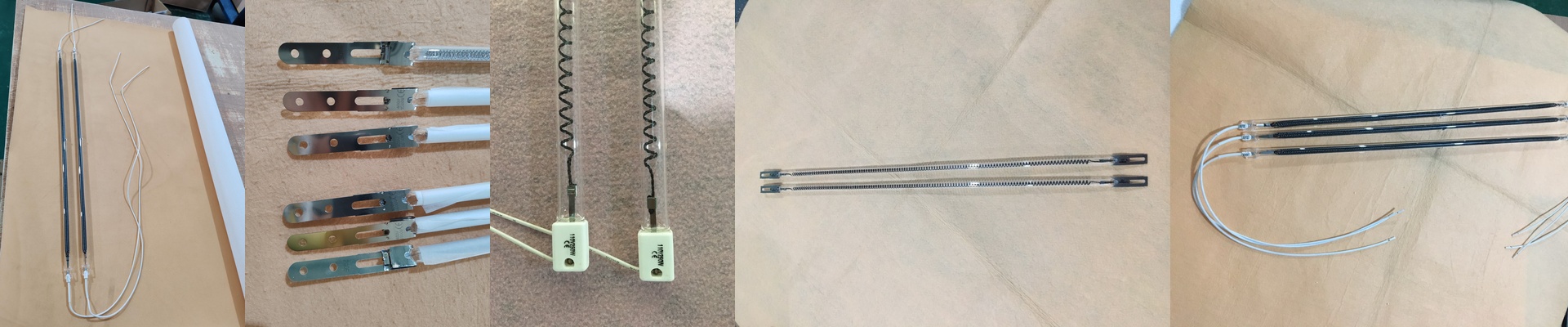
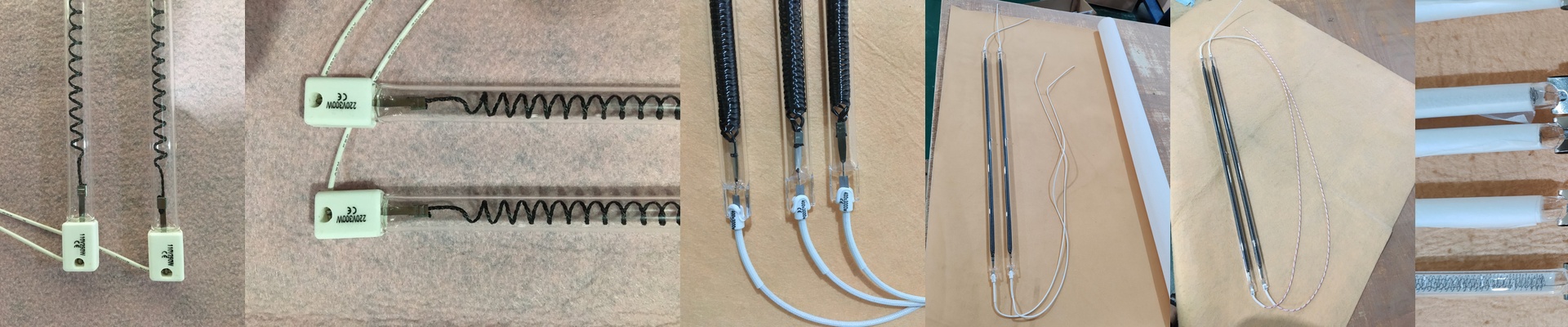
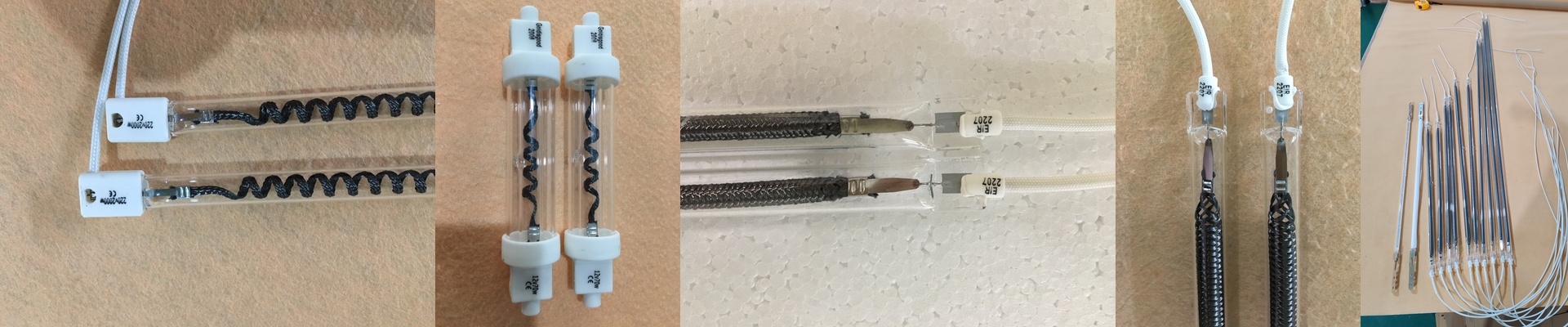
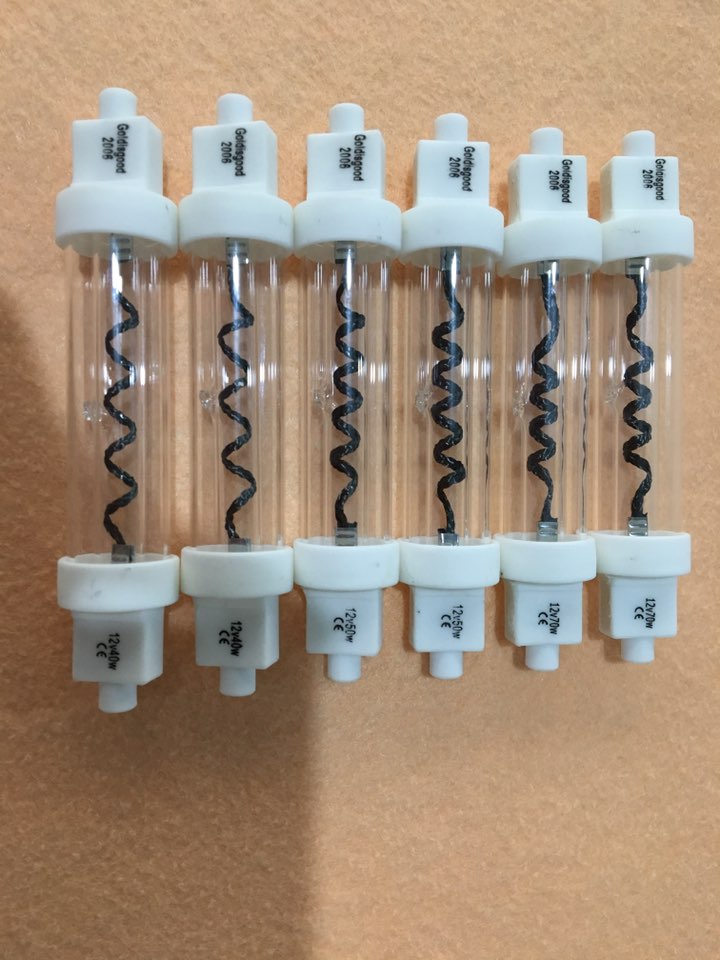
Let’s talk about heat lamps. Most people just see a glowing tube, but if you’re running a pizza oven or a warming station, the kind of heat you’re using actually matters. We use carbon fiber heating elements because they do something quartz lamps just can’t. They blast out shortwave infrared energy. In plain English? The heat sinks deep into the dough and the toppings almost instantly. You get a hot, melted pizza without that annoying burnt crust on top. The power side of things These lamps are built for speed. We’re talking about going from cold to scorching in a matter of seconds. It keeps the surface temperature steady across the whole pie, which is exactly what you want. But here’s the thing: all that power doesn’t come for free. If you’re installing a bunch of these in one array, keep an eye on your wiring. They pull a lot of current when they first kick on, and if your breakers aren’t up to the task, you’ll be spending your Friday night resetting the power box. What’s actually inside? Inside a high-purity quartz tube, there’s a carbon fiber filament. We use quartz because it basically lets the infrared rays slide right through without getting in the way. The ends are sealed tight to keep air out. If oxygen gets in there, the filament burns out. And unlike those old tungsten wires that snap if you turn them on and off too many times, carbon fiber can take a beating. It handles the “thermal shock” of a busy kitchen without quitting on you. A few things to watch out for The best part? These usually slide right into the spots where old halogen heaters used to live. They’re smaller and they react way faster. But there is a trade-off. Because they’re so intense, the oven chassis around them is going to get hot. Really hot. Make sure your fans and vents are actually doing their job. If the air around the tube gets too stifling, those seals can fail early. Just keep the air moving, and you’re golden.