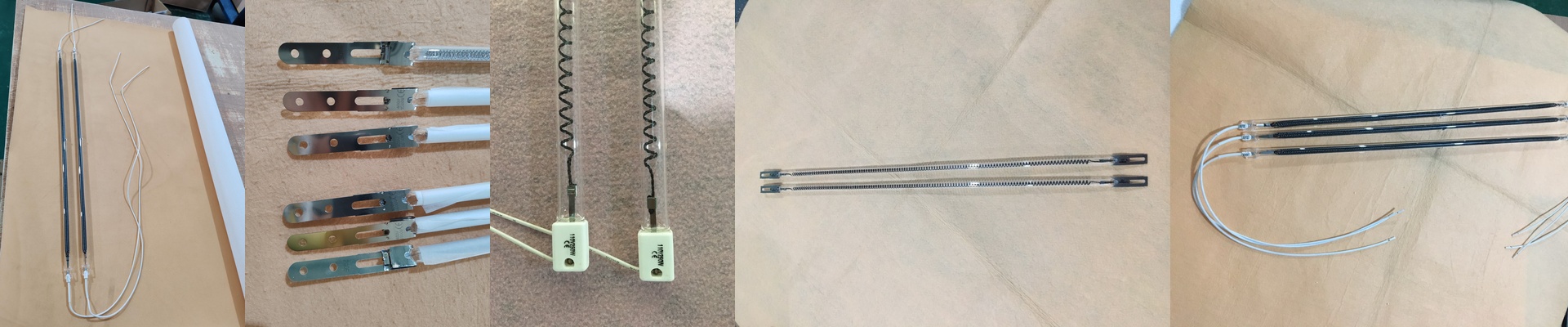
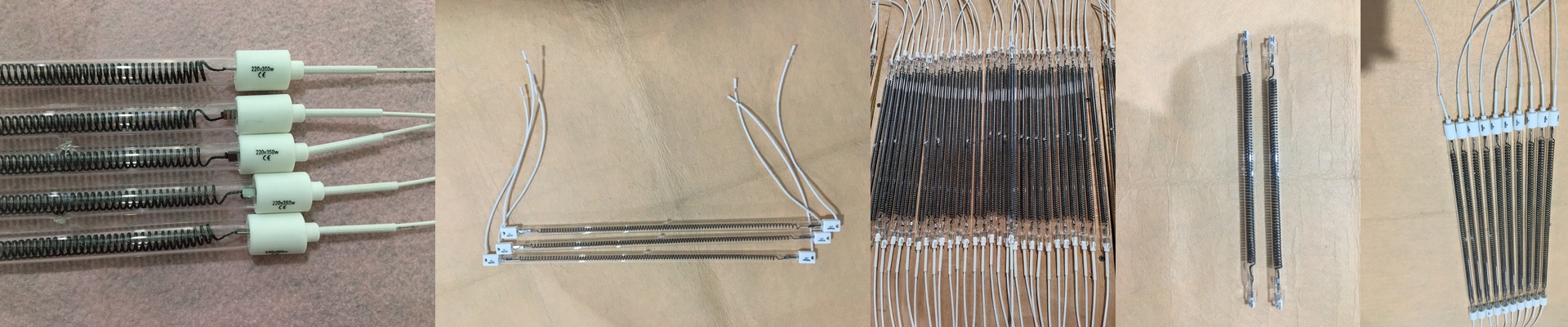
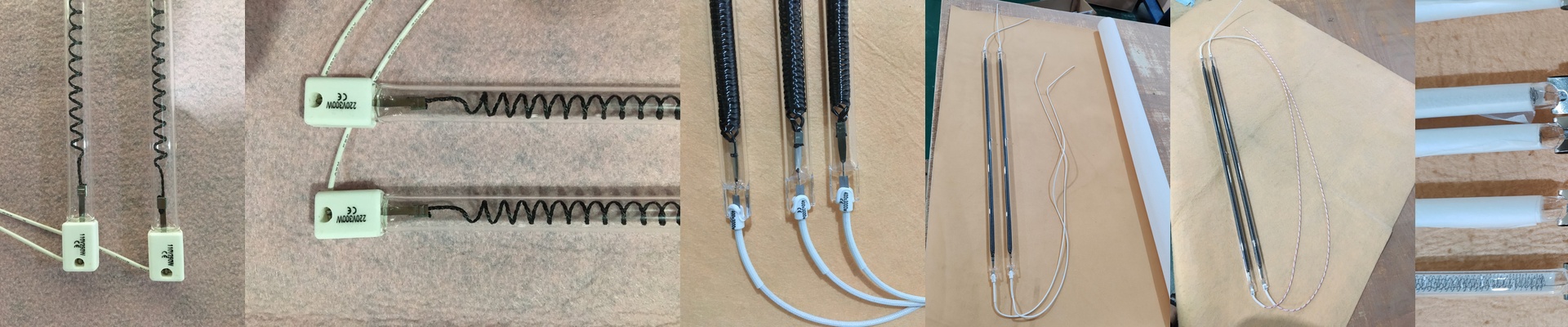
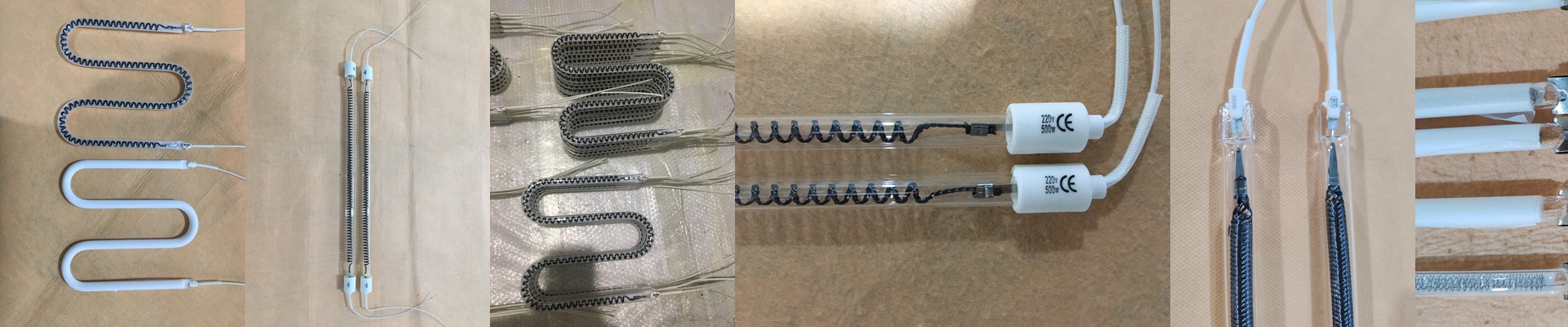
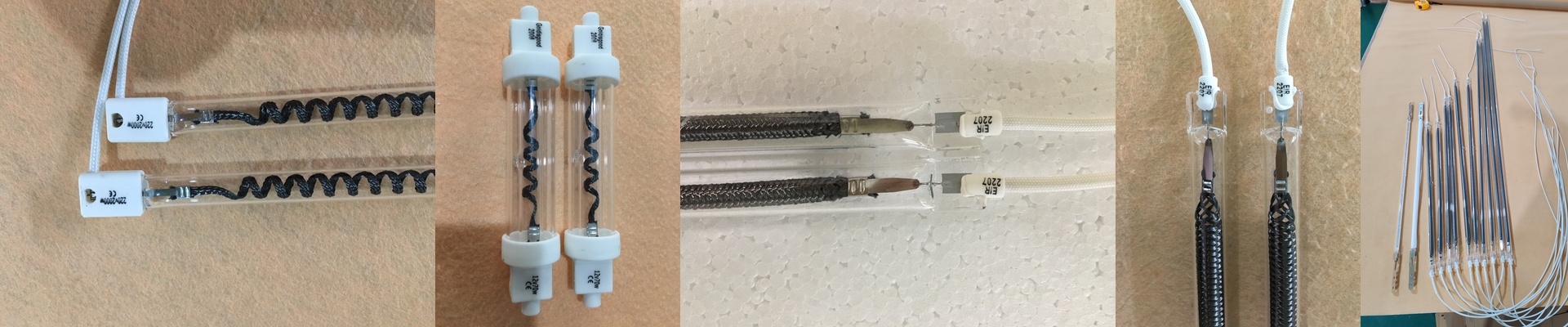

Let’s talk about Carbon Quartz Heating
Ever used those old-school metal coil heaters? They’re fine, but they have their limits. We do things a bit differently. We use a carbon fiber filament tucked inside high-purity quartz glass. The big win here is the heat. It doesn’t just clump in one spot; it spreads evenly across the whole tube. And it gets hotfast. Like, really fast.
Getting the power right
Here is the thing about wattage and voltage: they control the “punch” of the heat. If you cram a lot of wattage into a small tube, you get an intense blast of heat right on the surface. But you have to be careful. Your power supply needs to play nice with the tube’s resistance, or you’ll burn it out before you even get started. Also, since these things get so hot so quickly, make sure your housing has enough breathing room. You don’t want your cooling system struggling just to keep up with the ambient heat.
The build quality
We use quartz glass because it doesn’t freak out when the temperature jumps. It lets the infrared radiation slide right through without soaking it up. We also put a lot of focus on the end-cap seals. If air leaks in, the carbon filament oxidizes and dies. Simple as that. One quick tip:**make sure your connections are tight.**A loose wire creates a hotspot, and a hotspot can crack the quartz. Not a fun day for anyone.
Putting them to work
If you’re running an old setup, these usually slide right in where your old infrared heaters were. They’re a huge step up from ceramic heaters—mostly because they react almost instantly. They’re a lifesaver for things like PET blowing, drying, or curing. Basically, any job where you need to hit a specific temperature in a matter of seconds. Just a heads-up: carbon filaments are a bit delicate. They can’t take a beating. If your assembly line shakes or vibrates a lot, those filaments can snap. Use some dampened mounts to keep things steady, and your heaters will last a whole lot longer.