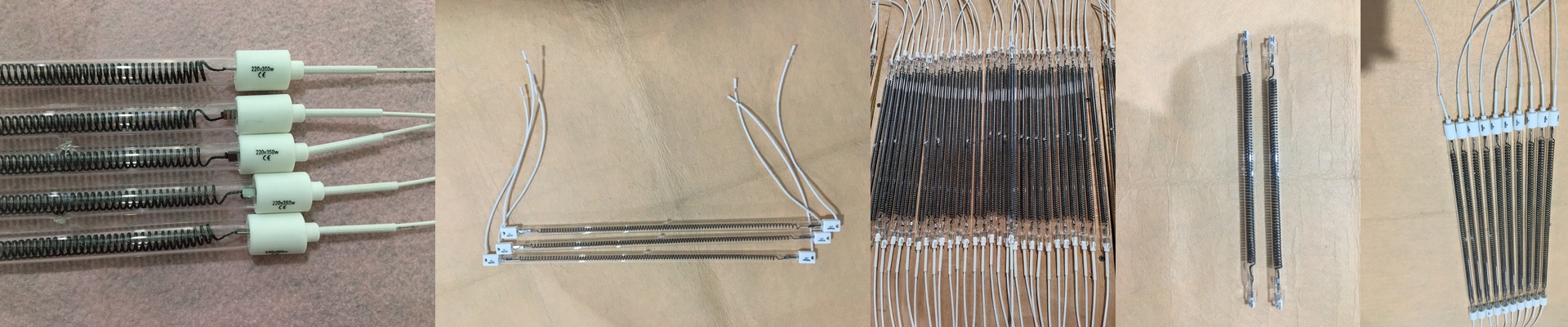
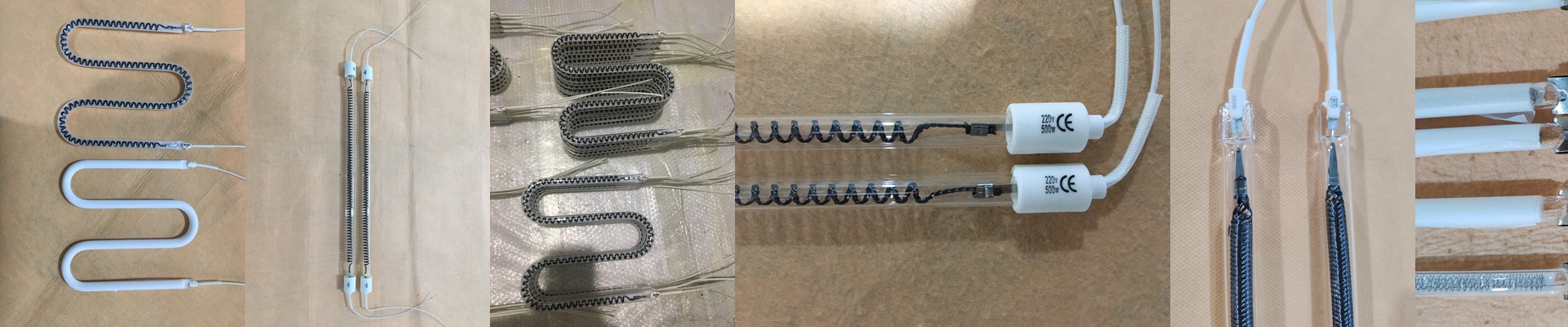
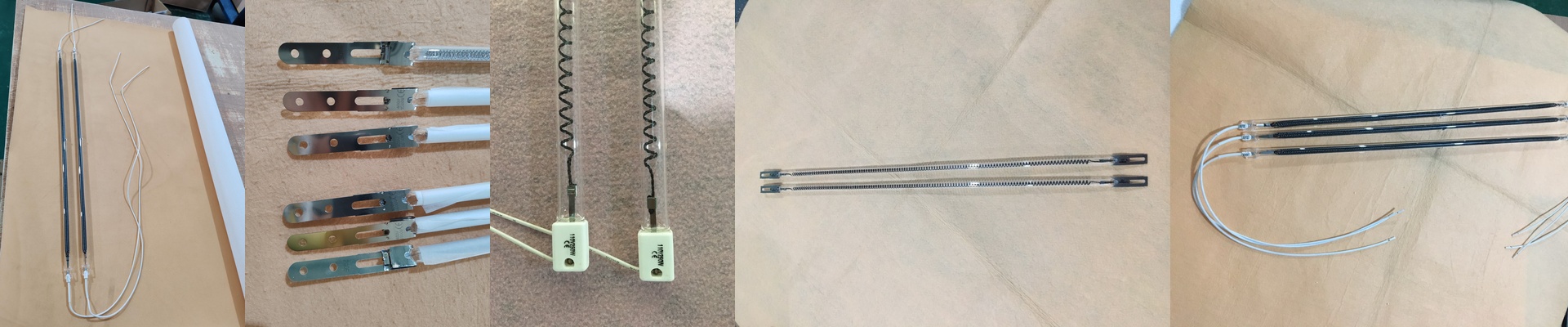
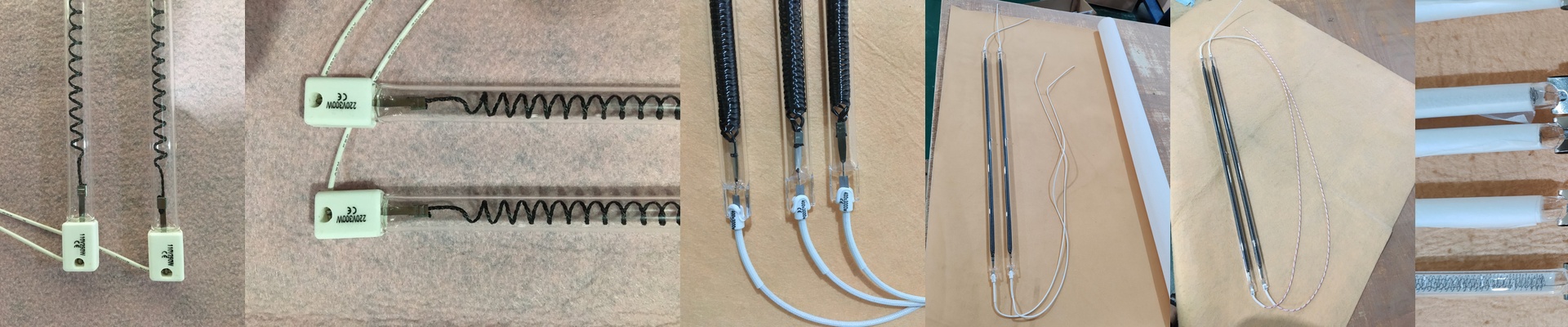
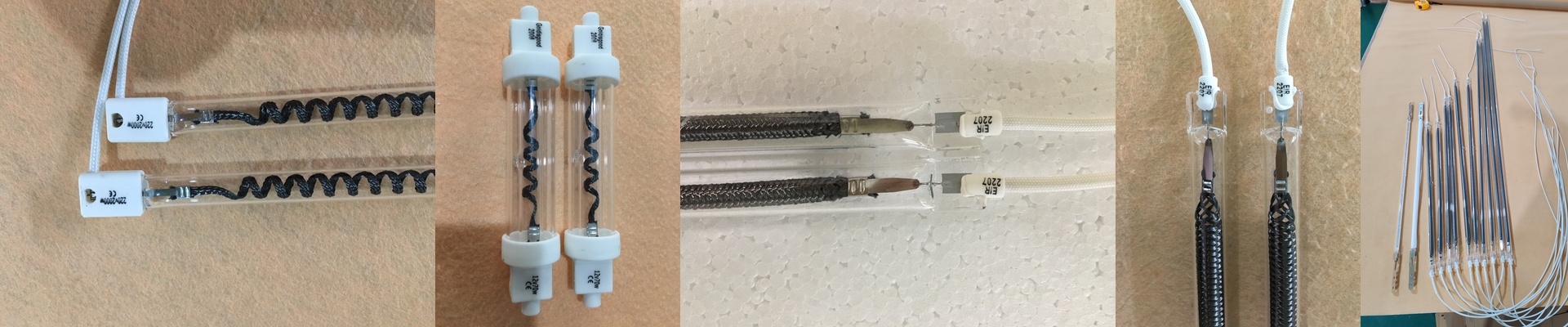

A Look at the SK15 Carbon Fiber Quartz Heater
When we sat down to build the SK15, we had one goal: make something that gets hot, and gets hot fast. If you’re dealing with high-intensity infrared heating, you know the drill. You can’t afford to wait around for a lamp to warm up. This unit clocks in at 1500W over a 550mm length and runs on 220V. We tucked a carbon fiber filament inside a high-purity quartz tube to make sure the heat stays concentrated right where you need it. The nitty-gritty on power 1500W packed into 550mm means the ramp-up time is incredibly quick. To keep things stable, we went with the SK15 connector. Why? Because in a loud, vibrating industrial environment, the last thing you want is a connection that wiggles loose. Just a heads-up: since this pulls a lot of power, double-check your wiring gauge. You don’t want your terminals overheating because the wires are too thin. Why carbon fiber? Most people are used to tungsten filaments, but those tend to burn out when you’re constantly switching them on and off. Carbon fiber is just tougher. It handles the stress of expanding and contracting way better. Plus, that quartz envelope does a great job of protecting the filament from the air while letting the short-wave infrared radiation fly right through. Instead of the heat getting trapped in the glass, it hits your workpiece. It’s more efficient, plain and simple. Using it in the real world You’ll mostly see these in PET blowing, plastic welding, or drying lines. If you’ve got an old IR array that’s seen better days, these are pretty easy to swap in. The fast response time usually means your whole cycle finishes quicker. But, there are a couple of things to watch out for. First, the quartz is fragile.**Do not touch the glass with your bare hands.**The oils from your skin can create little hot spots that actually crack the tube once it heats up. Grab some gloves before you install it. Also, since this thing pumps out a massive amount of heat in a small space, take a look at your reflectors. You’ll want to make sure you’re directing that heat at the product, not at your machine frame.