Stop the Drift: Getting Your Brake Pad Curing Right
If you’re running a brake pad line 24/7, you know the nightmare of thermal drift. It sounds small, but a tiny 2% dip in infrared output is enough to ruin a whole batch. Suddenly, you’re looking at a pile of scrap and a lot of wasted time. That’s exactly why we built our IR modules—to kill those power fluctuations before they hit your bottom line.
Keeping the Heat Steady
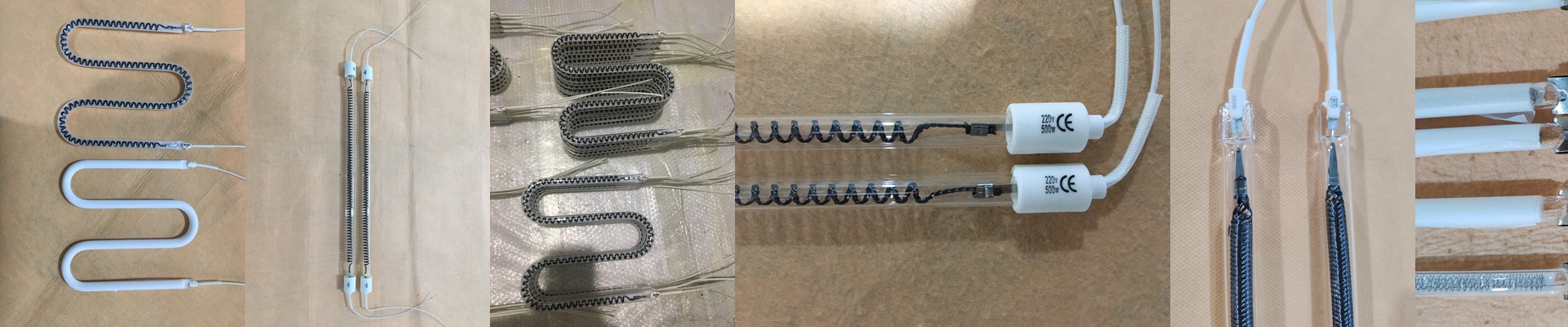
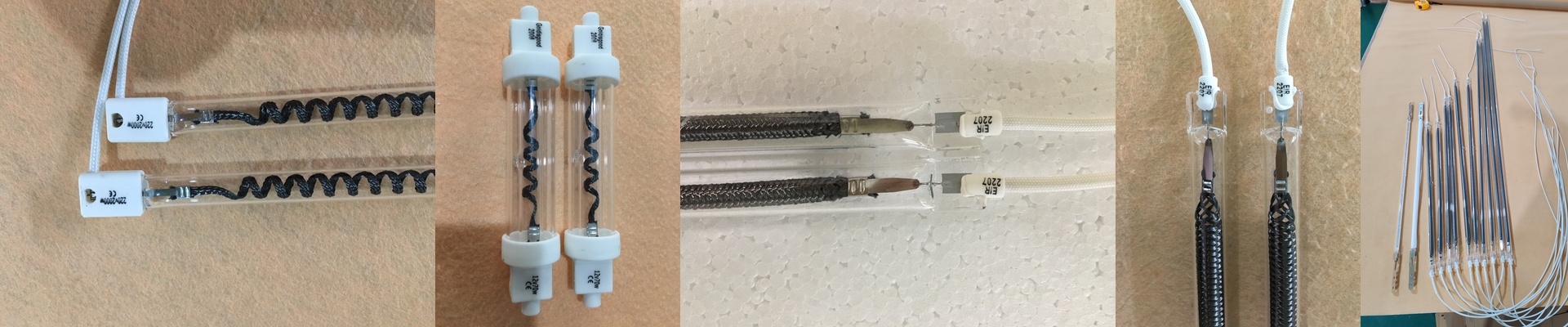
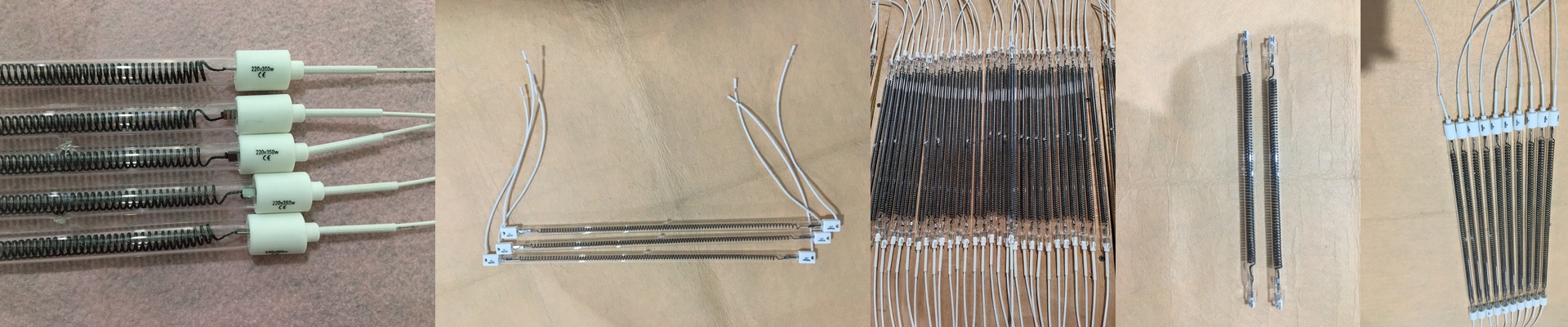
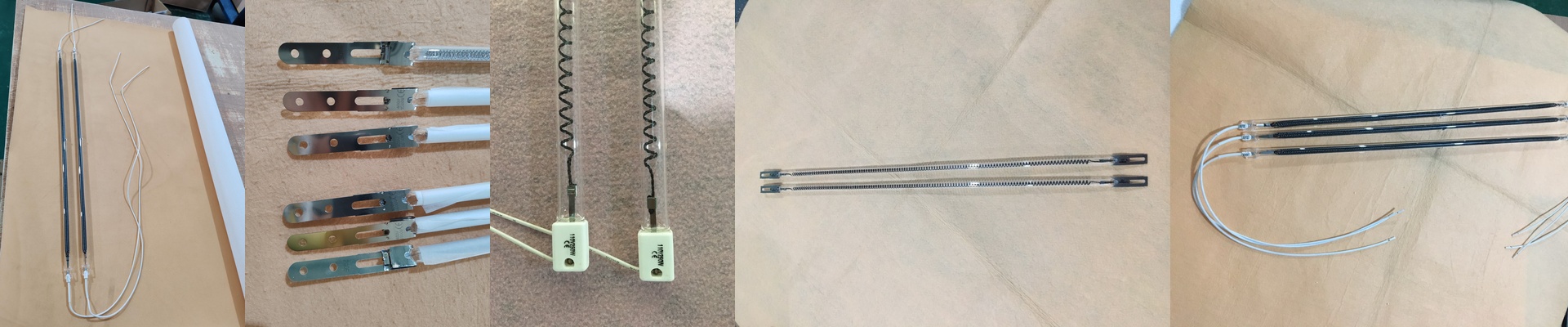
Here is the thing about hitting zero fluctuation: it all comes down to how the heating element and the power supply play together. We use heavy-duty quartz envelopes and filaments wound with precision. Why? Because “sagging” is the enemy. When a filament shifts under constant heat, your heat distribution shifts with it. We keep the tolerances tight across the entire tube so the heat hits exactly where it should. But the hardware is only half the battle. You’ve got to match your PID controllers to the actual thermal mass of the module. A high-wattage tube puts a massive load on your electrical bus. If your factory hits peak load and your voltage dips, your curing temperature drops. To stop that, we suggest using dedicated stabilized power circuits. It keeps the lamps from flickering or dipping when the rest of the plant kicks into gear.
Built for the Shop Floor, Not a Lab
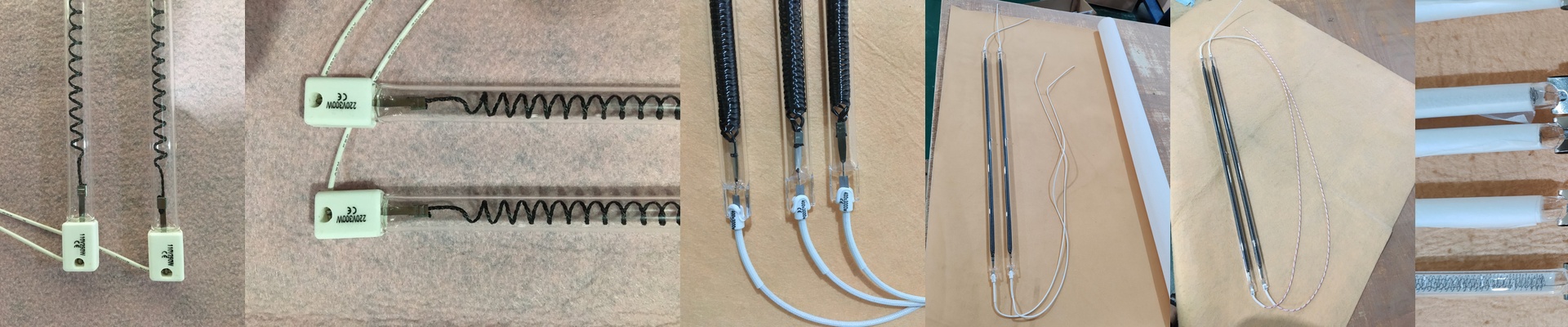
Let’s be real: a friction material plant is a dusty, gritty place. It’s not a clean room. That’s why we house our modules in reinforced casings. We also use high-temp wiring and connectors that can actually handle the heat without melting or oxidizing after a month of hard work. Now, these aren’t magic—they can still wear out. If you run them at 100% capacity forever, you’ll burn through the filaments faster. We usually suggest a staggered duty cycle or adding a redundant bank of lamps. Giving them a chance to cool down keeps the quartz from getting brittle and cracking.
Fitting Them In
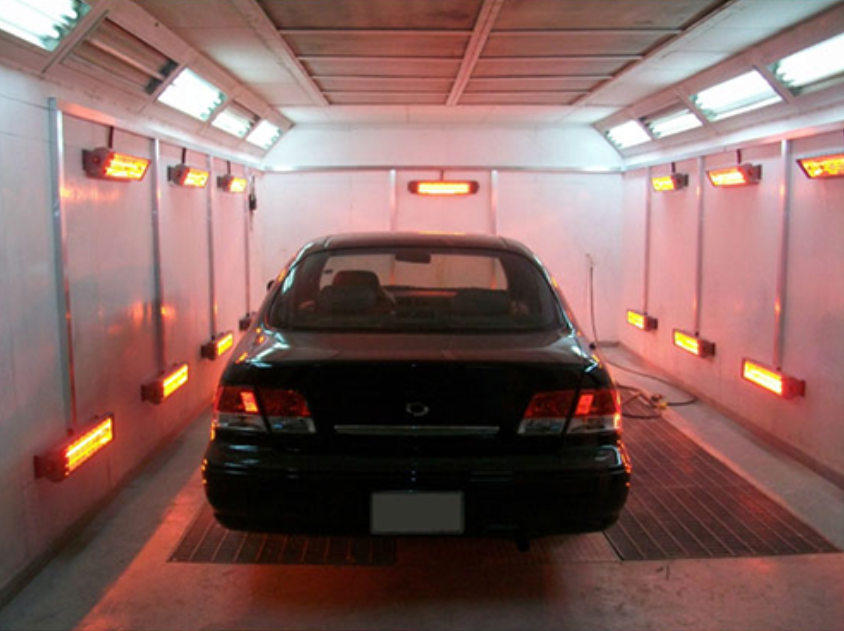
We designed these as drop-in replacements. You shouldn’t have to tear apart your conveyor frame or rebuild your layout just to get better heat. Just wire them into your existing control rack and you’re good to go. Because we kept the footprint small, you get more heat flux hitting the pad surface. The best part? You can actually shorten your curing tunnel and win back some floor space.