Stop the Squeal: A Better Way to Cure Brake Pads
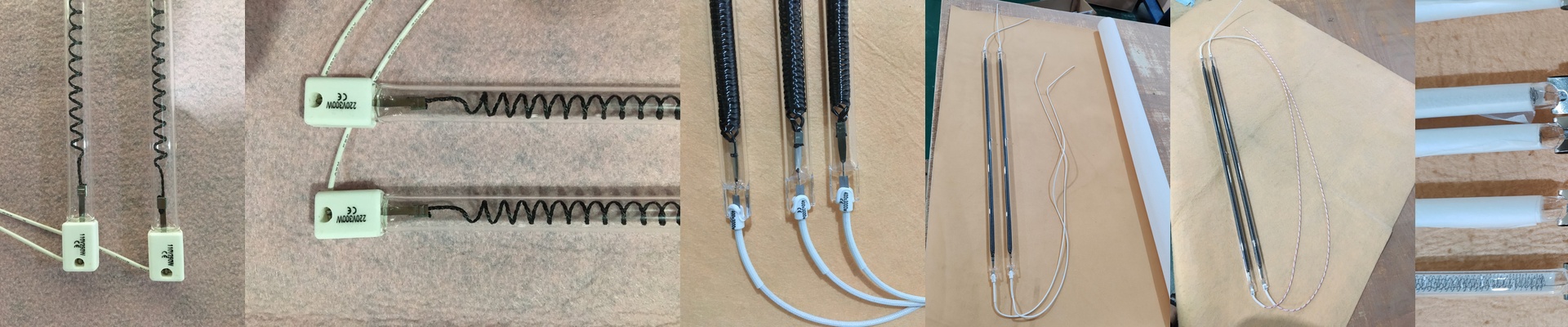
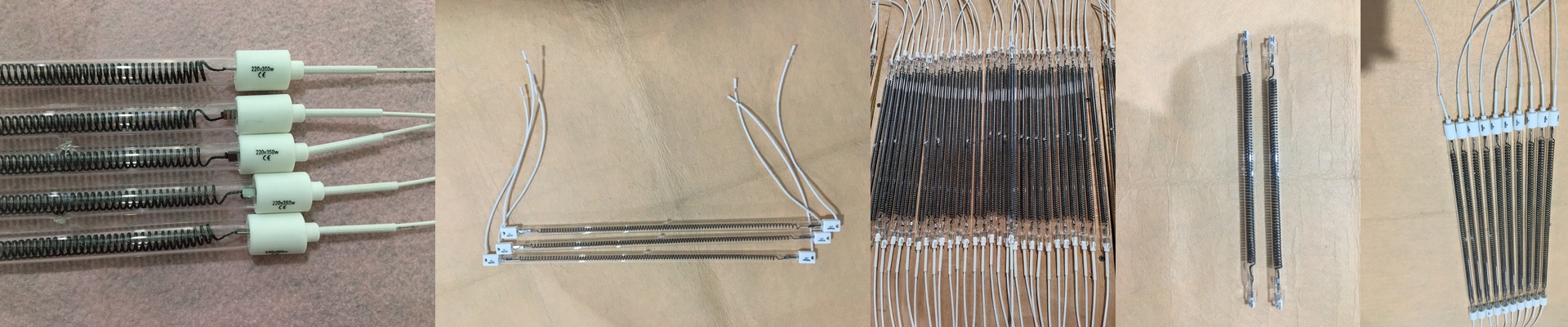
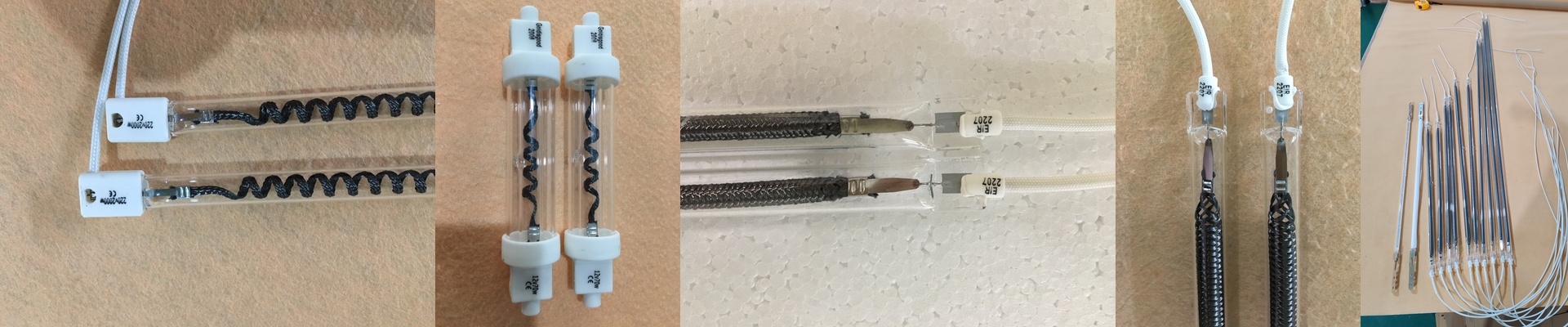
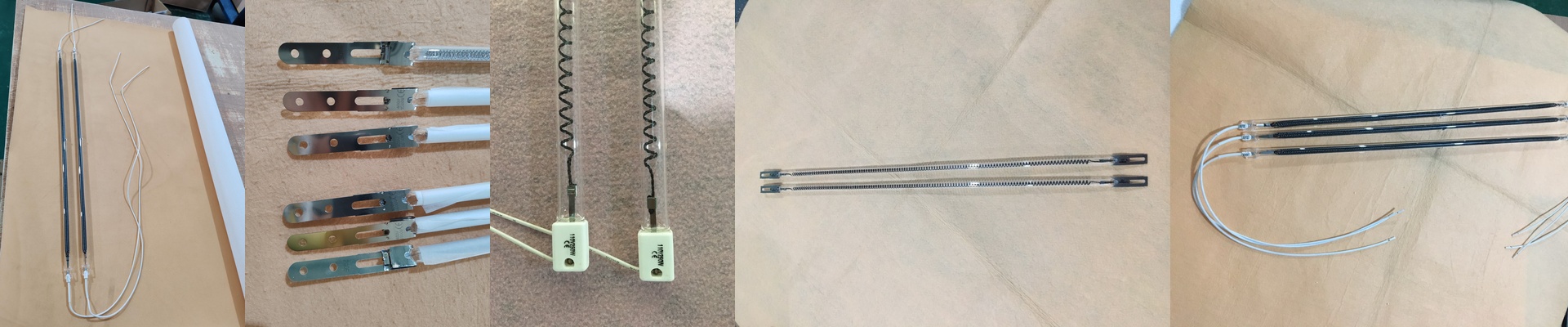
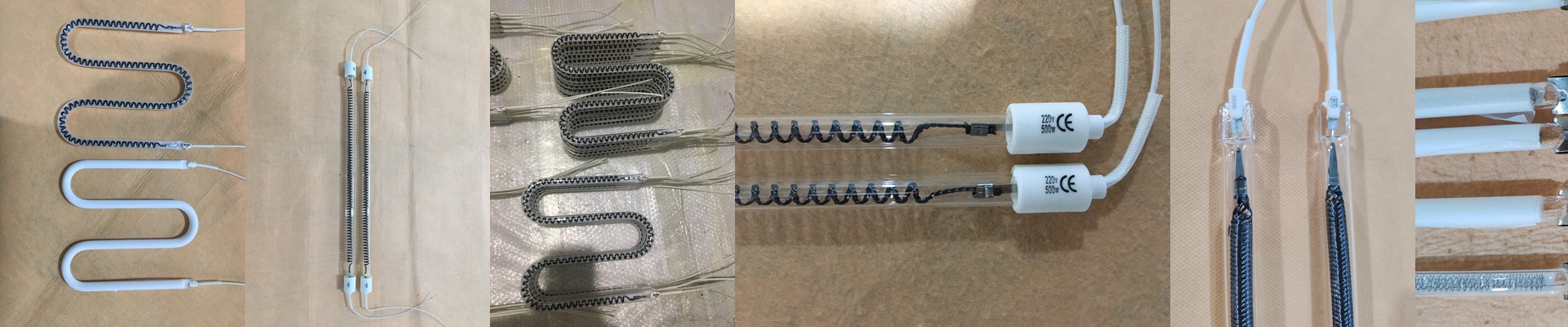
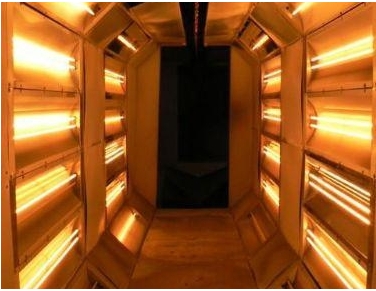
Ever wonder why some brake pads just won’t stop that annoying, high-pitched squeal? Usually, it comes down to how they were baked. When you use a standard oven, the outside of the pad hardens way faster than the inside. You end up with this weird tension inside the material—basically, a tug-of-war between the surface and the core. That imbalance creates vibrations. And those vibrations? That’s the noise your customers hate. We figured out a better way: short-wave infrared (IR) heating. Getting the heat where it actually matters Standard ovens just blow hot air around, heating things from the outside in. It’s slow and uneven. IR is different. It doesn’t care about the air; it shoots radiation straight into the friction material. Think of it as heating the whole pad at once, from the center out to the edges. Because the core and the surface cure at the same speed, you get a solid, uniform piece of material. No stress, no gaps, and—most importantly—no noise. The trick to getting it right To make this work, we use quartz-halogen lamps. They’re powerful and hit the target instantly. It’s a lot more efficient because you aren’t wasting energy trying to heat up a giant room full of air. But you have to be careful. This kind of heat is intense. If your conveyor belt moves too slowly or the lamps are sitting too low, you’ll scorch the surface and burn the resin. It’s a balancing act. You have to dial in the distance and the speed just right. Putting it to work on your floor The best part is that you don’t have to tear down your whole factory. These systems are designed to slide right into the spot where your old gas tunnels used to be. We pair them with a PID controller and a thermocouple to keep a hawk-eye on the temperature. We keep things within a tight $5^\circ\text{C}$ window. When the heat is that consistent, the friction is consistent. Your pads come out perfect every time, and your phone stops ringing with complaints about squeaky brakes.