Getting the Heat Right: Why Vertical Distribution Matters in IR Walls
If you’ve ever run a brake pad curing or paint drying line, you know the struggle. You set up your heating wall, but you still end up with cold spots in some areas and scorched edges in others. It’s frustrating. The problem is usually simple: the gap. When you switch from a tiny passenger car pad to a massive truck pad, the distance between the IR emitters and the part changes. That shift messes with your heat flux, and suddenly your quality control is a nightmare.
Matching the Heat to the Part
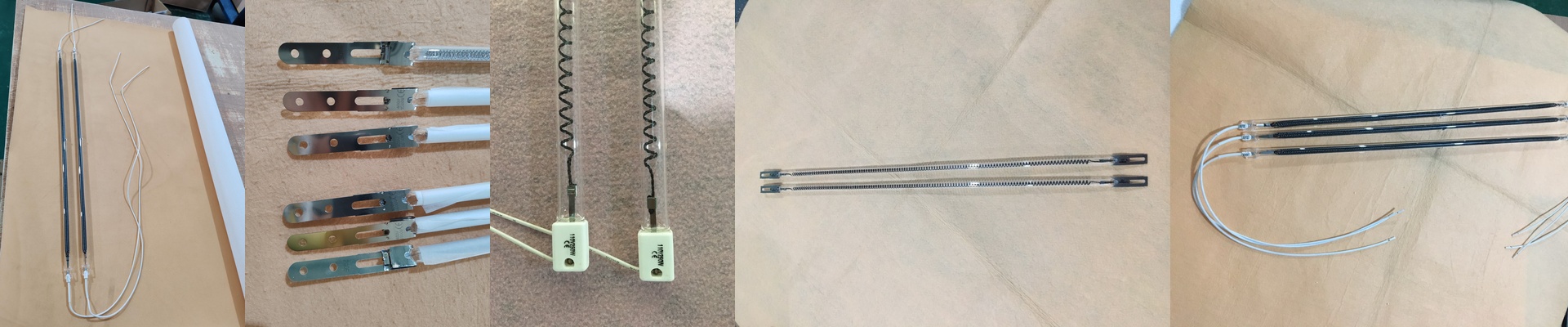
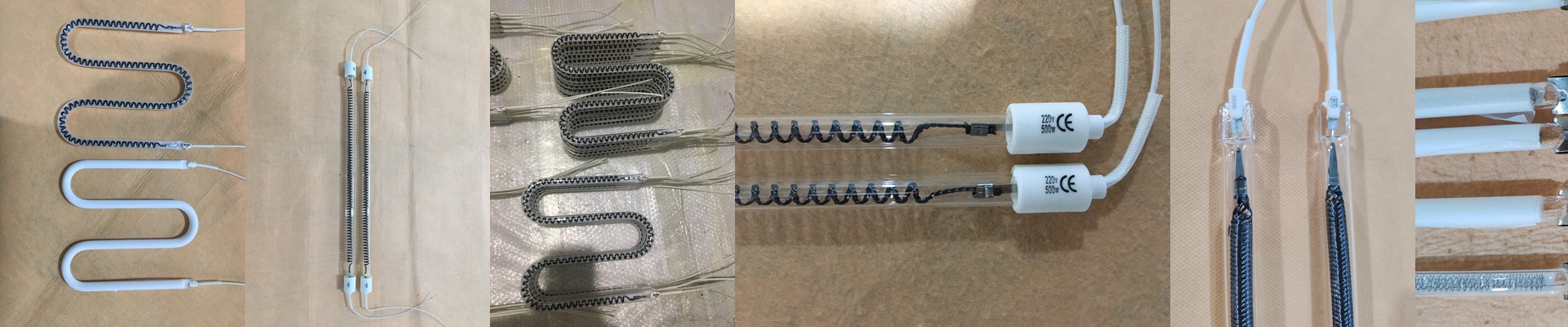
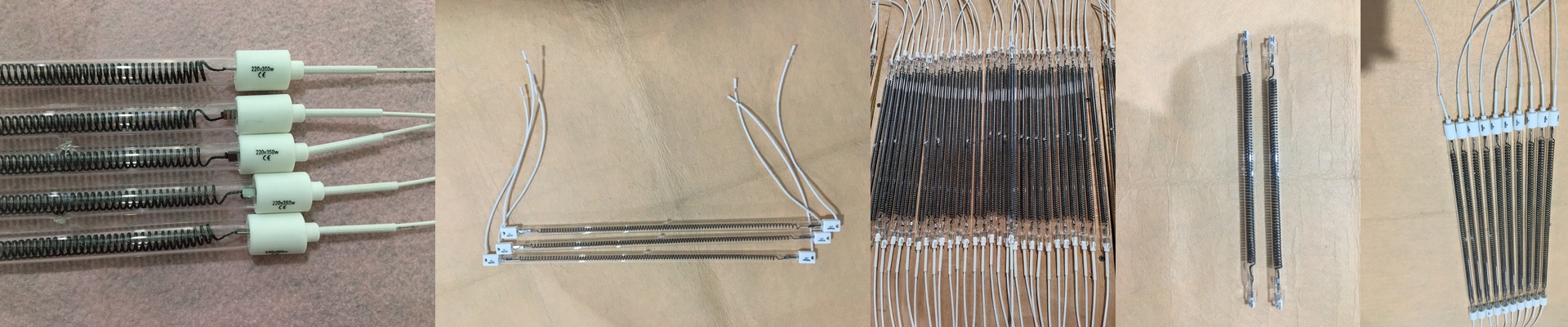
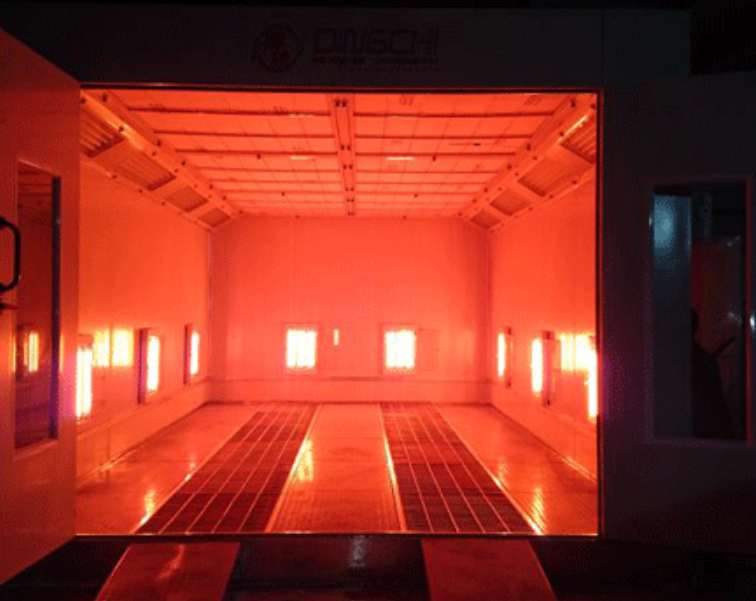
We don’t believe in one-size-fits-all. Instead, we look at the height of the part you’re actually drying and build the heating wall around it. For those big truck pads, you need a dense wall of shortwave lamps covering the whole vertical plane. But for smaller pads? You don’t want to waste energy heating the empty air above and below the part. We concentrate the emitters right in the center where they actually do the work. But you have to be careful with the spacing. If the lamps are too close, you’ll start overheating your conveyor rails. Too far apart, and you get “striping”—those annoying gaps where the coating doesn’t cure because the IR waves didn’t overlap. It’s all about finding that sweet spot.
The Hardware Side of Things
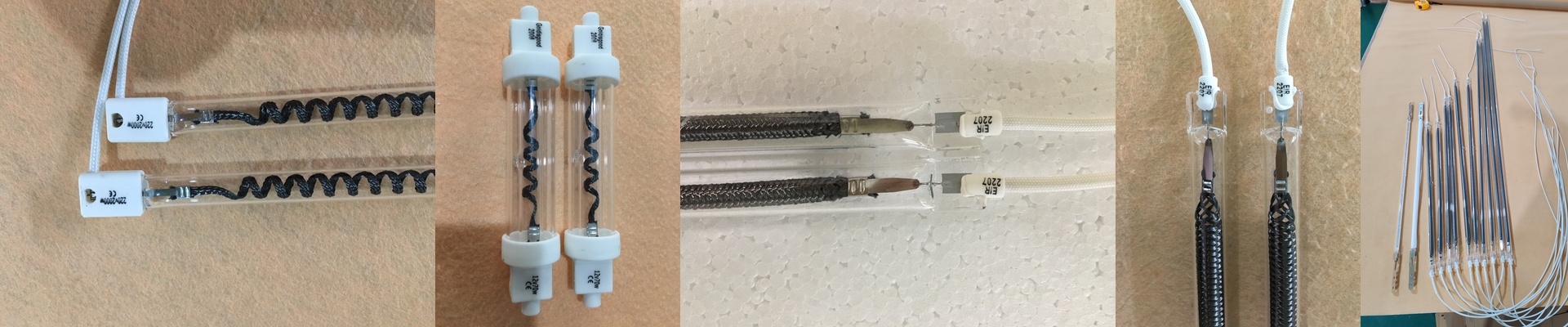
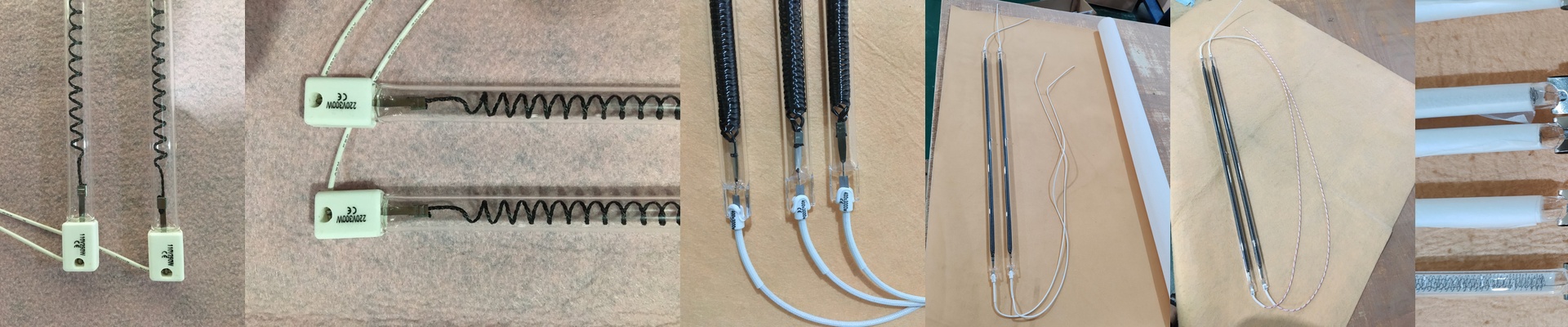
We stick with quartz halogen tubes. Shortwave IR is the way to go here because it punches through the coating fast. Depending on what your power grid can handle, we set these up for 230V or 400V. Now, high-wattage tubes are great for fast cycle times. They get the job done quickly. But there’s a catch. These high-density arrays put out a massive amount of ambient heat. If your ventilation isn’t strong enough to pull that hot air out, your control panel electronics are going to cook. It’s a common mistake, and it’s an expensive one.
Making Life Easier on the Floor
Nobody wants to spend their afternoon rewiring a wall just because one tube burned out. That’s why we use standardized connectors. If a lamp goes, you just pop it out and drop in a new one. Simple. We also suggest using a modular rack system. It’s a huge help for the operators. Instead of a permanent fixture, you can just slide the heating banks up or down to match the chassis height of whatever vehicle model is running on the line that shift. It just makes the whole process feel less like a fight with the machinery and more like a smooth workflow.