Infrared Halogen Heaters: The Secret to Nailing Carbon Fiber Curing
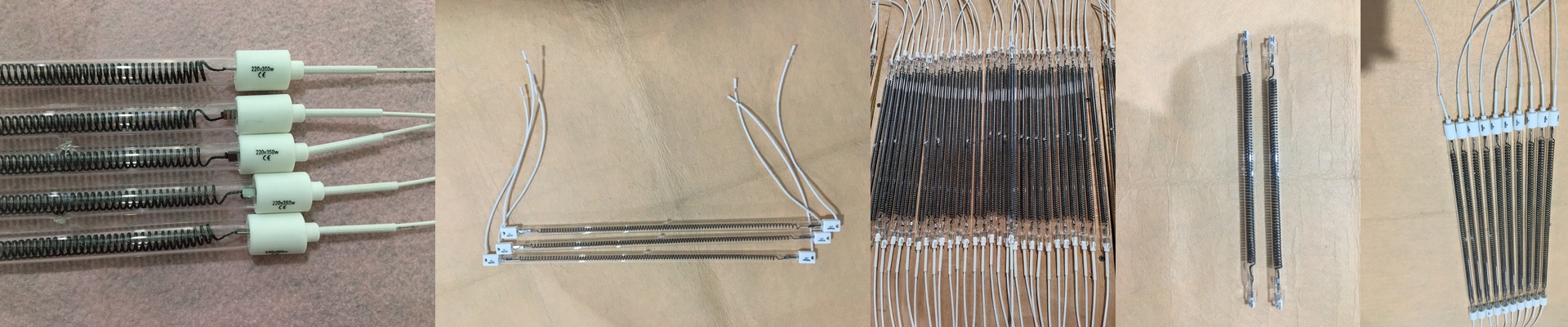
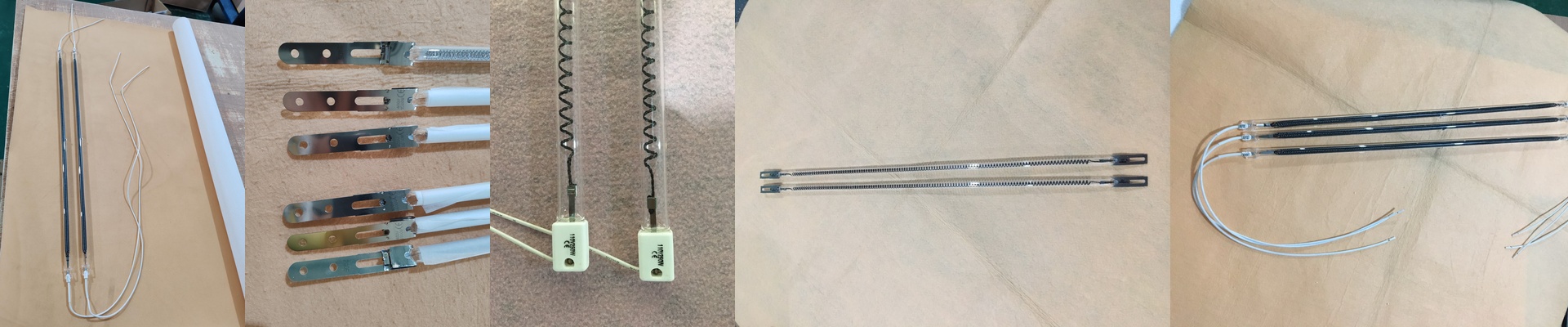
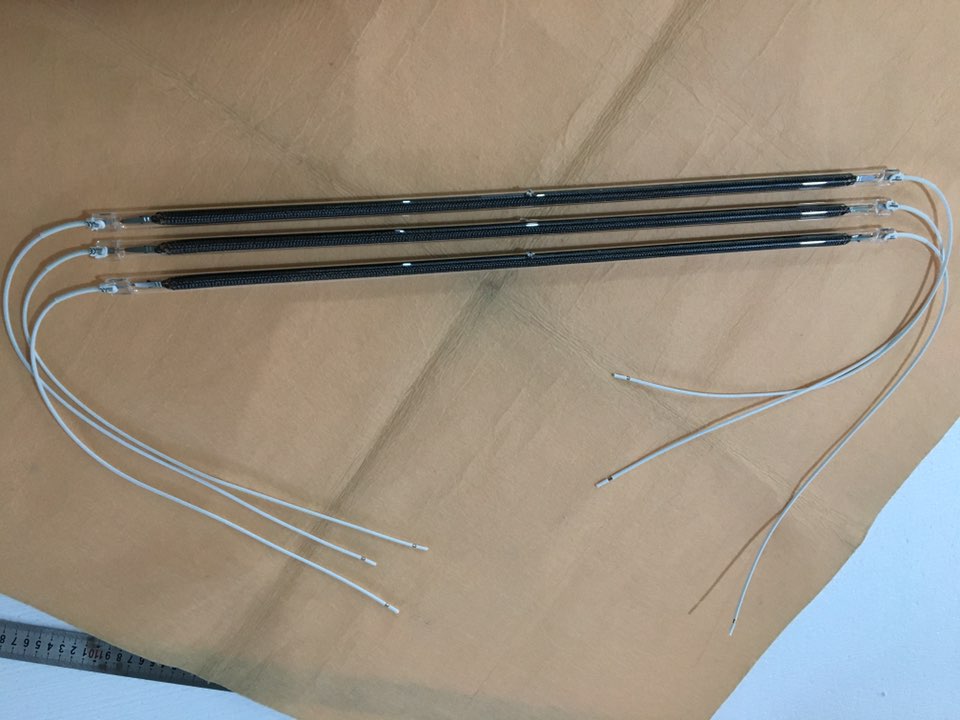
We build industrial infrared heaters specifically for curing carbon fiber composites. These aren’t just any old lamps. They’re purpose-built machines, designed to pack a serious punch of heat with repeatable, precise control—the kind you need when you’re running a real production line.
Power, Voltage, and Geometry—What Actually Matters
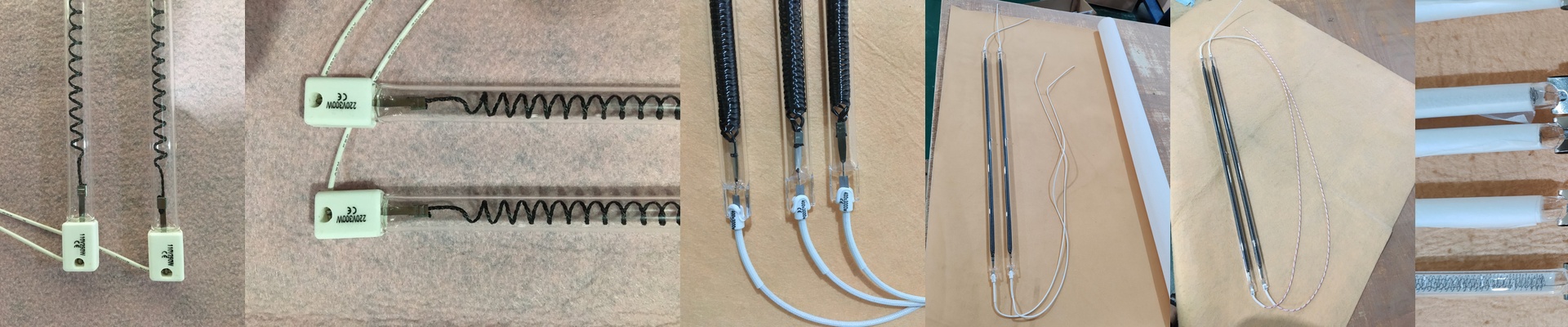
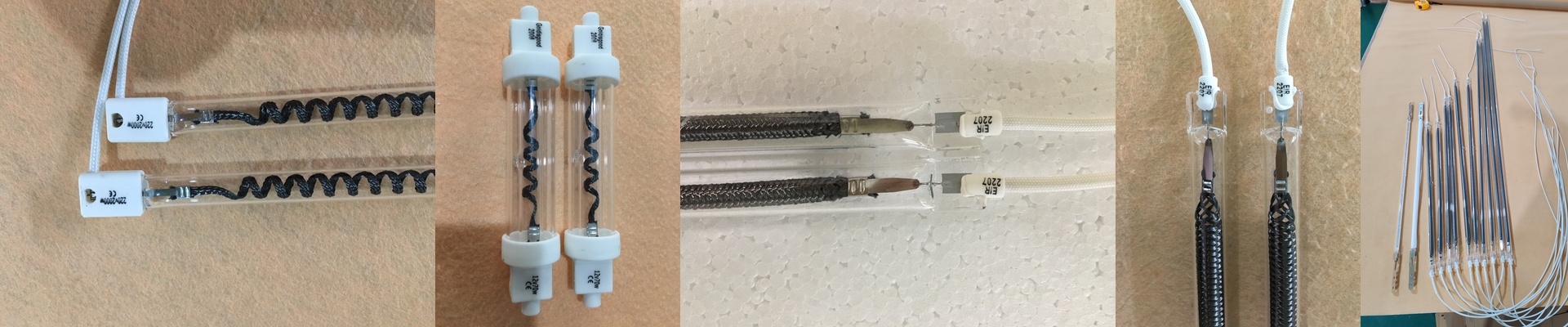
When we talk about infrared heaters for carbon fiber, we’re talking about halogen infrared tubes with tight dimensional control. You’ll typically see them in 300mm and 500mm lengths, so you can match the heater footprint to your oven and the shape of the part you’re curing. Power is sized to the job. For example, a 2500W output at either 230V or 400V gives you the heat flux needed to ramp up temperature fast on carbon fiber layups. And that 400V option? It’s not an accident. It lowers the current draw for the same power. Less current means smaller wiring, less voltage drop over long runs, and less heat building up at the terminals. It’s a trade-off: you get more heat density in a compact tube, which means your oven’s cooling and airflow need to be properly planned to manage the ambient temperature.
Inside the Heaters: Halogen, Quartz, and the Right Connections
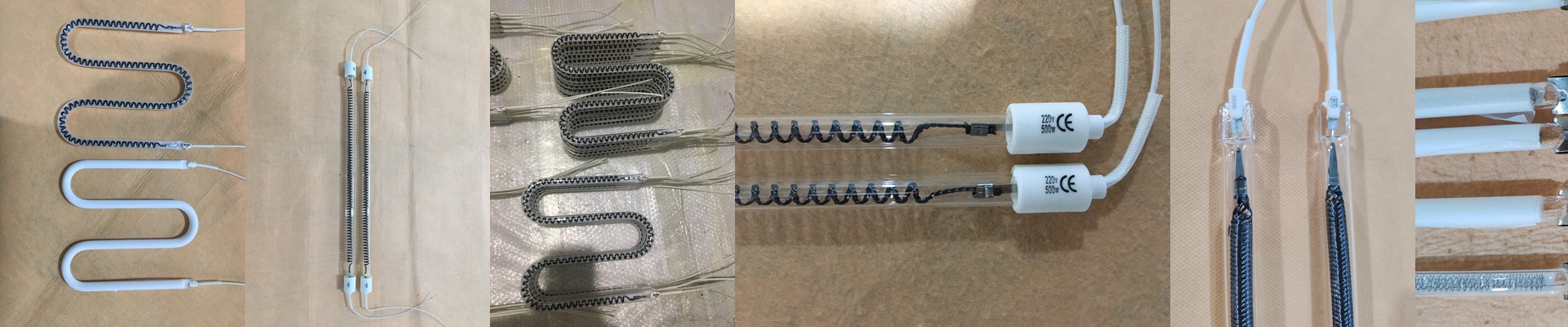
At the heart of these heaters is a halogen-filled quartz envelope. The halogen chemistry keeps the filament stable at high temperatures, which means a steady output and a longer life compared to basic incandescent elements. The quartz tube can handle thermal shock, so you get consistent performance even through repeated on/off cycles. Many of these units run as shortwave infrared heaters, focusing energy in the near-infrared band for fast, direct heating. A reflective coating on the tube helps push that energy forward, cutting down wasted heat and giving you better temperature uniformity across the target area. And the connectors? We choose what works in the real world. The R7s base is a common, tough fit for tubular infrared lamps, giving you solid contact and easy installation. For applications that need it, we spec SK15 terminals—built to hold up in high-temperature oven environments.
Curing Carbon Fiber: Fast, Controlled, and Production-Ready
Carbon fiber curing needs heat that’s both fast and controllable. You have to activate the resin without overshooting. Infrared ovens using these halogen heaters respond quickly and let you control zones precisely, which means consistent part quality and shorter cycle times. We design these heaters to drop right in, so you can upgrade without tearing your whole line apart. Their compact tube footprint allows for dense arrays, giving you even coverage across large molds. But here’s the catch: that high heat density means you need a cooling and airflow plan that matches the output. Get the airflow right, and you’ll see repeatable cure profiles with far less scrap.