Introduction
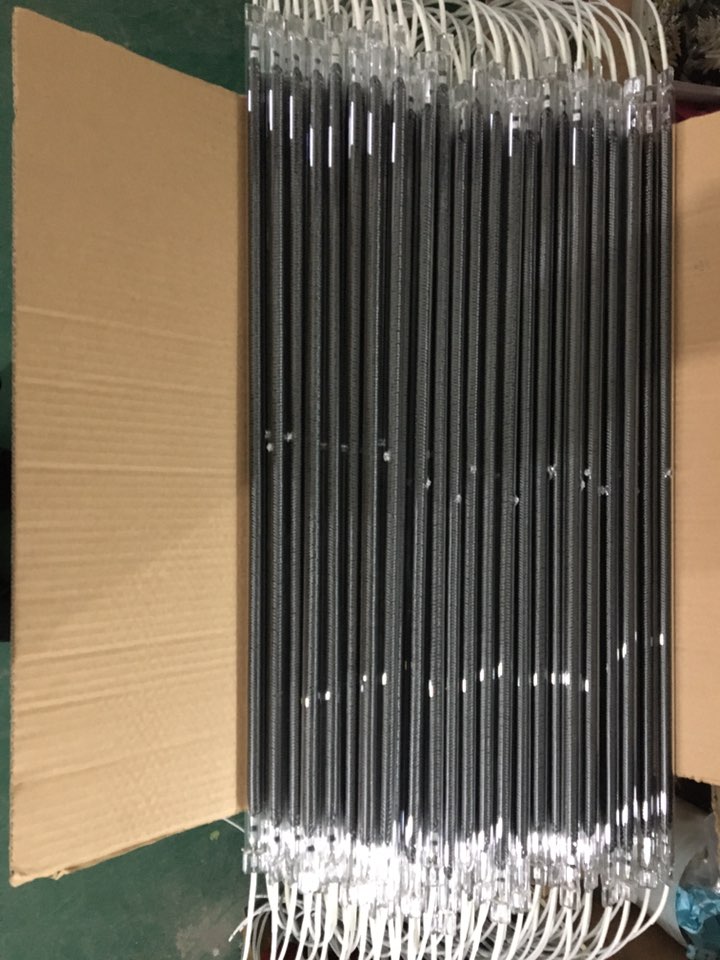
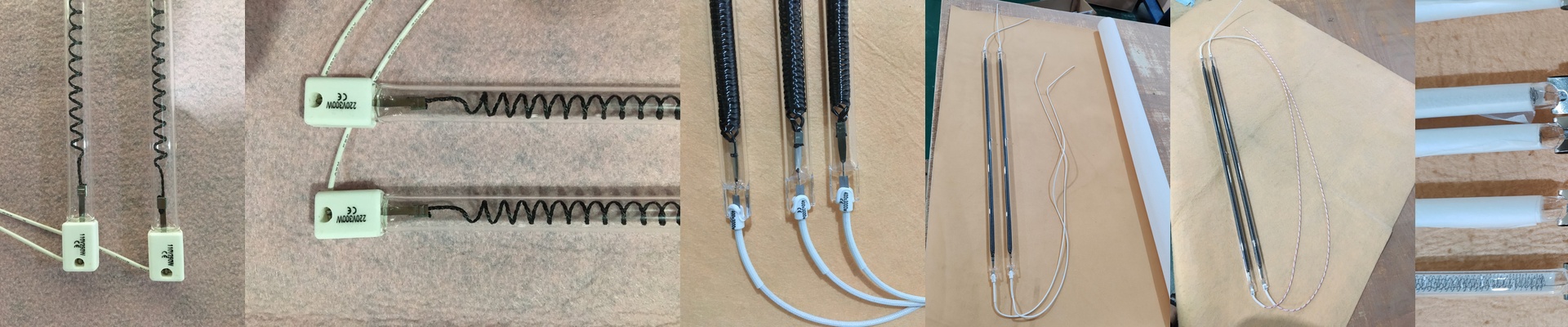
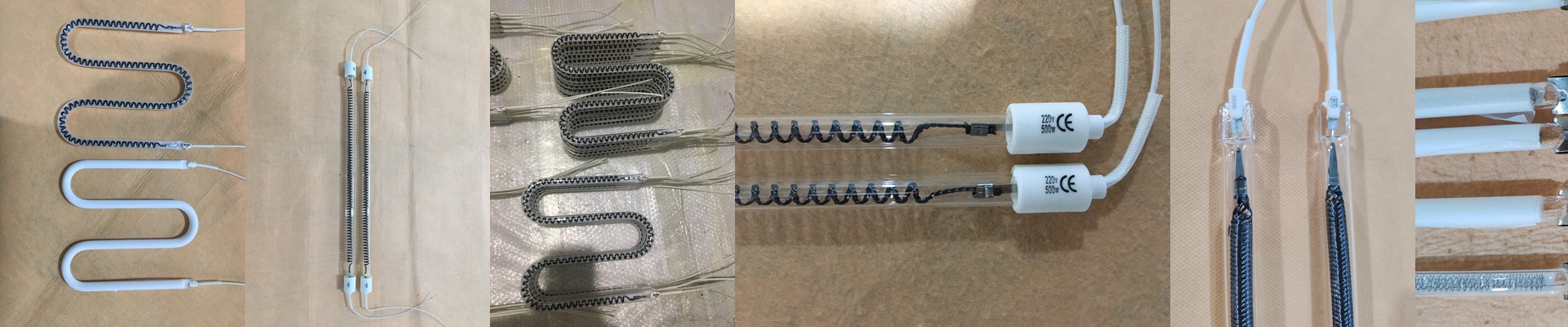
We built this IR carbon fiber heating lamp to be a straight-up, no-nonsense answer for industrial machines. It steps in where standard halogen heaters fall short—when you need serious heat packed into a tight space. It gets right to the point. Heat, right where you need it, fast. No wasted space. No wasted energy.
Power, Voltage, and Size: The Real-World Numbers
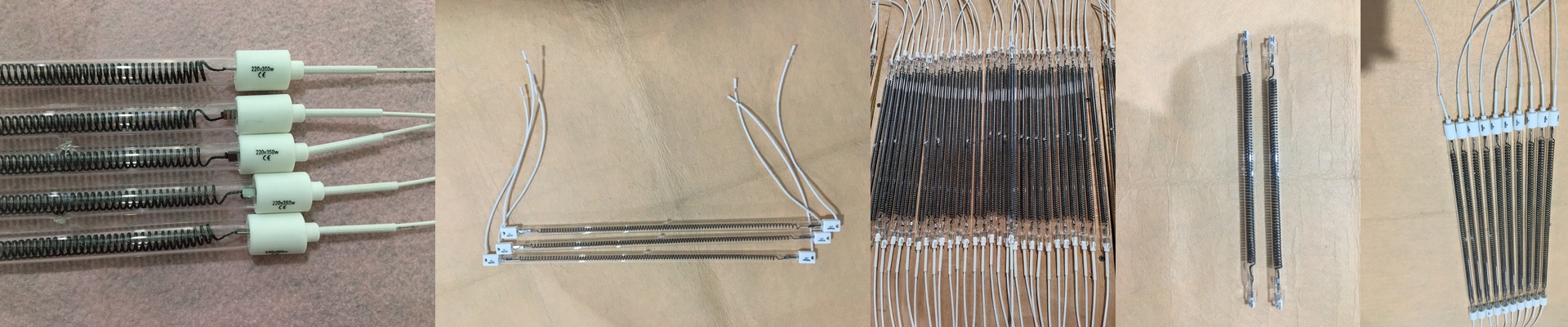
These lamps are built for the grind of industrial work. We typically run them at 400V to pack a lot of power into a short length. For example, a 300mm tube can hit 2500W. That’s a lot of heat from a small package, perfect for those cramped heating zones on blow molding, thermoforming, or laminating equipment. Here’s the neat part: high voltage lets us deliver that power without forcing too much current through the element. That means you can use smaller wiring and keep your control gear more compact. But there’s a trade-off. The machine has to be designed for proper 400V isolation, and you need to make sure the lamp holder and wiring are fully rated for the load.
The Build: Carbon Fiber, Halogen, and the R7s Base
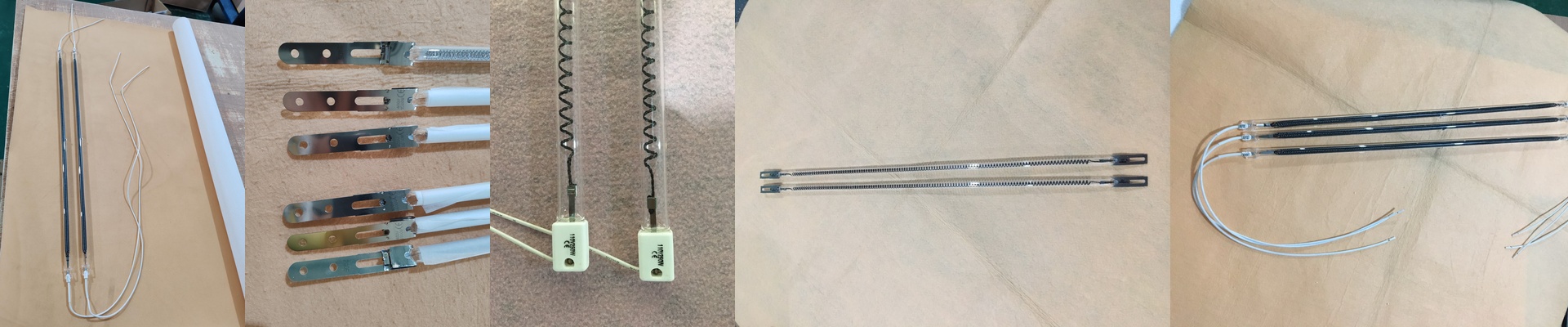
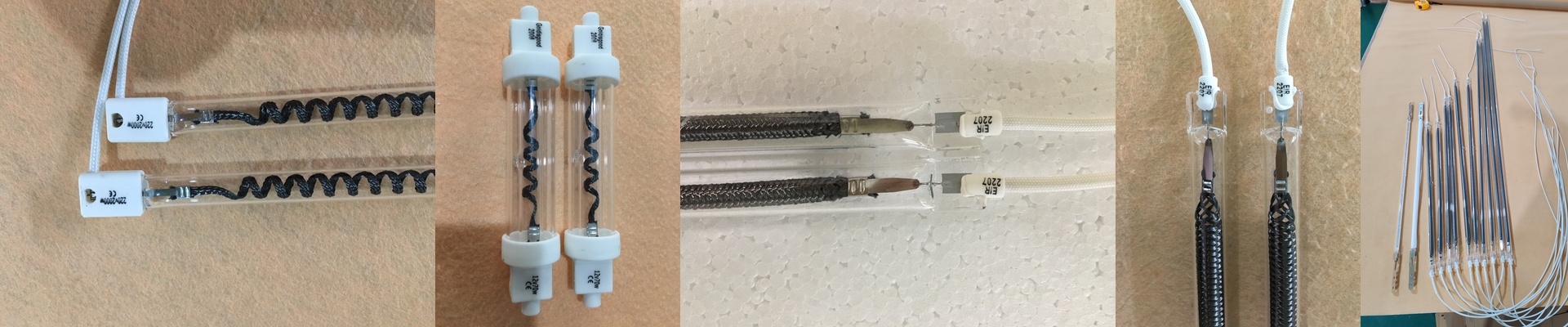
The carbon fiber filament sits inside a quartz envelope, surrounded by a halogen gas mix. That halogen cycle does the heavy lifting, keeping the filament stable and preventing the lamp from darkening over time. So the output stays steady, right through the service life. Quartz handles the shock of rapid on/off cycles way better than glass, and it lets the shortwave IR pass through cleanly. Then there’s the R7s base. It’s a straight-pin, double-ended design that gives you a solid, reliable fit and consistent contact. In many standard heater holders, it’s a straight drop-in. We also offer SK15 options if you need a different mounting setup or have to handle higher current.
Where It Shines—And What to Watch For
This setup is made for machines that need fast, focused heating. Think PET blowing, plastic welding, coating drying, and composite curing. The shortwave IR hits surfaces hard and fast, without heating up the whole frame around it. You get intense heat density, predictable output, and a footprint that stays out of the way. The catch? You have to manage the heat. At these power levels, the reflector and nearby parts need proper cooling and shielding to protect sensors and wiring. Get the lamp spec right, and get the cooling spec right. Do that, and the whole system runs reliably, day after day.