A Better Way to Keep Chicks Warm
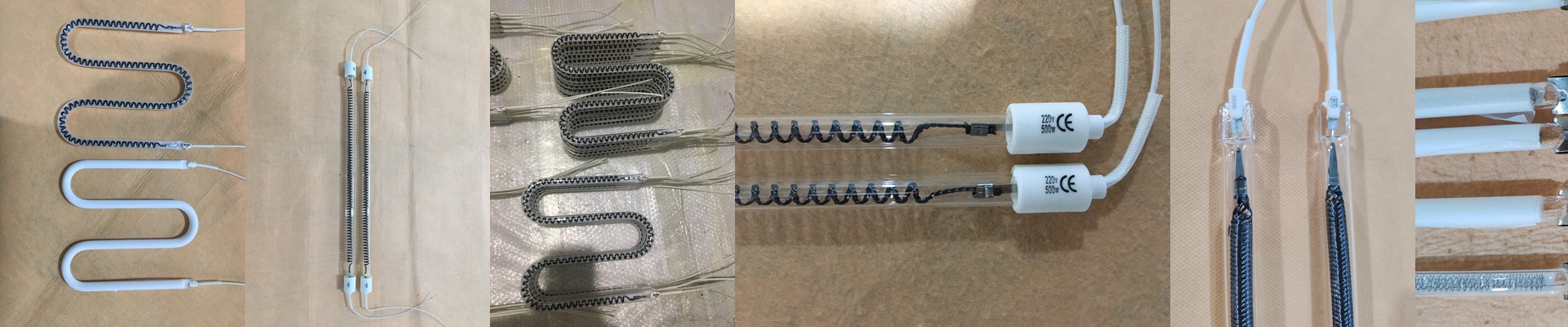
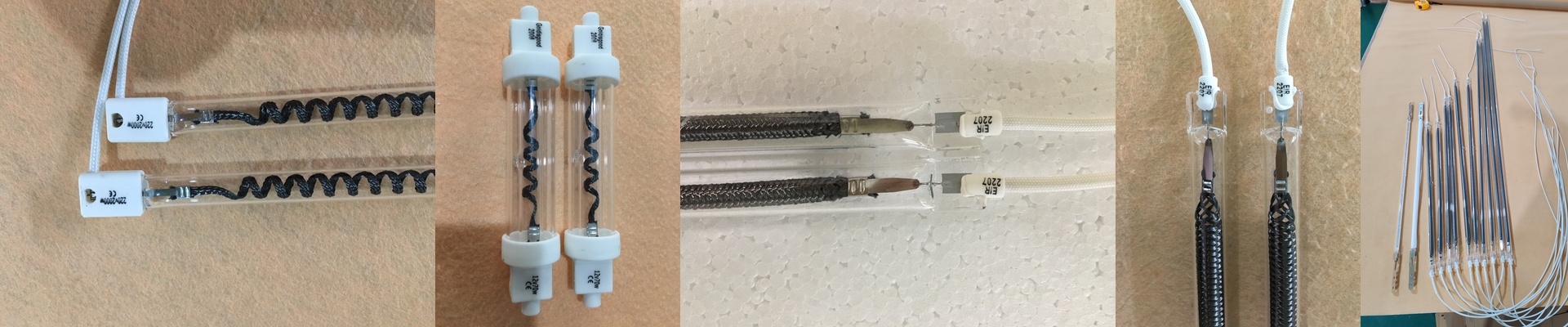
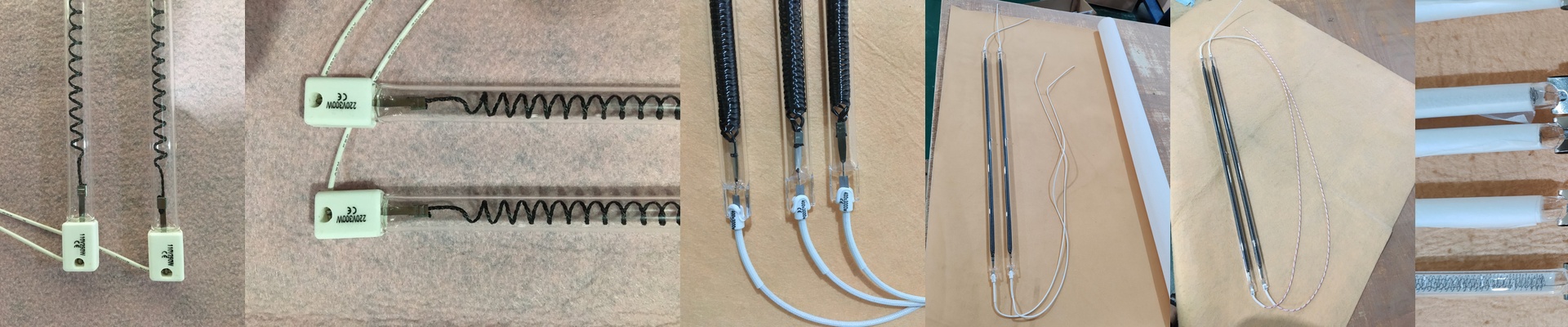
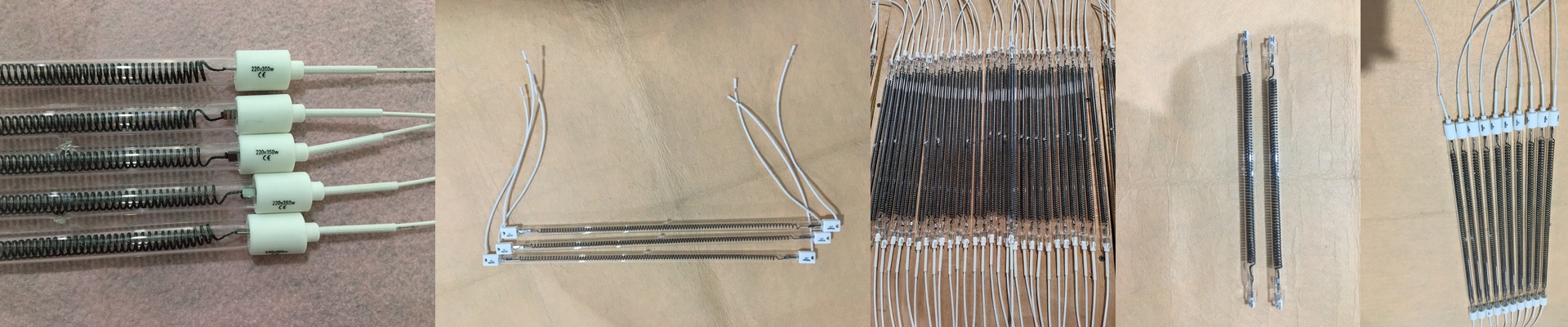
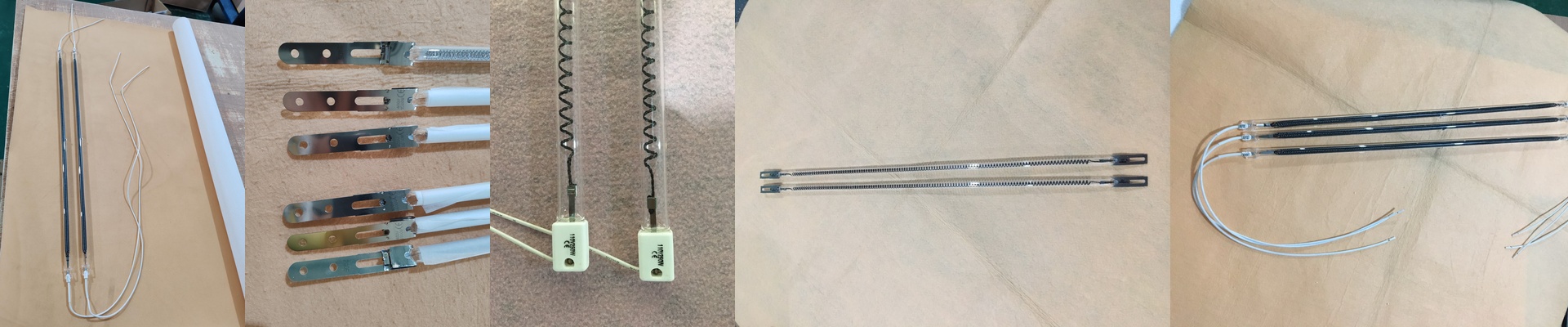
Let’s talk about brooding. Most of us are used to those old-school heat lamps, but they have a habit of just baking the air around them. We’ve started using far-infrared (FIR) carbon fiber elements instead. The difference is huge. Instead of trying to heat the entire barn, these elements send out long-wave radiation that goes straight into the birds. It’s like the feeling of the sun on your skin on a cool day—you feel the warmth deep inside, even if the air around you is still chilly. How it actually works We build these by embedding carbon fiber filaments into a heat-resistant polymer or quartz sleeve. Now, the science part is simple: carbon fiber lets us keep the surface temperature lower while still pumping out a lot of heat in that 3–50 $\mu$m range. That’s the “sweet spot” for biological tissue. The birds get a steady, deep soak of heat that keeps them from shivering, but you don’t have to worry about them getting scorched. The nitty-gritty on the setup Depending on how big your operation is, these run on either low-voltage DC or standard AC. One thing I love about this design is how the heat is spread. Because the resistive load is uniform across the whole element, you don’t get those annoying “hot spots” you see with thin-wire nichrome heaters. Just a heads-up: if you’re installing a high-density array, make sure your controllers can handle that initial surge of power when they kick on. The real-world trade-offs In a barn, things get bumped. A lot. Carbon fiber is a beast compared to quartz tubes. It doesn’t shatter when a bird hits the fixture or when the building vibrates. It just takes a beating and keeps working. But, there is a catch. These heaters aren’t instant. They don’t snap to full temp the second you flip the switch like a halogen lamp does. Because of that, you can’t set your thermostat too tight. If the temperature window is too narrow, the system will constantly click on and off, and you’ll burn through your relays in no time. Give it a wider “deadband”—a bit more breathing room—and your gear will last way longer.