Wall-Mounted Carbon Infrared Heaters: Power, Specs, and the Honest Truth About Installing Them
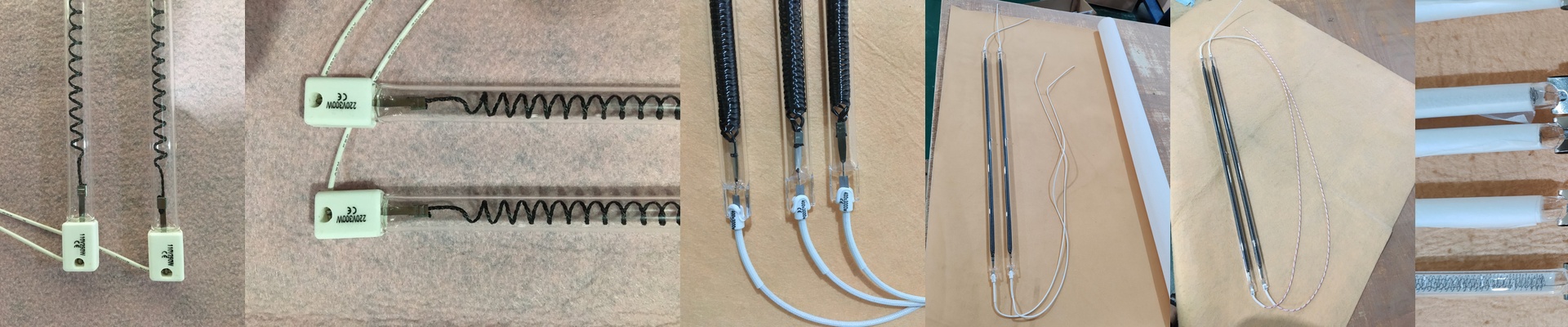
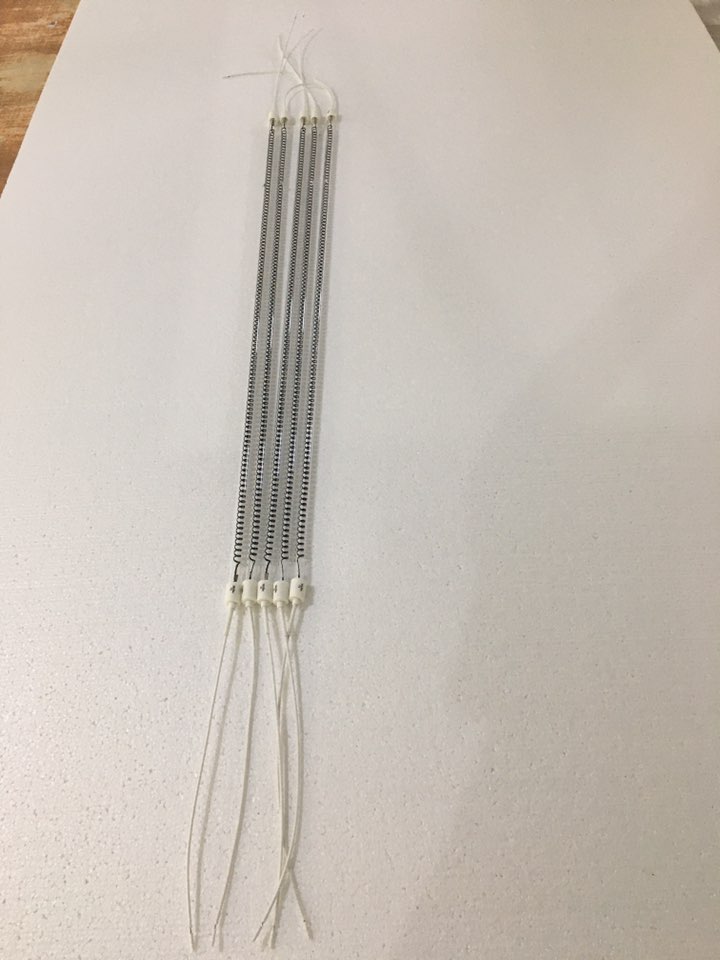
We built these wall-mounted carbon infrared heaters for one reason: to give you serious, focused heat exactly where you need it. Fast. These aren’t the kind of heaters that slowly warm up a whole room. Nope. They’re all about delivering a concentrated blast of heat straight to a target—perfect for industrial spot heating where you need power in a small space.
Let’s get into the guts of it: Power, Voltage, and Size
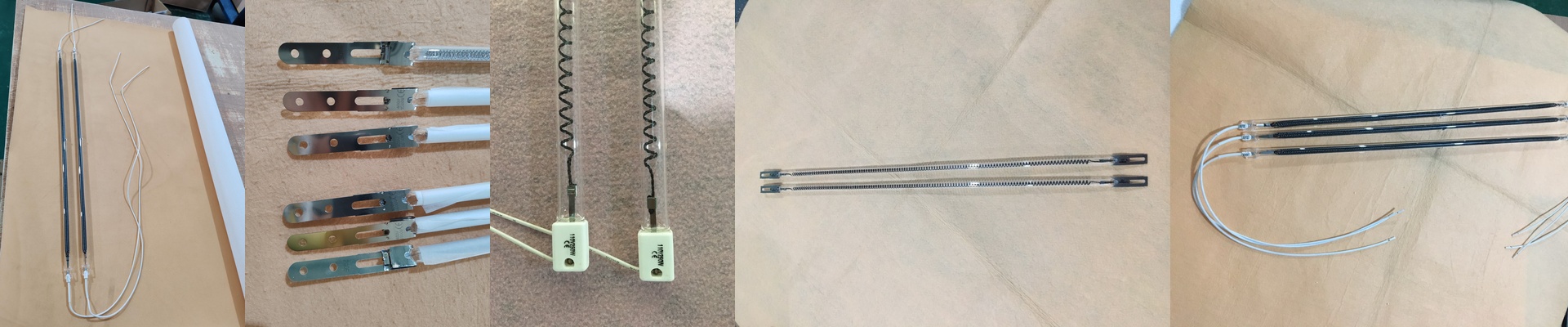
Here’s the deal. A typical unit runs on 400V. That voltage lets us cram a ton of wattage—like 2500W—into a tiny 300mm tube. And why does that matter for you? Because higher voltage means lower current for the same power. So you get to keep your wiring thinner and avoid stressing your connections. The short length gives you precise control over the heated zone, and it keeps the mounting footprint nice and small. It just makes your life easier when you’re mounting it to a wall or a machine.
What’s inside? Halogen, Quartz, Coating, and the Connector
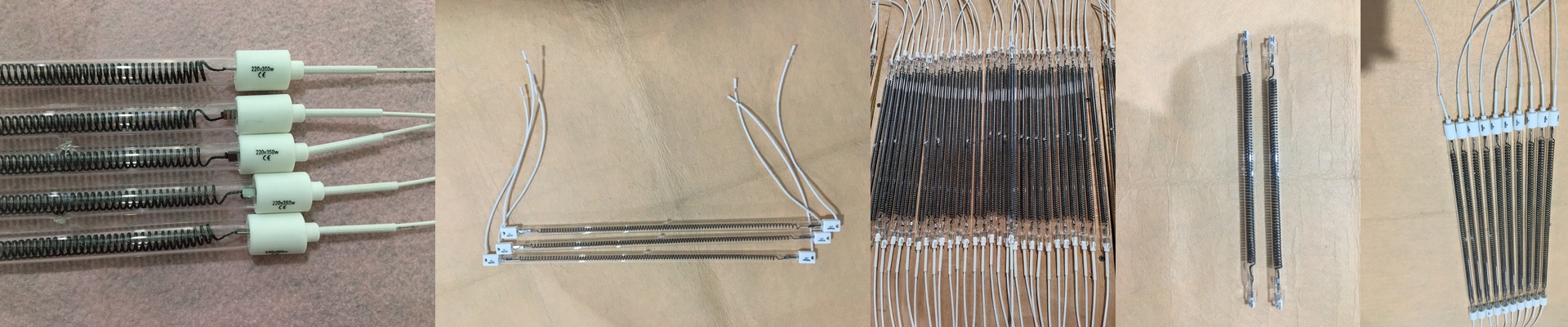
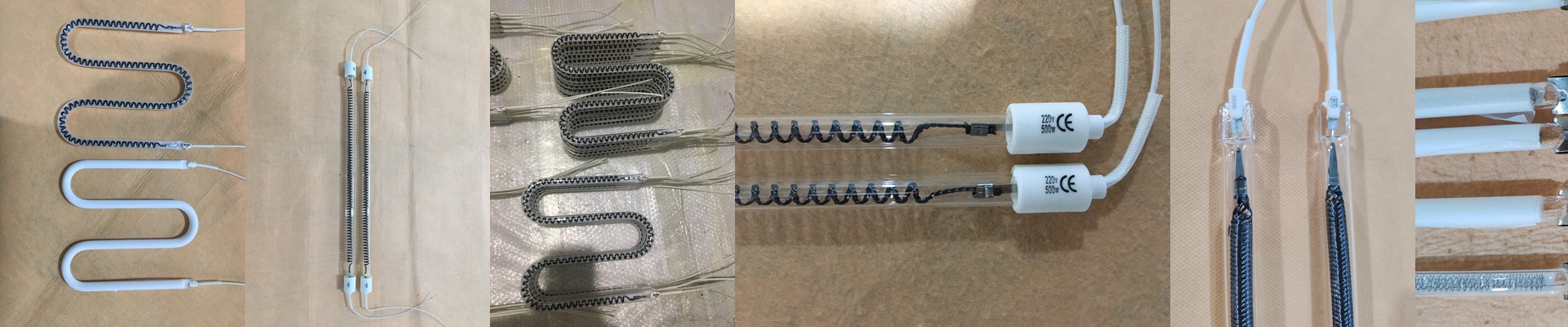
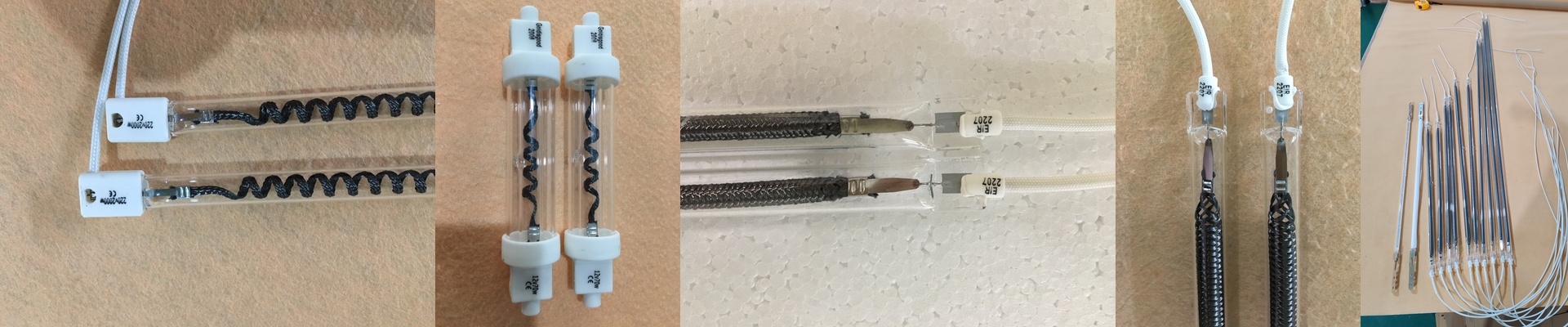
Inside, you’ll find a carbon filament wrapped in a quartz envelope, filled with halogen gas. That halogen chemistry does some heavy lifting. It keeps the output steady and helps the filament last way longer by preventing early burn-outs. The quartz tube? It’s tough. It handles sudden temperature swings and lets that shortwave infrared energy pass through cleanly. We also put a reflective coating on the back. It redirects all that energy forward, so you’re not wasting heat where you don’t need it. And the connector is an R7s two-pin ceramic base. It’s a classic for a reason. It locks in quickly, stays aligned, and can handle being heated up and cooled down again and again without getting fussy.
Where this shines, and what to watch out for
This setup is a natural fit for jobs that need heat, and they need it now. Think PET blowing, preheating plastic, activating adhesives, or drying. The wall mount keeps the heater out of the way, and the shortwave output means you get heat almost the instant you turn it on. But here’s the reality check. Because you’re packing so much heat into a small space, you’ve got to plan for the heat it pushes back out. Your machine enclosure or local cooling has to be ready to handle that extra ambient heat. If it’s not, you’re just asking for your components to give up early. Plan for it, and you’re golden.