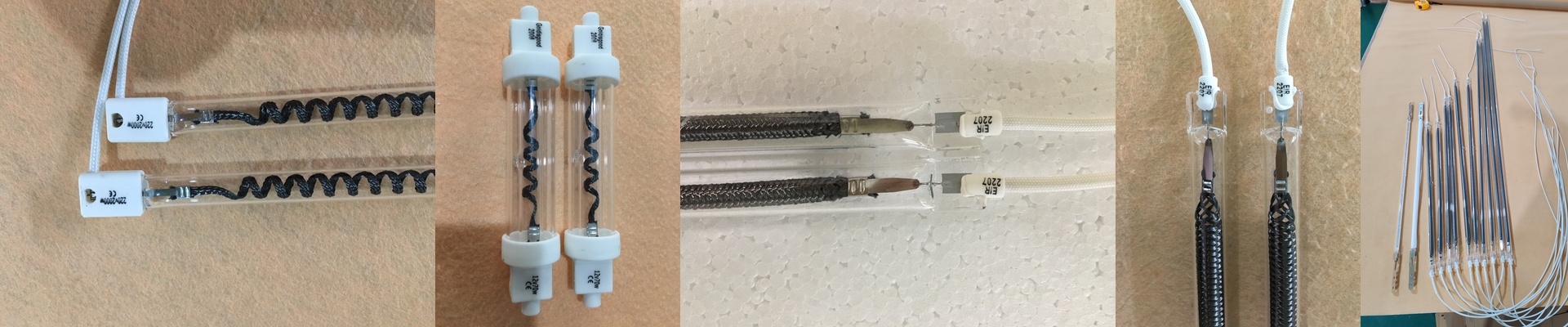
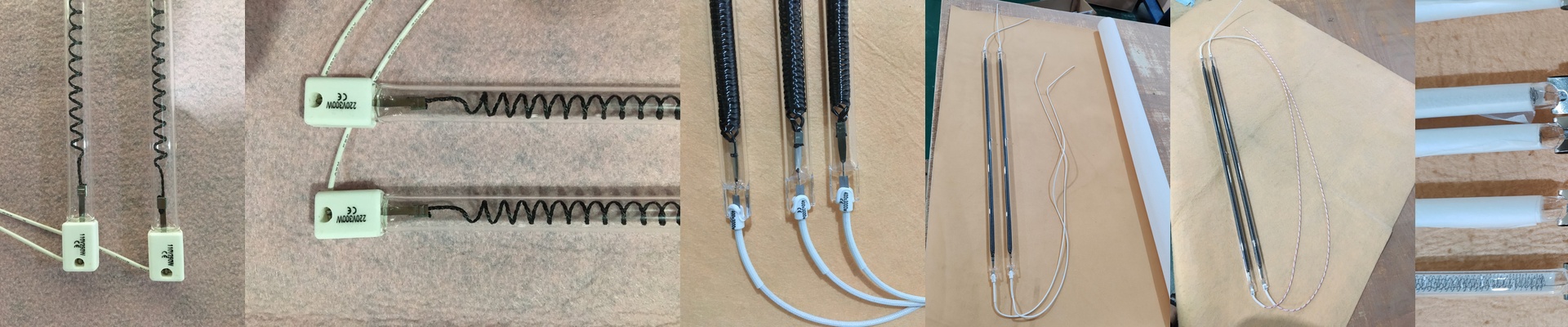
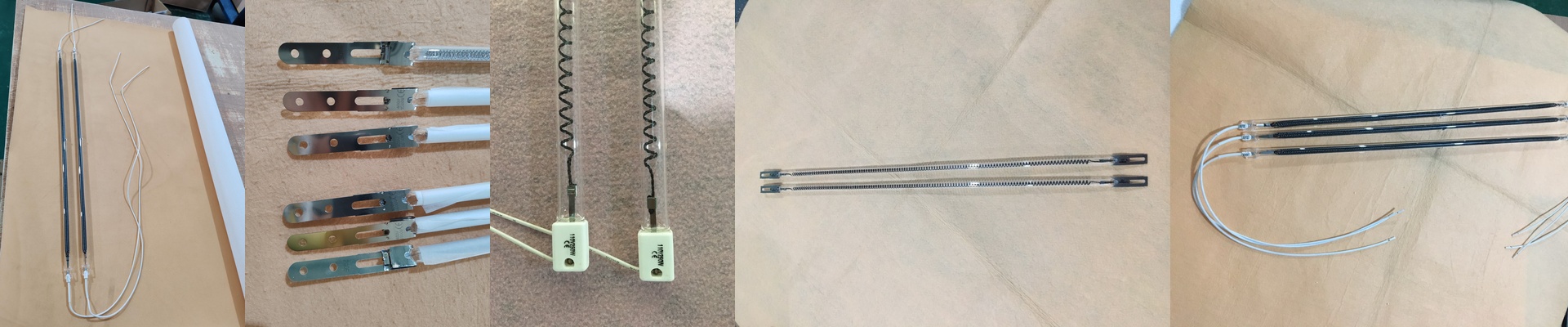
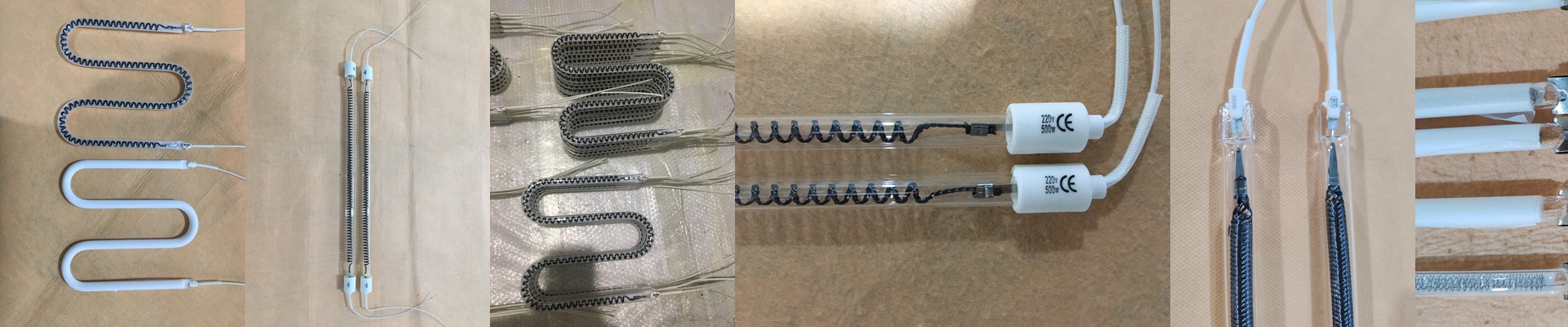
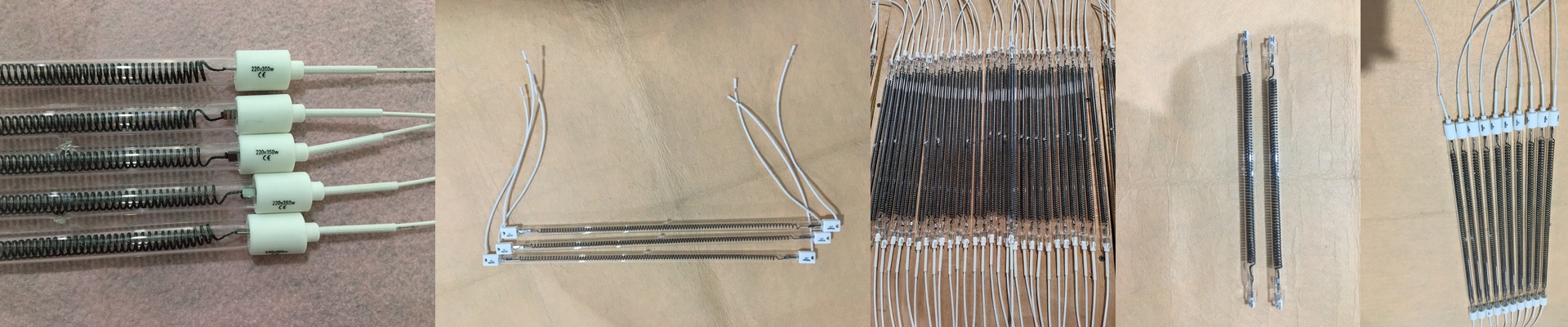

Let’s Talk Carbon Fiber Heat Tubes
Here is the basic deal: these tubes work through resistive heating. We take carbon fiber filaments, tuck them inside a quartz or ceramic sleeve, and let them pump out short-to-medium wave infrared radiation. The cool part? Carbon fiber doesn’t expand or warp under heat nearly as much as those old-school metal coils do. It just handles the heat better. Getting the power right When we’re spec-ing these out, we look at the wattage per centimeter. If you need things to heat up fast, you go for high wattage. But here is the catch: you’ve got to make sure your voltage matches your control panel. If you don’t, you’re just going to fry your filaments. Also, if you’re pushing a tube to its limit, give it some breathing room. If your housing doesn’t let the excess heat escape, your tubes aren’t going to last very long. What’s under the hood? We use a carbon fiber core because it hits those high temperatures without being fragile like tungsten. Then we wrap it in a quartz envelope to keep oxygen and grime away from the filament. We also pay a lot of attention to the end-cap seals. You don’t want gas leaking into your vacuum or inert chamber. And please, double-check your connectors. A loose connection leads to arcing, and that’s a quick way to kill your terminals. Making it work in your shop You’ll see these all over PET blowing, curing, and drying lines. The beauty of it is that the heat goes straight into the workpiece. You aren’t wasting energy heating up all the air in the room. Plus, they take up way less space than those massive forced-air ovens. One heads-up, though: because the heat is so concentrated, you’ll need to be precise with your PID tuning. If your controller overshoots the mark, you might scorch your material or put too much stress on the quartz. My advice? Use a dedicated SSR. It makes the switching faster and keeps everything stable.