
Stop wasting floor space on giant ovens
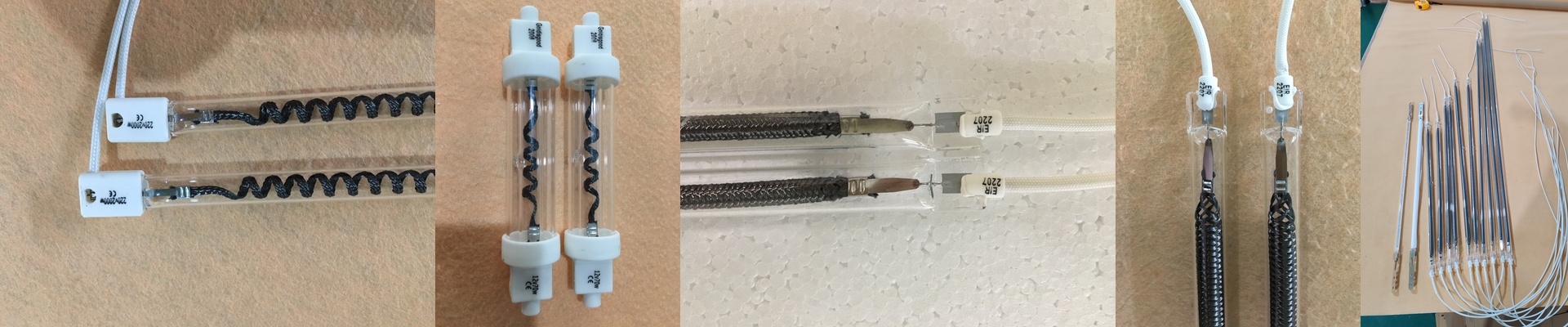
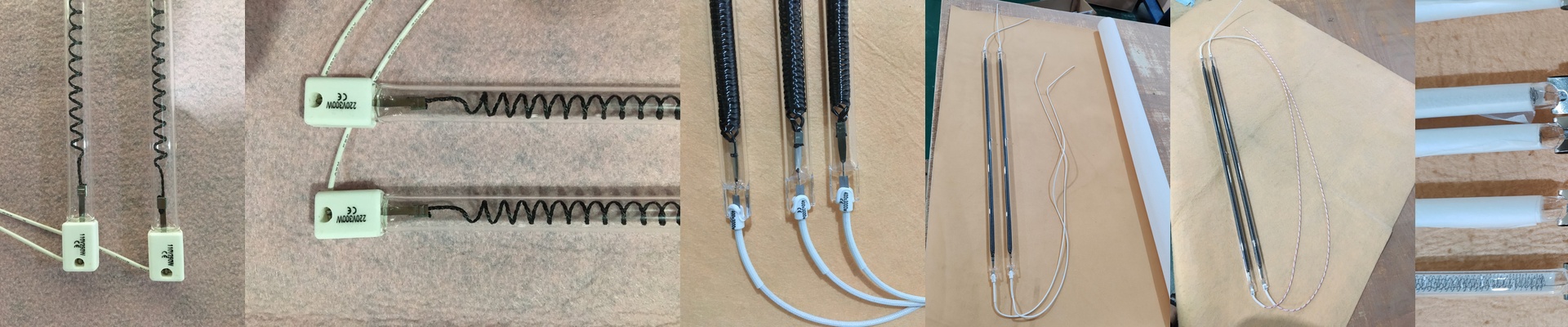
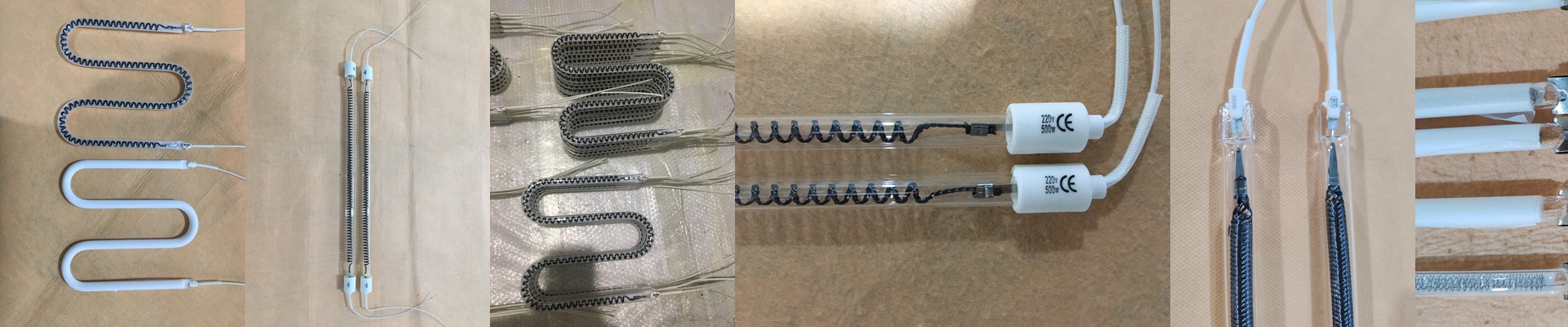
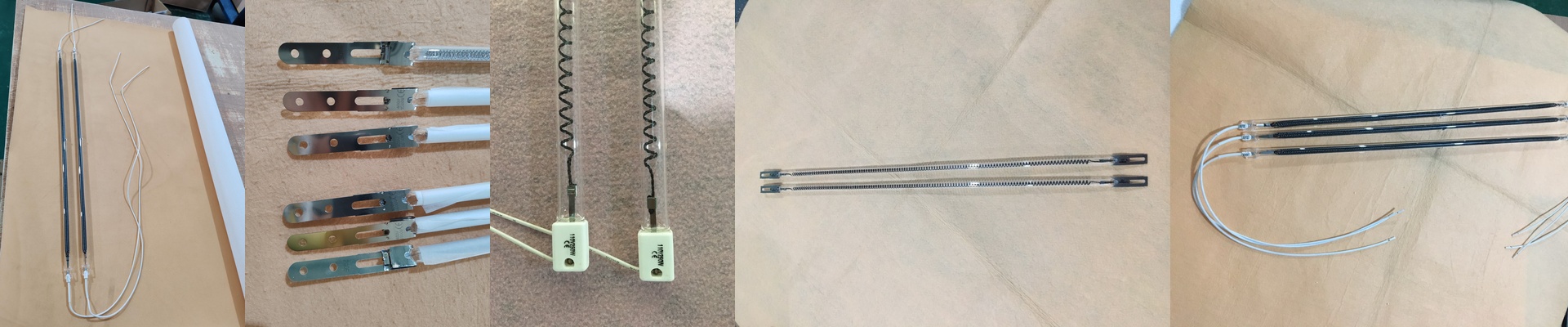
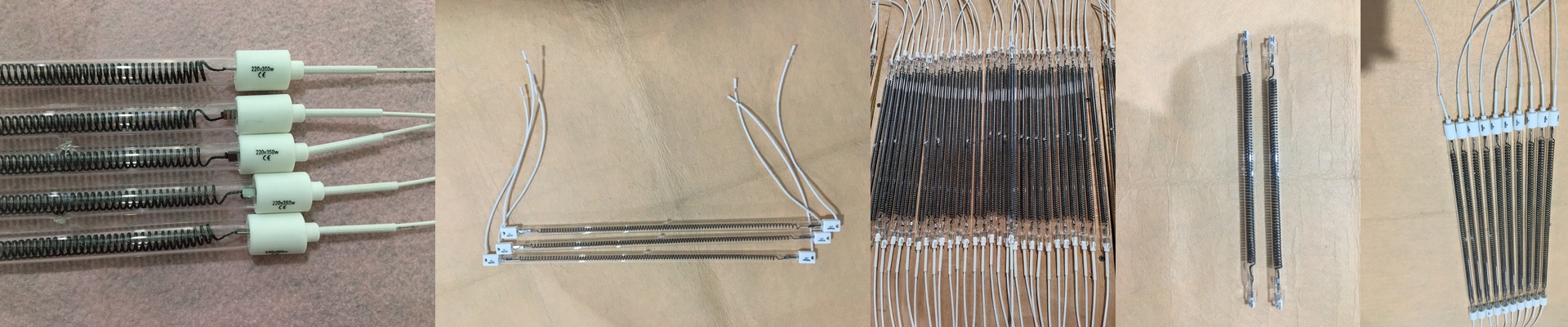
Most brake pad coating lines rely on old-school convection ovens. You heat up the air, and the air eventually heats the part. It’s slow. It’s clunky. And it usually means you’re stuck with a massive tunnel taking up half your shop floor, creating a bottleneck that slows everything else down. We do things differently. We use shortwave infrared (IR) to skip the air entirely. Instead of warming the room, we dump the energy straight into the coating. Why this actually works Shortwave IR has a shorter wavelength, which is a fancy way of saying it actually sinks into the material rather than just bouncing off the top. For your brake pads, this is a huge win. The resin cures from the inside out. You don’t have to worry about “skinning”—that annoying problem where the surface hardens too fast, traps solvents underneath, and ruins the part. Everything cures evenly. Getting your floor space back If you’re running a gas oven that stretches 20 meters across your shop, you’re probably feeling the squeeze. With high-density IR emitters, we can usually do that same job in 5 to 8 meters. We use lamps with high wattage per millimeter to crank up the heat flux. It turns a process that used to take minutes into one that takes seconds. It’s fast. Really fast. The catch (because there’s always one) I won’t tell you this is a magic wand. High-intensity IR is aggressive. If your conveyor speed is off or your controllers are lagging, you’ll scorch your pads. It happens. You also have to make sure your ventilation is up to the task. When you accelerate curing this quickly, solvents off-gas fast, and you need a way to get that stuff out of the tunnel. What this means for your day-to-day At the end of the day, you get more parts out the door every hour and you get some of your warehouse back. We build these systems to be modular, so they either plug right into what you already have or replace a section of your line without a total teardown. Just pair it with a precise PID controller to keep your temperatures steady, and your scrap rate will plummet.