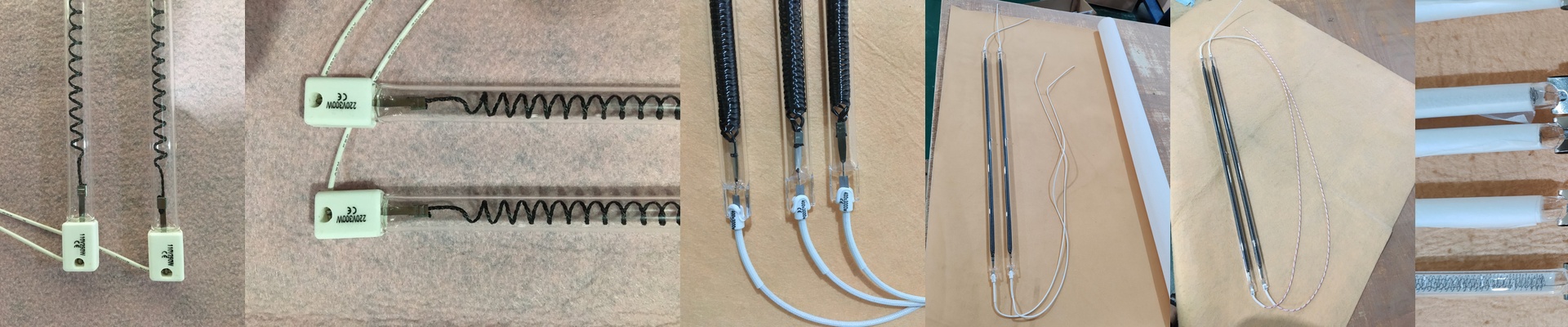
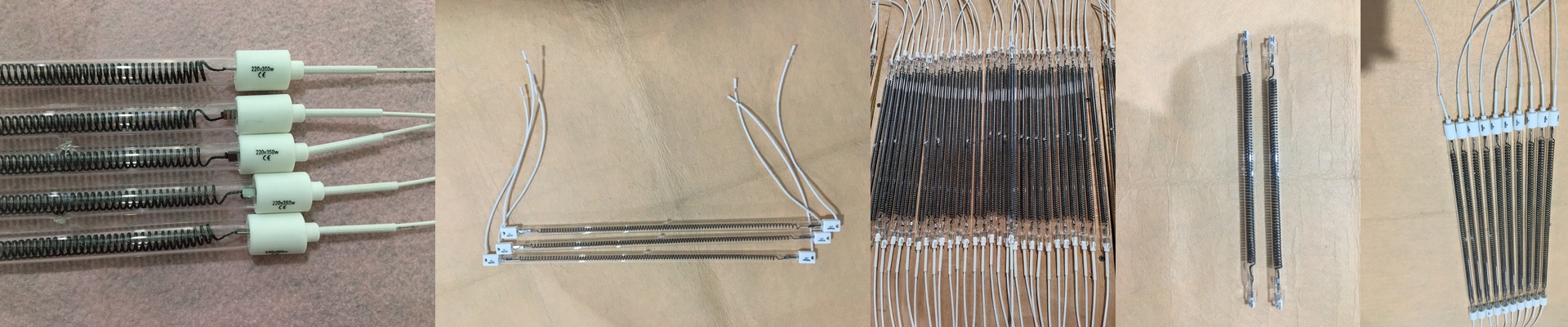
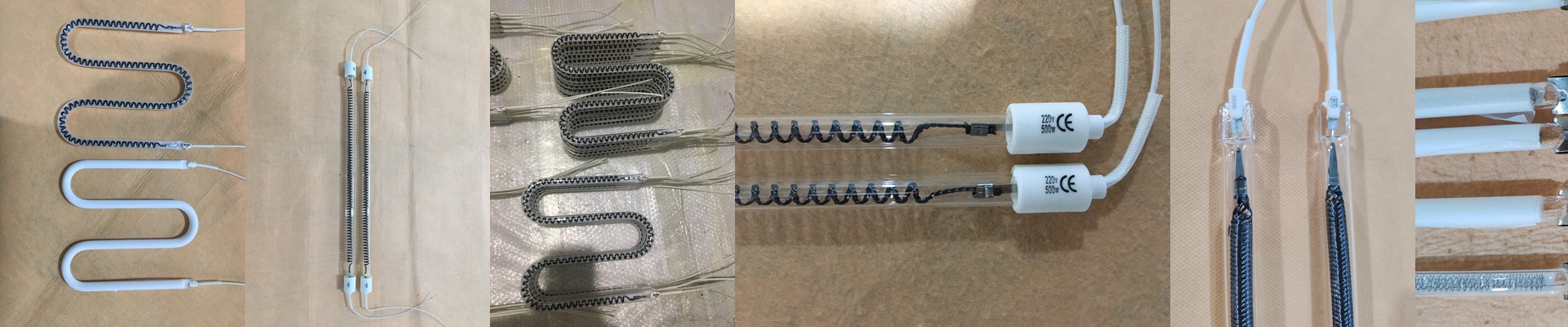
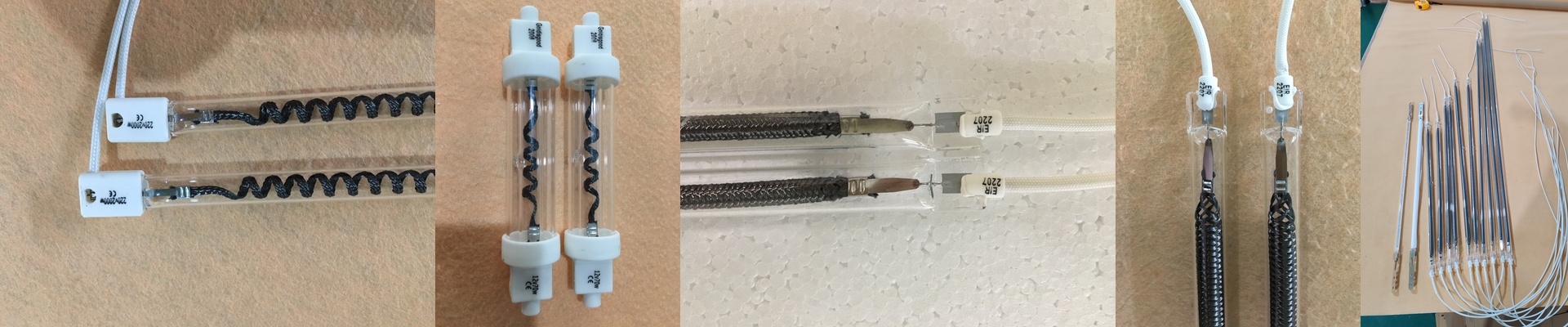
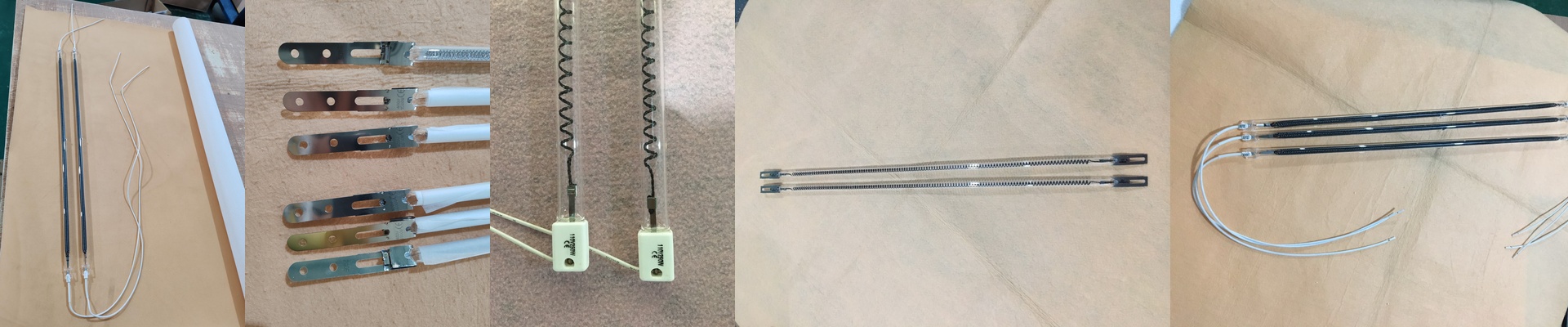

Ever wonder why some brakes just won’t stop squealing? It usually comes down to how they were baked. Most shops use standard convection ovens. The problem is that these ovens heat the air first, and that air has to fight its way into the brake pad. The outside hardens quickly, but the center stays soft and under-cured. This creates internal stress and weird density gaps. That’s exactly where that annoying vibration—the squeal—comes from. The trick is using infrared. Instead of heating the air, we use shortwave IR emitters. Think of it like the sun hitting your skin on a hot day; the energy doesn’t wait for the breeze to warm up, it just hits you. These photons dive straight into the friction material, vibrating the molecules all the way through the pad at once. You aren’t just heating the surface and hoping it reaches the middle. Everything warms up together. The resin cures at the same speed from the core to the skin. To make this work, we use high-wattage quartz lamps. The sheer power density is what makes the difference. You hit your target temperature in a fraction of the time it takes for hot air to do the job. This means your production line can be shorter and your cycles can be way tighter. But, there’s a catch. Because IR is so intense, you can actually scorch the surface if your conveyor belt is moving too slowly. It’s a delicate balance. You need a really precise PID control system to make sure you aren’t burning the top layer while the core is still catching up. When you get the cure right, everything changes. The material stays stable across the whole surface. No soft spots. No uneven wear. By getting the heat deep into the part, you’re killing the noise at the root. You end up with a denser, more stable pad that sails through NVH testing on the first try. No headaches, no re-dos. Just a quiet brake.