
Getting Your IR Lamp Spacing Right for Brake Pad Curing
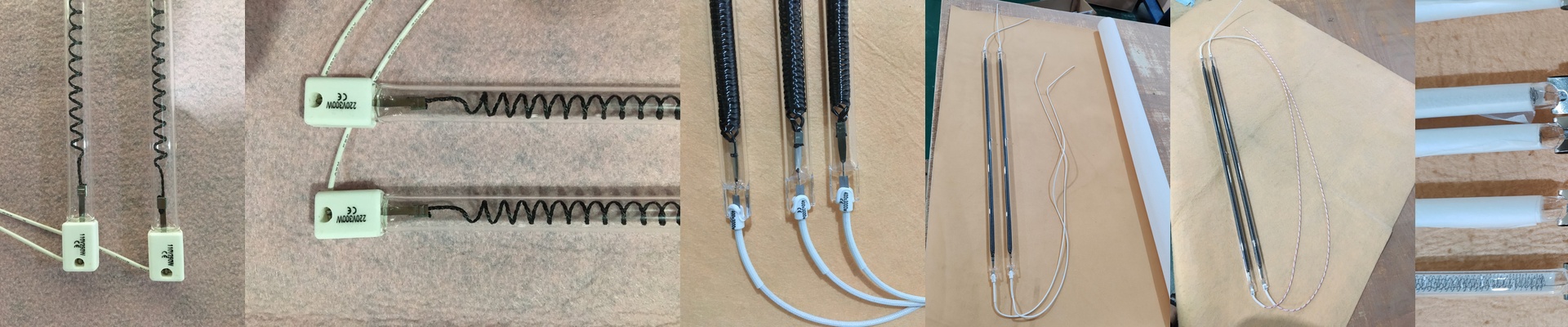
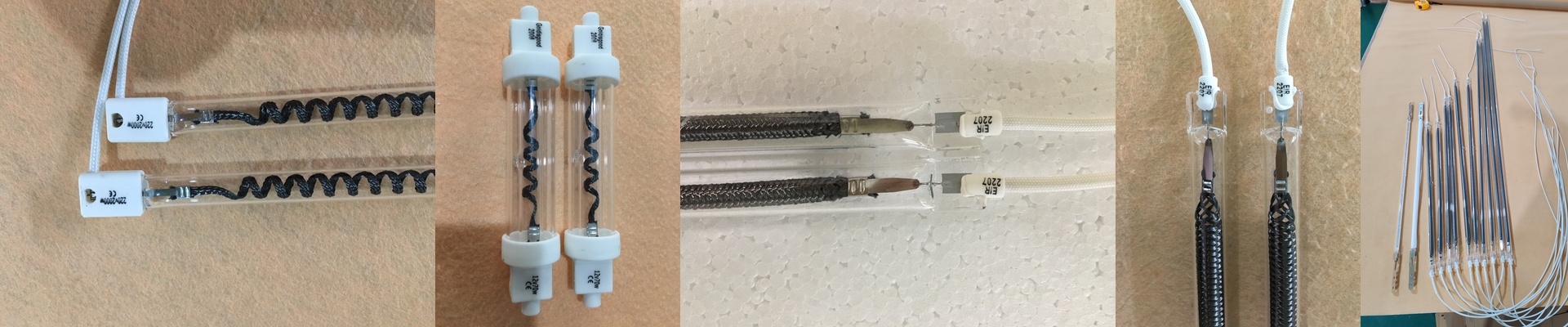
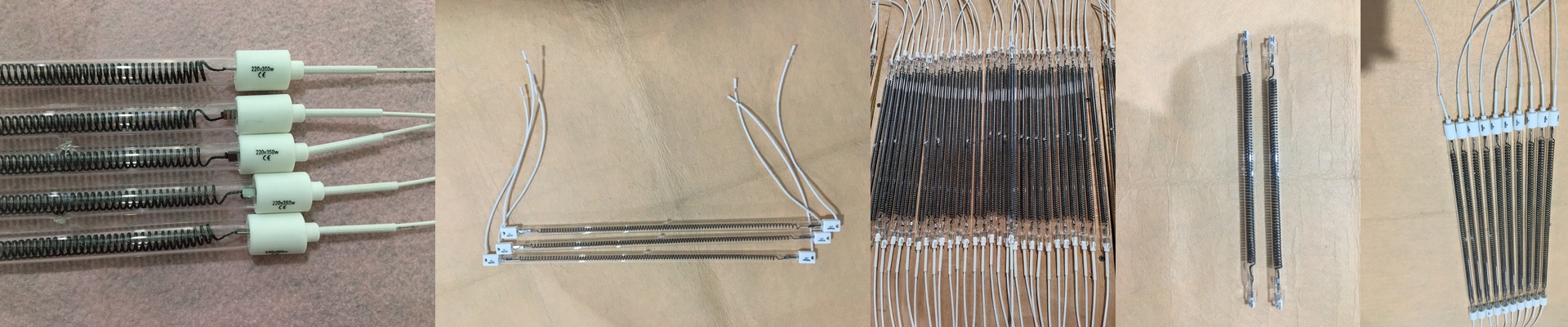
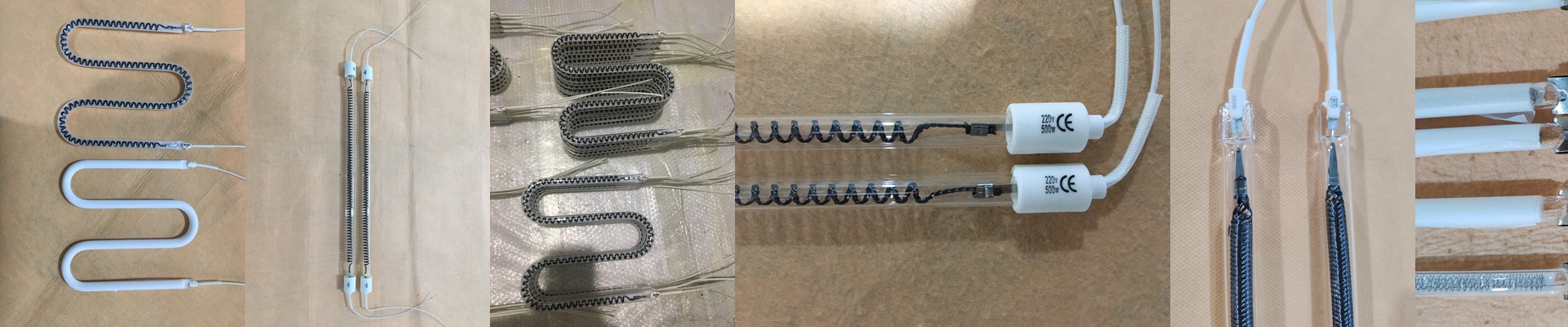
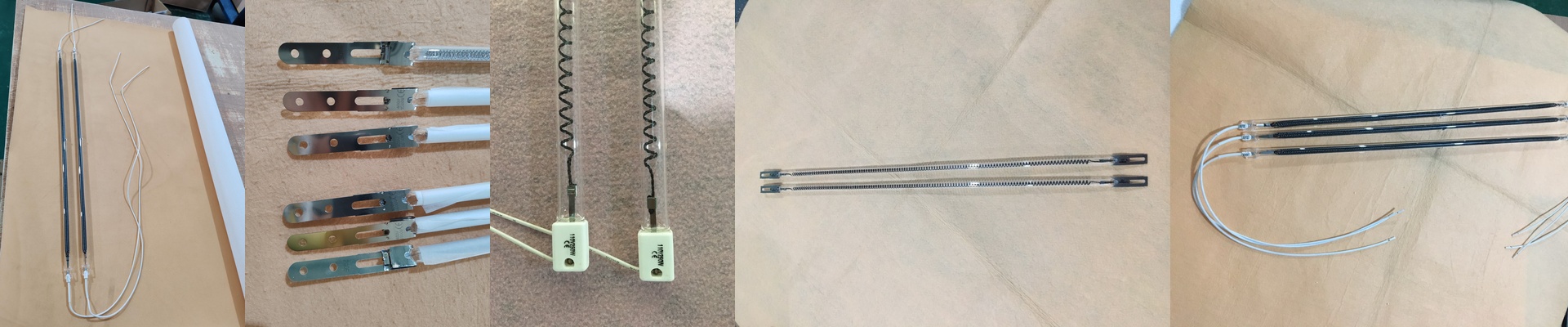
Curing brake pad coatings is a bit of a balancing act. You need enough heat to set the resin, but not so much that you scorch the friction material. When we’re putting together custom heating walls for paint booths or ovens, the way we space those infrared (IR) lamps vertically is what makes or breaks the whole batch. Get it right, and everything cures evenly. Get it wrong, and you’re looking at a pile of rejected parts. The trick with thermal flux You can’t just slap a standard grid on the wall and call it a day. Every vehicle model has different pad shapes and rack heights. We focus on the “overlap zone”—that sweet spot where the heat cones from two lamps meet. If you spread them too far apart, you get cold spots. Too close? You’ll end up with hotspots that ruin the finish. For the bigger pads, we usually pack more lamps into the center of the wall. Those heavy metal carriers act like heat sinks, sucking energy away, so we have to push a bit more heat there to keep things consistent. Handling the heat and the power Depending on the chemistry of your coating, we’ll use either short-wave or medium-wave quartz lamps. Short-wave hits the surface fast. It’s great for speeding up production, but it’s aggressive. You have to be very careful about the distance between the lamp and the part, or you’ll burn right through. Then there’s the electrical side. These things pull a lot of juice. A wall full of 2kW lamps creates a massive power draw the moment you flip the switch. Make sure your panels can handle that initial inrush current. And don’t forget the airflow. If your cooling fans aren’t strong enough to pull the ambient heat away from the reflectors, your housings will start to warp. Not a good look. The trade-offs in the build We often use modular brackets so you can slide the heaters up or down. It takes a bit more time to assemble and costs a little more upfront. But here’s the thing: it saves you from scrapping the entire wall the second your client switches to a different car model. It’s just easier. Plus, we always suggest heavy-duty reflectors. They push the IR energy forward where it belongs, instead of letting that heat bleed into the oven walls where it’s just wasted.