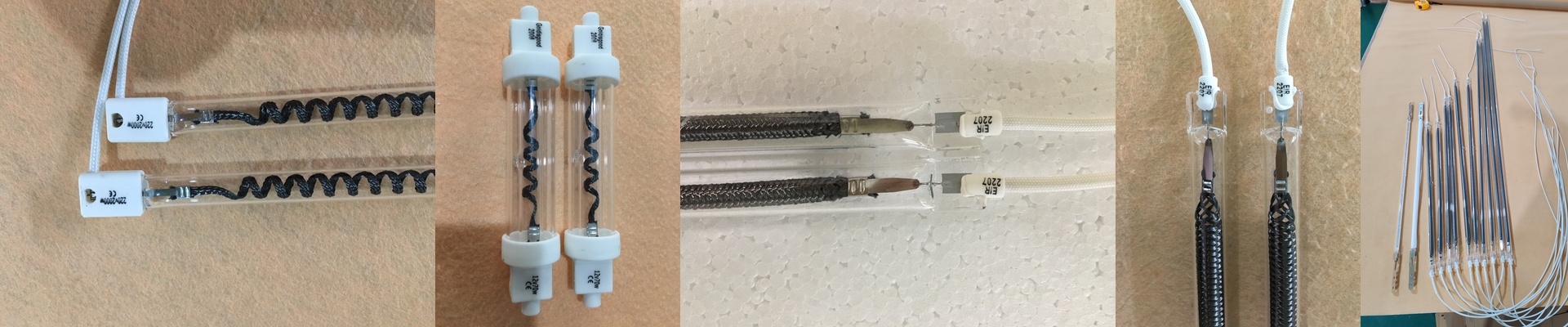

Let’s Talk Carbon Fiber Infrared Lamps
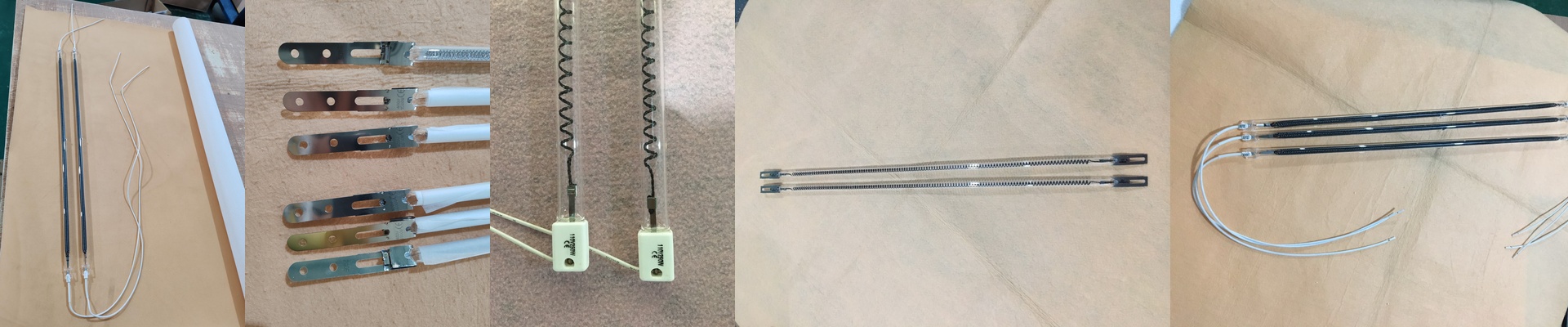
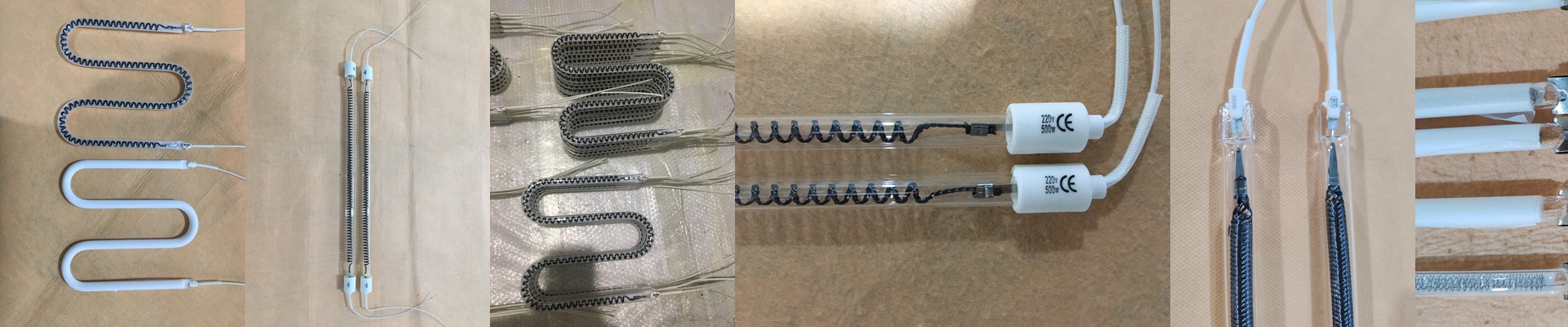
Ever wonder why we use carbon fiber filaments tucked inside high-purity quartz glass? It’s pretty simple. We want far-infrared (FIR) radiation that actually works. Unlike those old-school metal coils, carbon fiber can handle a lot more current and doesn’t hold onto heat the way metal does. This is a big deal for your workflow. It means you hit your target temperatures fast, and when you flip the switch off, the heat vanishes almost instantly. No lingering, no waiting.
The Nitty-Gritty on Heat
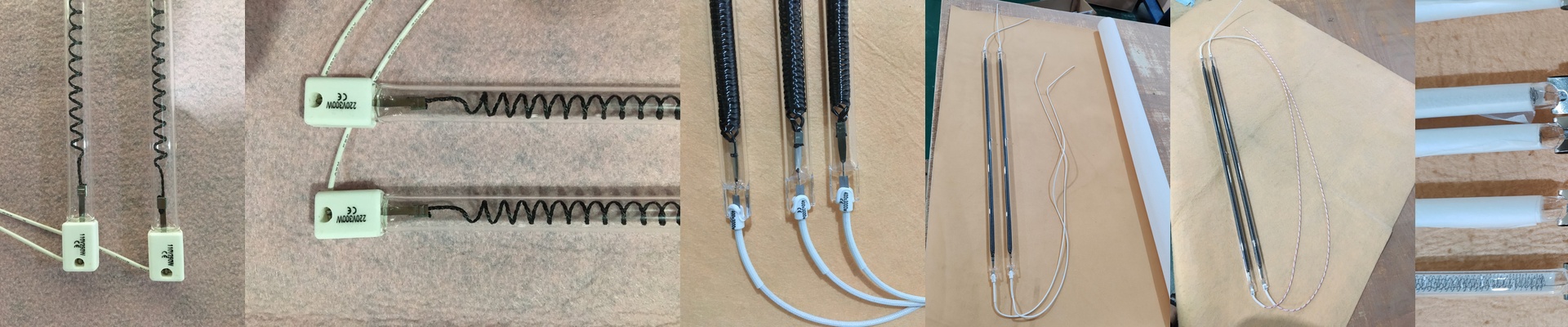
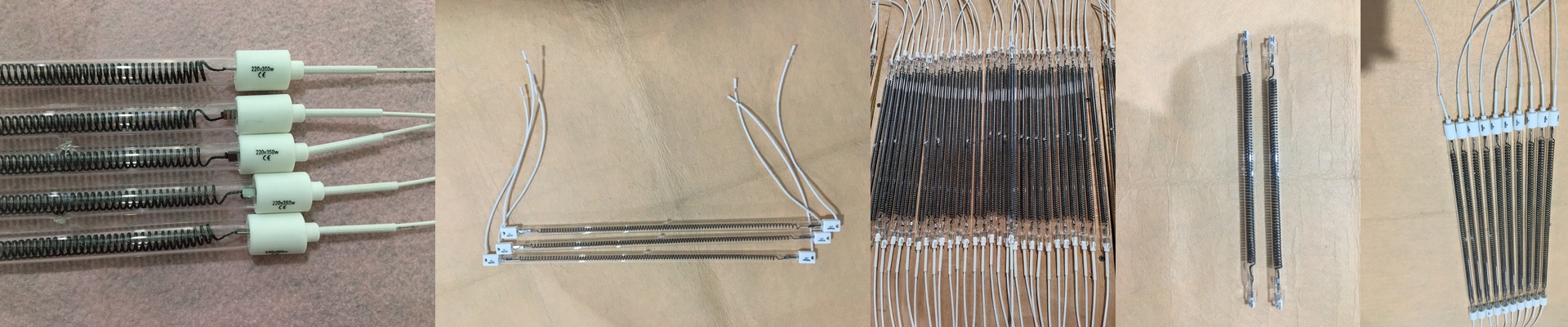
The heart of the lamp is that carbon fiber element. It puts out energy in the 2.0 to 10.0 $\mu$m range. Now, if you’re working with polymers or organic compounds, that’s exactly what you want. Those materials just soak up this specific wavelength like a sponge. But here is the thing: you’ve got to be smart about your wattage and tube length. If you cram too much wattage into a short tube, you get a massive blast of heat, but you’re putting a lot of stress on the quartz.**Watch your airflow.**If your housing is cramped and the air isn’t moving, the ends of the tube will overheat and crack. And nobody wants to deal with a shattered lamp mid-shift.
Design and a Few Warnings
The quartz glass isn’t just there for looks. It keeps the carbon filament from oxidizing while letting the infrared rays slide right through. We use a hard-quartz blend because it doesn’t warp when things get scorching. We can do different end-cap setups depending on how you’re wiring things—standard leads or snap-in connectors. Whatever you choose,**the seal has to be airtight.**Just a tiny leak of oxygen into that tube and your carbon fiber filament will burn out in minutes. It’s an expensive mistake to make.
Making it Work in the Real World
You’ll see these lamps everywhere—drying lines, curing ovens, PET bottle blowing. They’re great because the heat is spread out evenly. You don’t get those annoying “hot spots” that short-wave lamps create, which usually end up scorching your product. One last tip: these lamps are a bit sensitive to voltage spikes. Don’t just plug them straight into a raw power line. You’ll kill the lamp’s lifespan way faster than you should. Use an SCR or a PID controller to ramp up the power gently. Your equipment will thank you.