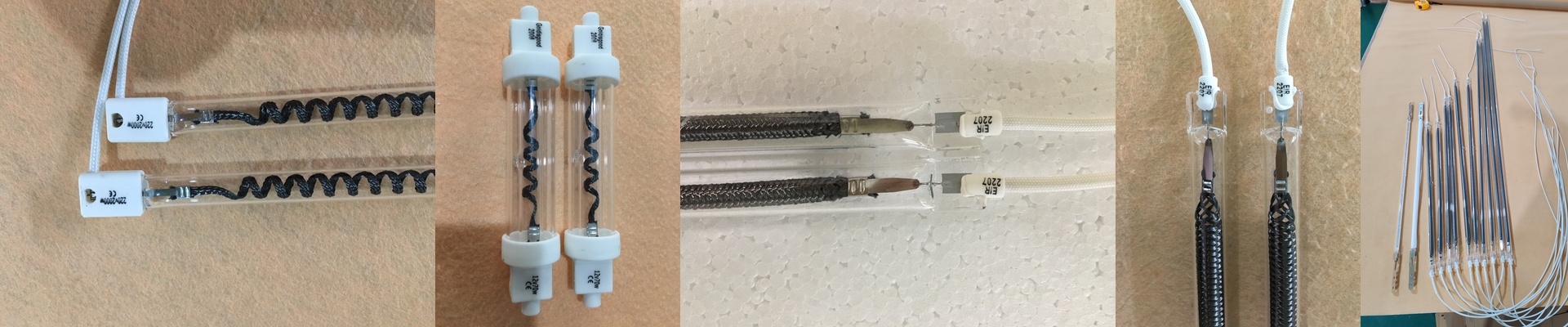

Let’s Talk About Circular Carbon Fiber Heaters
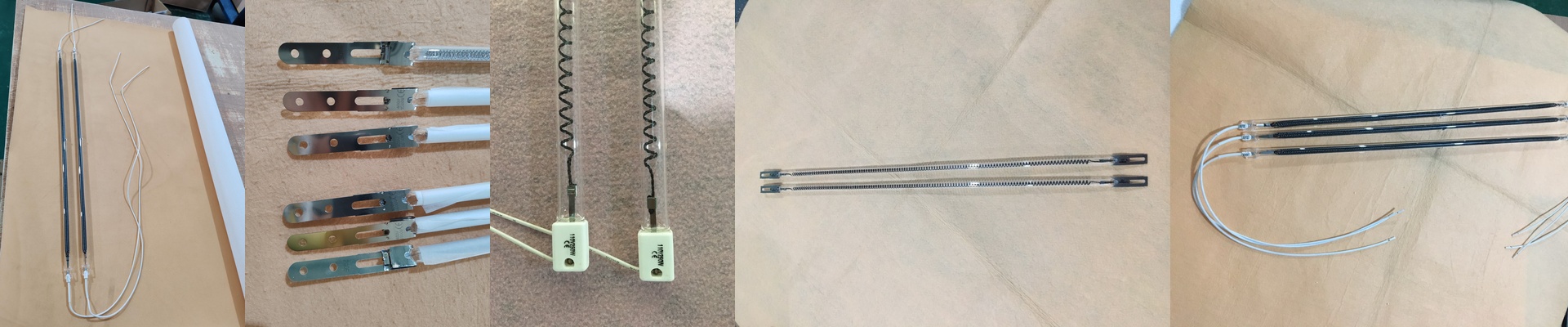
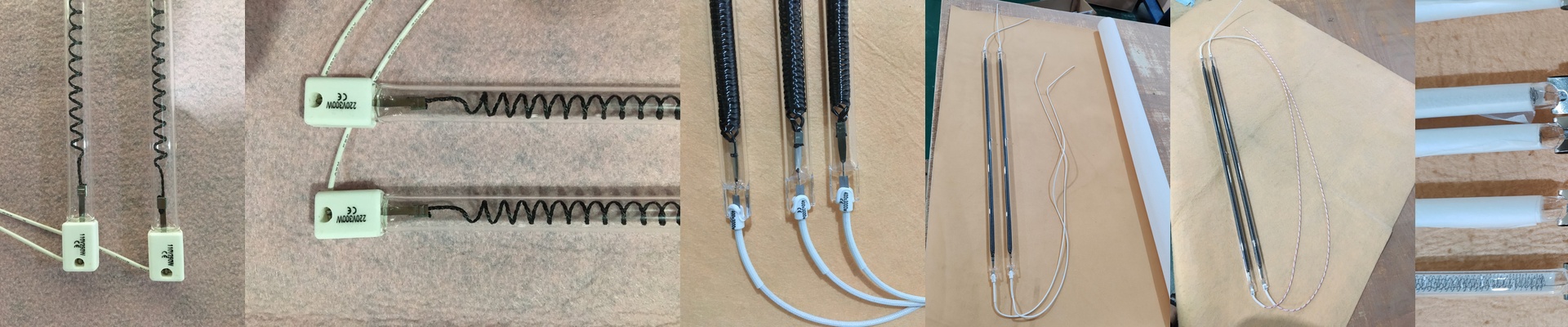
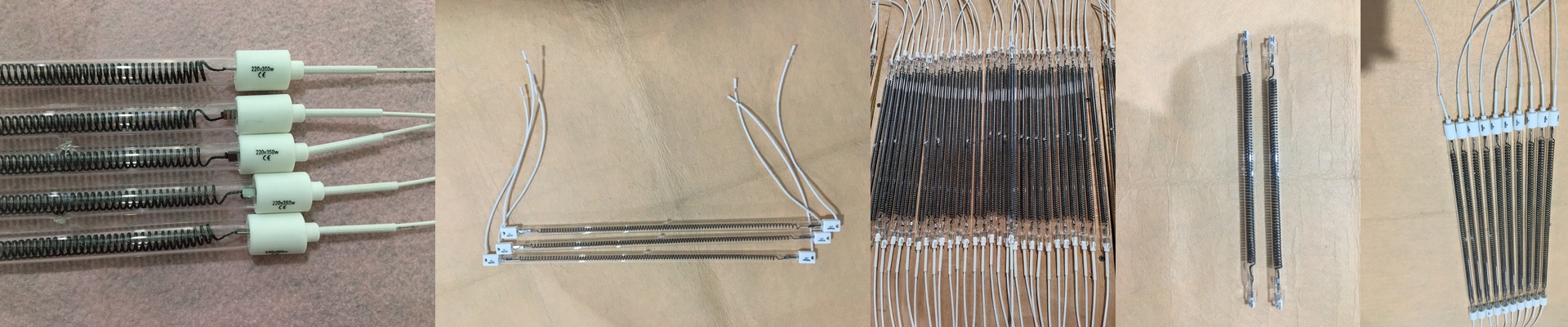
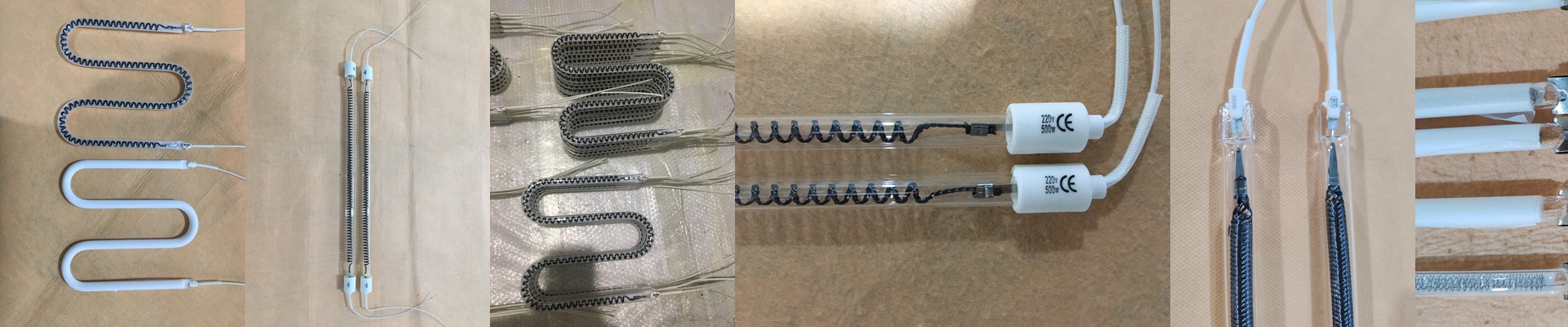
We build these circular carbon fiber lamps for one reason: to pack a massive amount of heat into a tiny space. Instead of your run-of-the-mill quartz tubes, we tuck a carbon fiber element inside a quartz envelope. It changes the way the heat hits your target, pushing it deeper into the material. It’s perfect when you need precision warming or a fast cure without wasting energy.
The Logic Behind the Shape
The circle isn’t just for looks. We use this geometry so you don’t end up with those annoying cold spots. It wraps the heat evenly around whatever you’re working on. When you’re picking your specs, keep an eye on the wattage relative to the surface area. That’s what controls your ramp-up time. Since carbon fiber reacts way faster than old-school metallic coils, you get your heat almost instantly. One heads-up:**Get your voltage right.**Your power rail needs to match the lamp exactly. If you get this wrong, you’ll either get a lukewarm lamp or you’ll fry the whole thing in a few minutes.
Why Carbon Fiber?
Carbon fiber is a beast when it comes to heat. Unlike tungsten, it doesn’t warp or start sagging when things get scorching. We seal everything in high-purity quartz because carbon fiber and oxygen don’t get along. The second that fiber hits the air, it’s over. The quartz acts like a shield, keeping everything stable. The tricky part is the bend. We have to tension the fiber just right during manufacturing. Too tight? You get hot spots. Too loose? The lamp won’t hit the temperature it’s supposed to. It’s a delicate balance.
Real-World Use (And the Gotchas)
You’ll usually see these in PET blowing or tight drying tunnels where you just don’t have room for big, bulky heating arrays. They’re a great way to save space. But, there are a couple of things to watch out for. First, quartz is fragile. It’s glass, after all. If your machine vibrates too much or shifts around, the lamp can crack.**Use a secure mounting bracket.**Don’t skip this. Also, these things put out some intense, localized heat. Make sure your housing is properly vented. Otherwise, you might find yourself melting your own wiring.