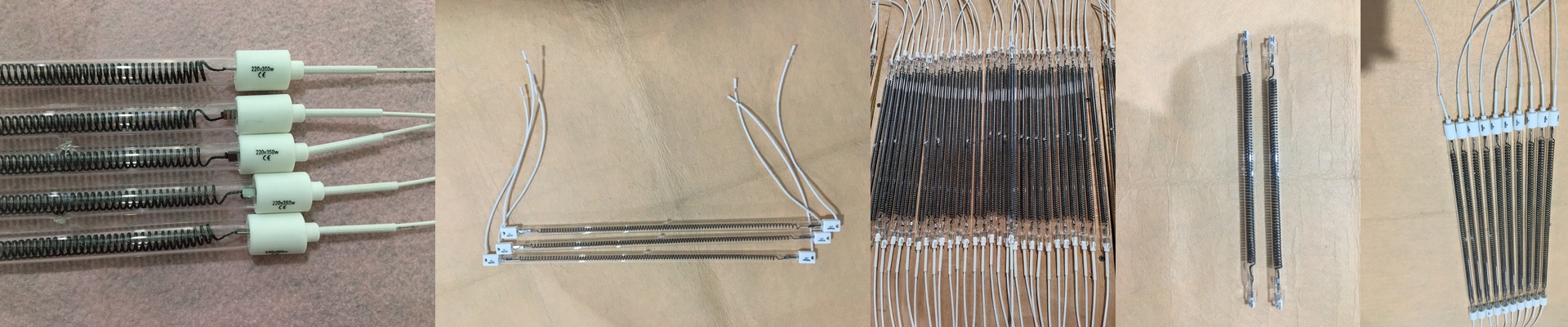
Carbon Fiber Halogen Heat Lamps: High-Density Infrared for Industrial Processes
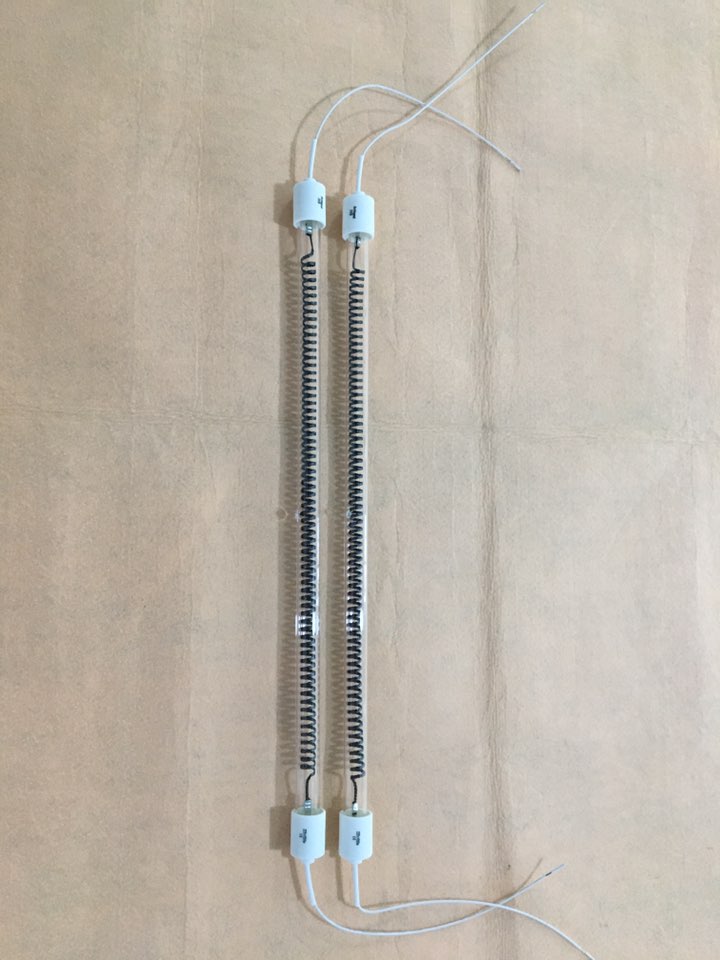
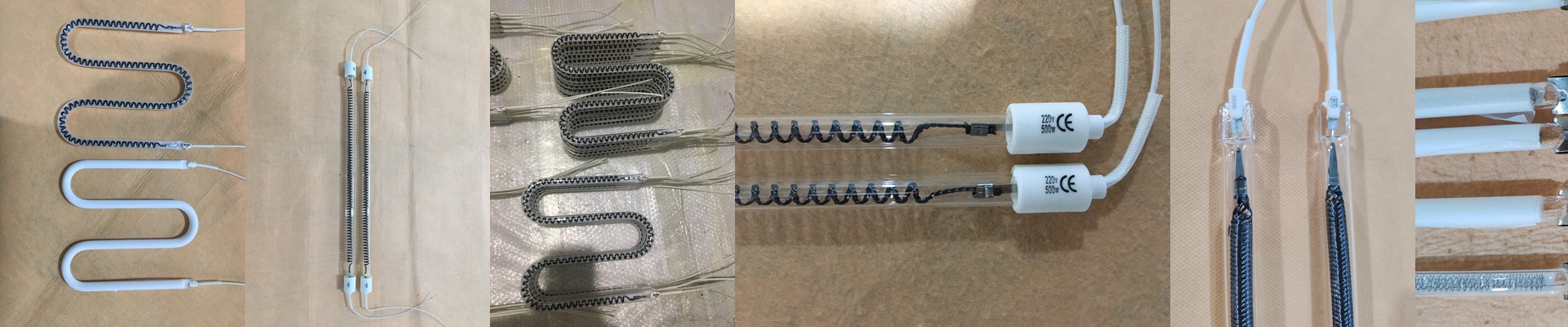
We built these carbon fiber halogen heat lamps for engineers who need heat that’s compact, powerful, and ready to go. You need something that wires up fast and keeps working—day after day, on a busy factory floor. These aren’t your everyday, all-purpose heaters. They’re for spot heating when you need intense heat in a tight spot, and for getting to temperature quickly when the process can’t wait.
Power, Voltage, and Size: What You Actually Get
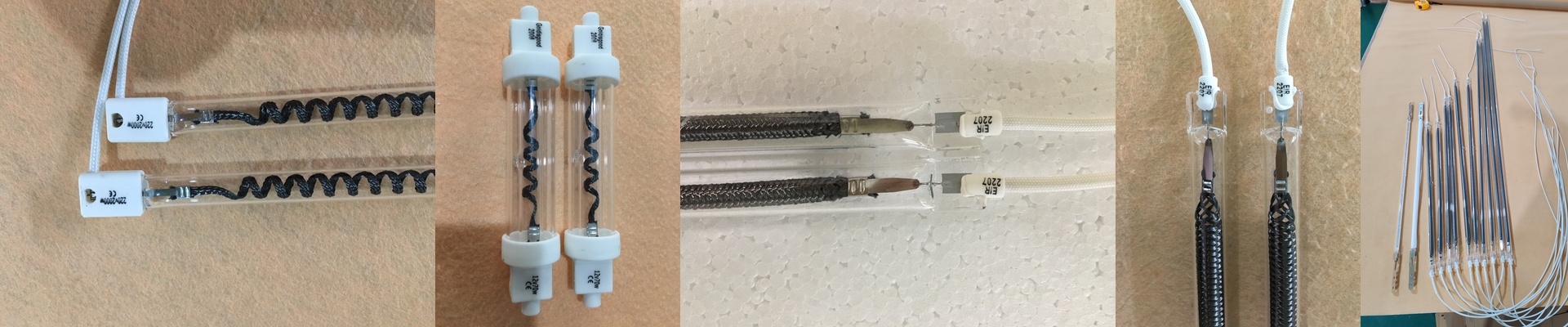
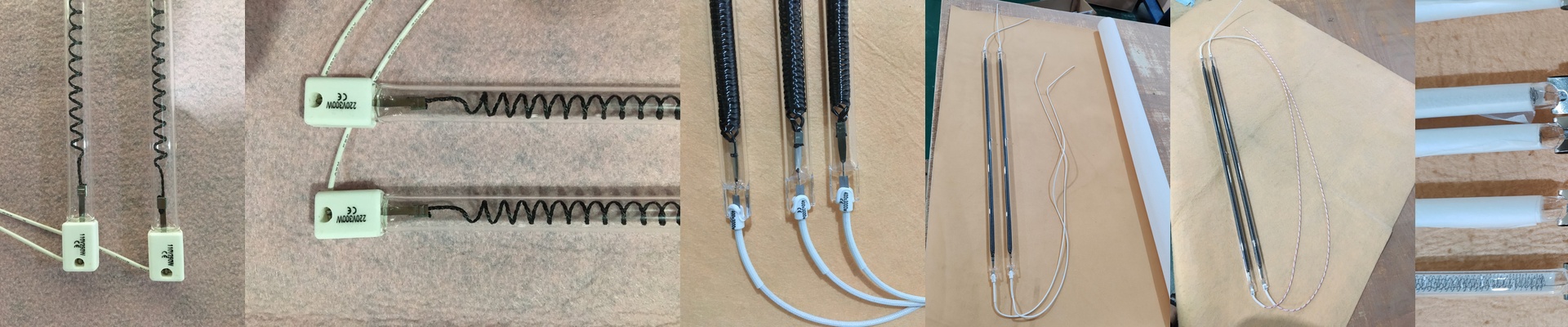
Let’s get into the details that matter on the job. A typical unit runs on 400V and pulls 2500W, packing a lot of heat into a small footprint. The tube is 300mm long, so the heat stays focused where you point it—no wasted energy, no unnecessary heat spread. That high voltage at this wattage isn’t an accident. It lets the filament stay thin and keeps the current lower while still delivering serious power. The payoff is fast ramp-up. The catch is that your control panel and wiring have to be rated for it. Use the right fusing and insulation, and make sure the socket and lead-in are spec’d for 400V.
Built to Last: Filament, Quartz, and Connections
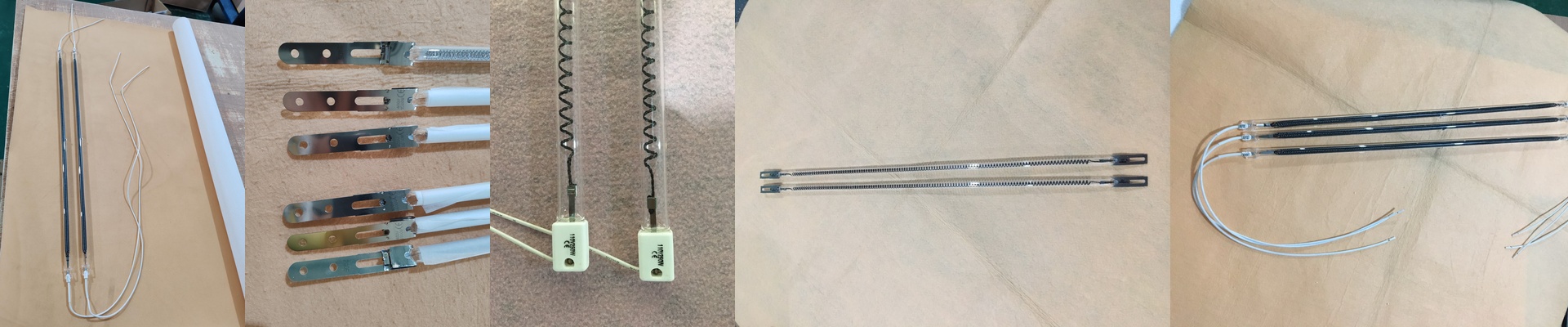
The heart of it is the carbon fiber filament inside a quartz envelope. Carbon fiber takes thermal shock better than a lot of metals, which means the lamp can be switched on and off over and over without giving up immediately. The halogen gas inside helps extend filament life by regenerating tungsten, so the tube stays clear and the output stays steady over time. Then there’s the R7s connector. It’s a practical, industrial choice that gives you solid, two-point contact. Easy to mount. Easy to replace. When a lamp goes, you swap it and get back to work—no rewiring the whole setup.
Where It Shines: Efficiency, Control, and Easy Installation
These lamps really shine where you need fast, focused infrared heat—think PET blowing, thermoforming, adhesive curing, and drying parts. The shortwave infrared hits the target directly, so warm-up time drops and your cycle consistency improves. You get predictable heating in a small package, and replacements are straightforward. But here’s the thing: with 2500W packed into a 300mm tube, you’re dealing with serious heat density. Plan your shielding, ventilation, and thermal management from the start. That way, the lamp does its job reliably, and the rest of your machine doesn’t get pushed past its limits.