What Really Matters Under the Hood
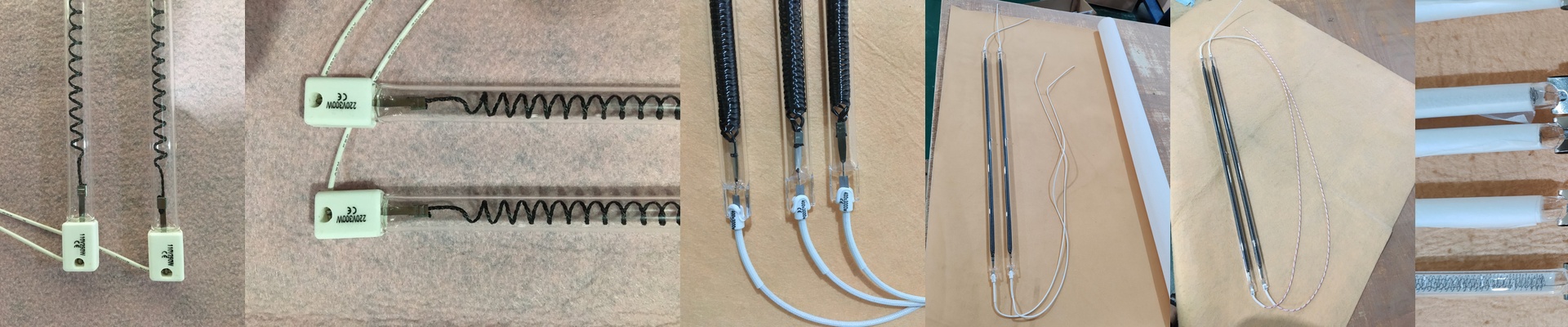
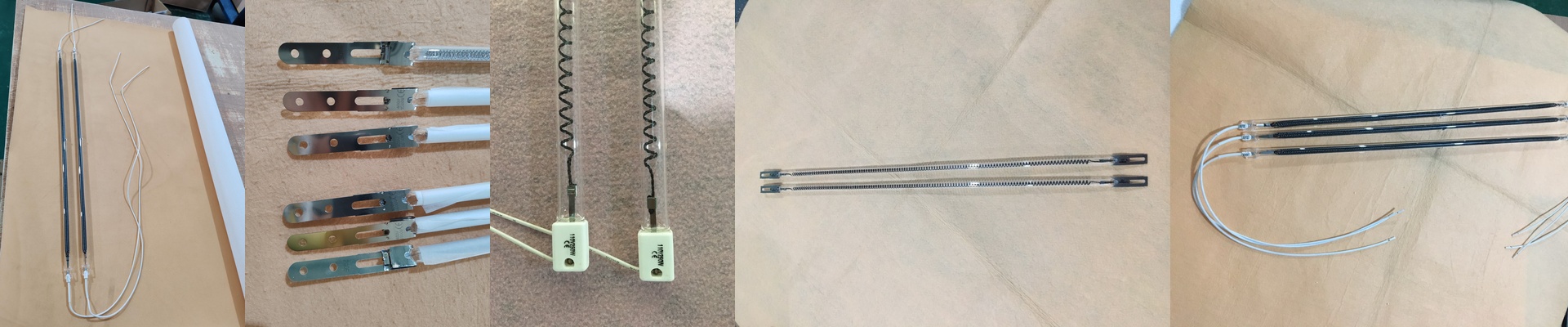
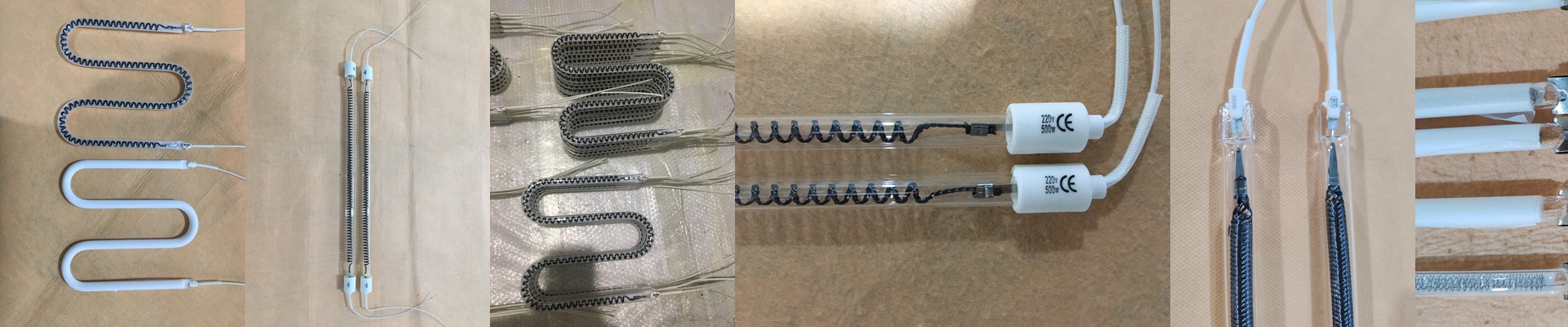
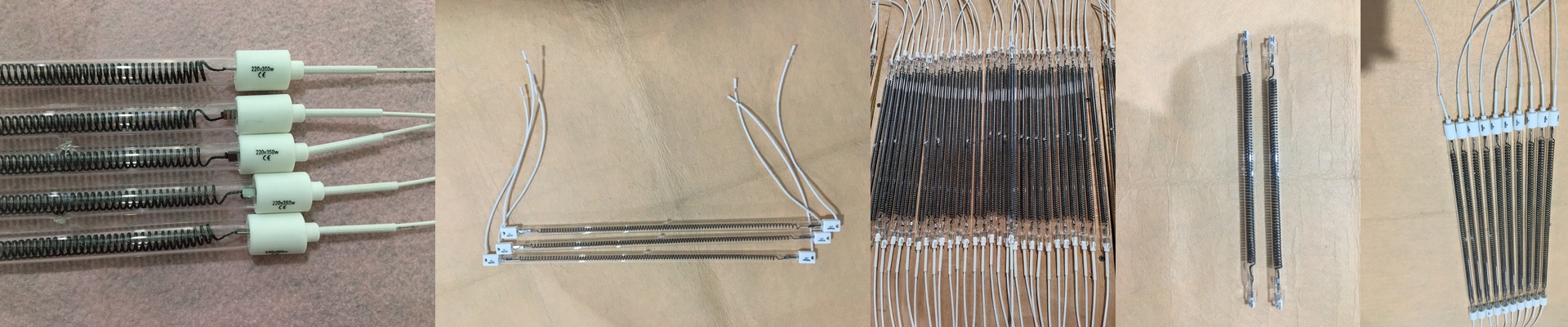
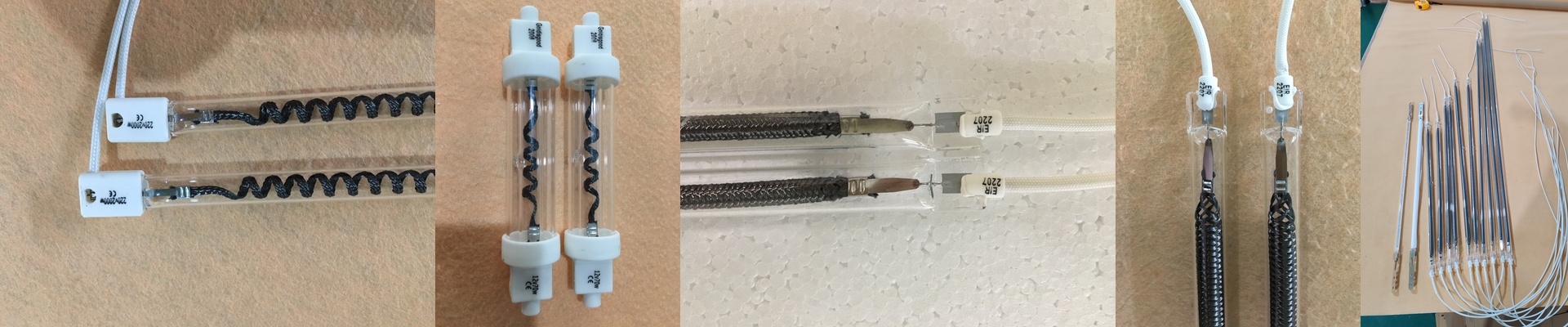
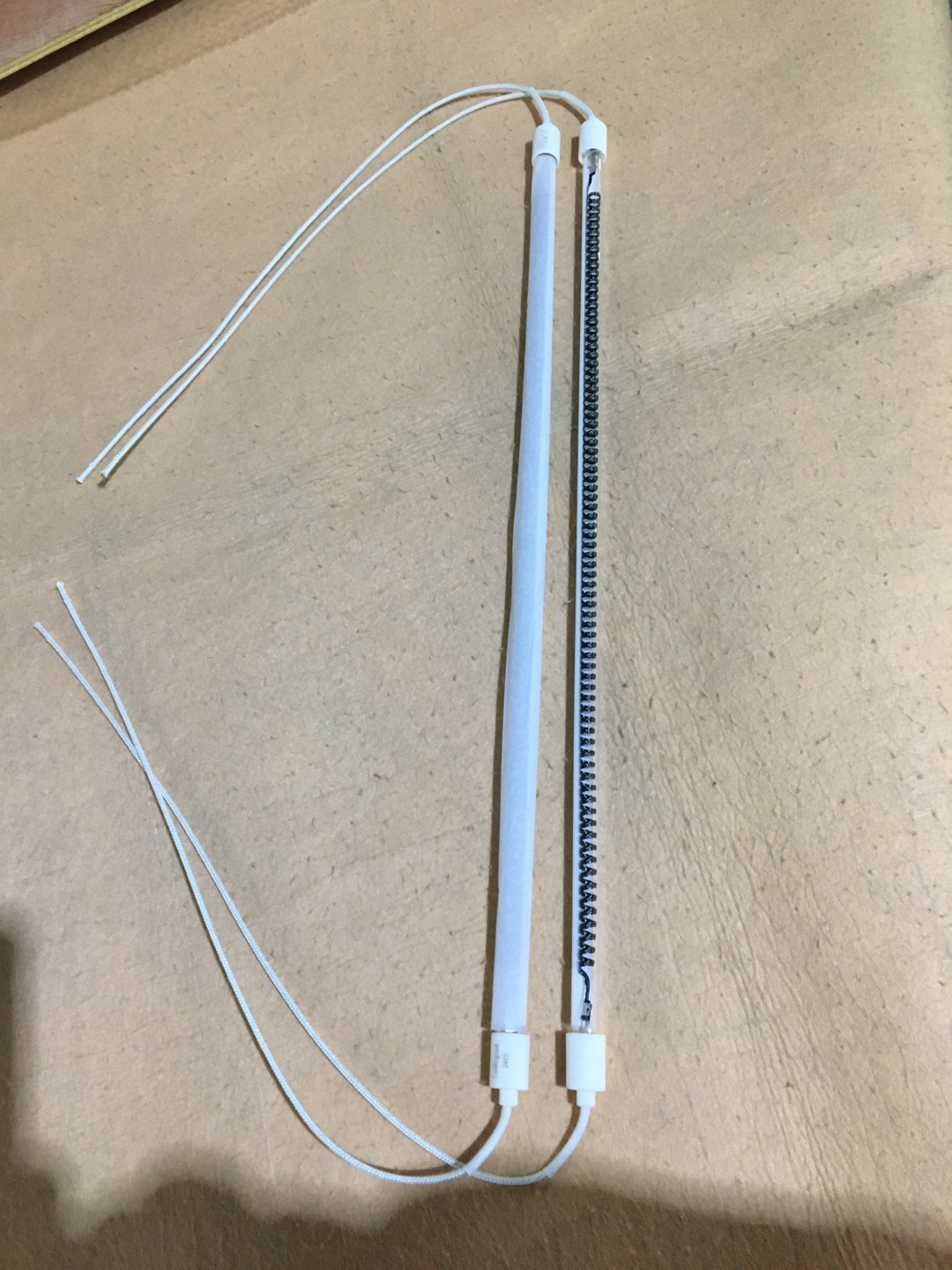
Here’s the thing about our sauna carbon heater panels: we built them around one clear goal—getting you warm, fast. The heart of it is a carbon element designed to pour out high-intensity infrared. Each panel typically runs in the 1–2 kW range, and that power density is exactly why the surface hits target temps so quickly. In practice, that means your sauna room comes up fast, without that long, impatient wait. Voltage is chosen to match your setup, whether you’re on 110V or 220V. The design keeps resistance stable across the full length of the carbon, so you don’t get voltage drop at the terminals—the kind that kills cheaper heaters over time.
Why Carbon, and Why That Coating
We went with carbon instead of traditional nichrome for one simple reason: surface area. Carbon gives you a broad, gentle heat that sits in the far-infrared range—the kind that feels like it’s sinking into your muscles, not just warming the air. And that quartz tube? It’s way more than protection. It seals the carbon away from oxygen, so it doesn’t oxidize and burn out. Inside, a halogen gas fill helps keep the element stable, so it can run hotter without breaking down. On the outside, we use a special high-temperature coating. It handles thermal shock and keeps the quartz from getting brittle when the heat cycles quickly. Even the connectors are industrial-grade, because when you’re pulling serious current, you can’t afford to mess around with arcing.
From the Engineer’s Seat: What It Feels Like in the Real World
Out in the field, you want a heater that installs clean and keeps its head when it’s used day after day. The carbon panel spreads heat evenly, so you don’t get those hot spots you see with ceramic heaters. That means the sauna walls stay consistent—no cold patches, no surprises when you sit down. It also makes life easier for your control electronics. Because the element holds steady resistance, the current stays stable, which keeps thermostat calibration simple and predictable. That said, there is one trade-off: heat. A carbon panel at full power creates noticeable localized heat, so the mounting surface and nearby materials need to be rated for the temperature. Get the spec right and give yourself proper clearance, and you end up with a heater that just keeps going—reliable, durable, and low-fuss.
The Reality Check: Where the Trade-offs Show Up
Carbon delivers serious heat density, but that comes with a need for smart heat management. The mounting frame and wiring have to be built for continuous high-temperature duty. If your installation spot has tight airflow, you’ll want to dial the power rating down to keep the control box from cooking. We design these as drop-in replacements for standard sauna heaters, but always double-check clearance to anything combustible. That one detail—clearance—is the practical boundary that keeps the whole system dependable for the long haul.