Let’s Talk About Carbon Fiber Infrared Heaters
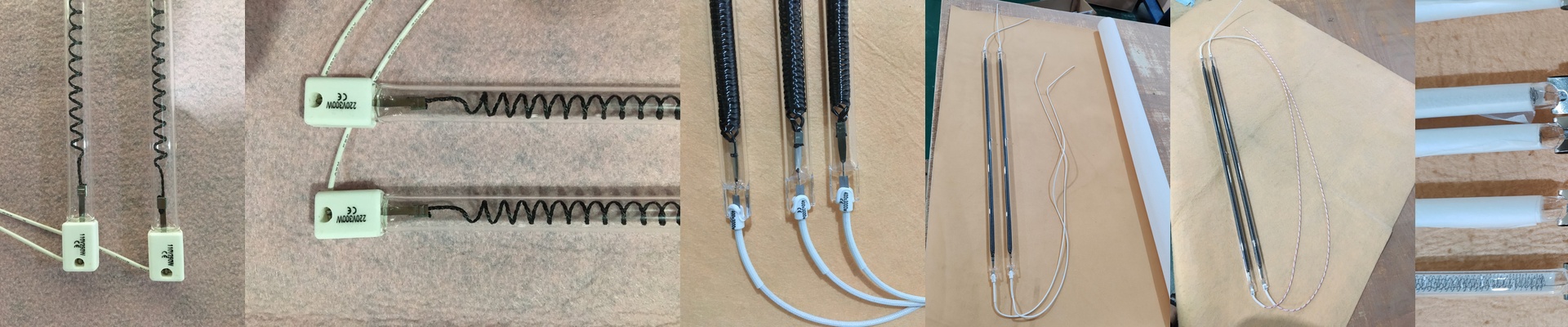
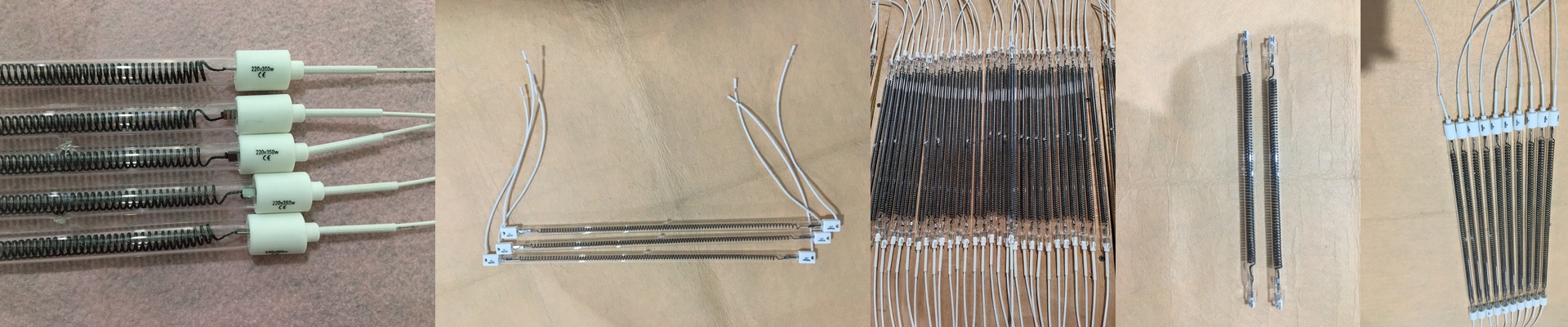
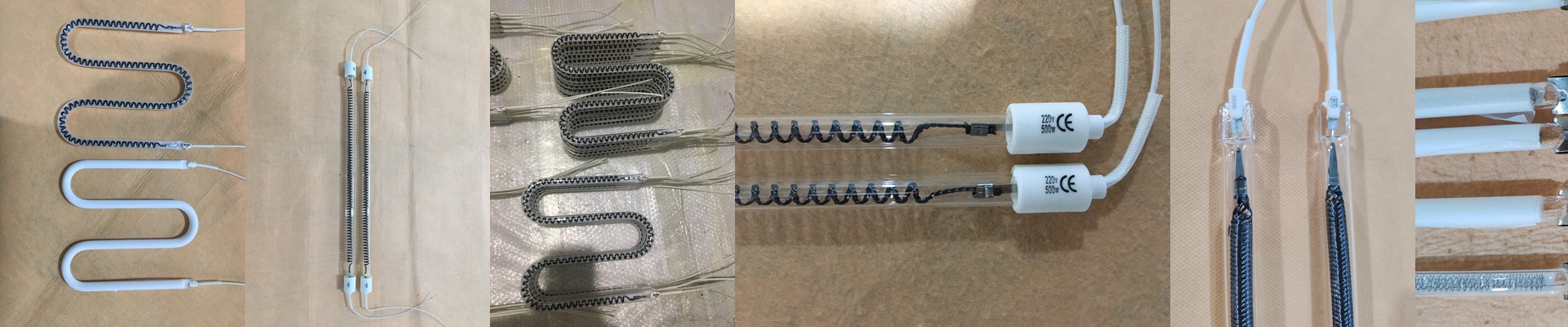
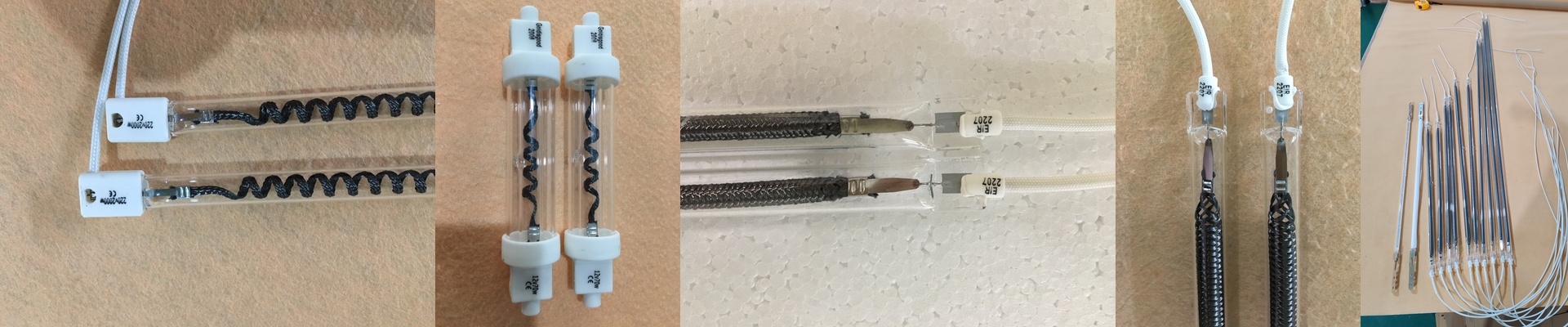
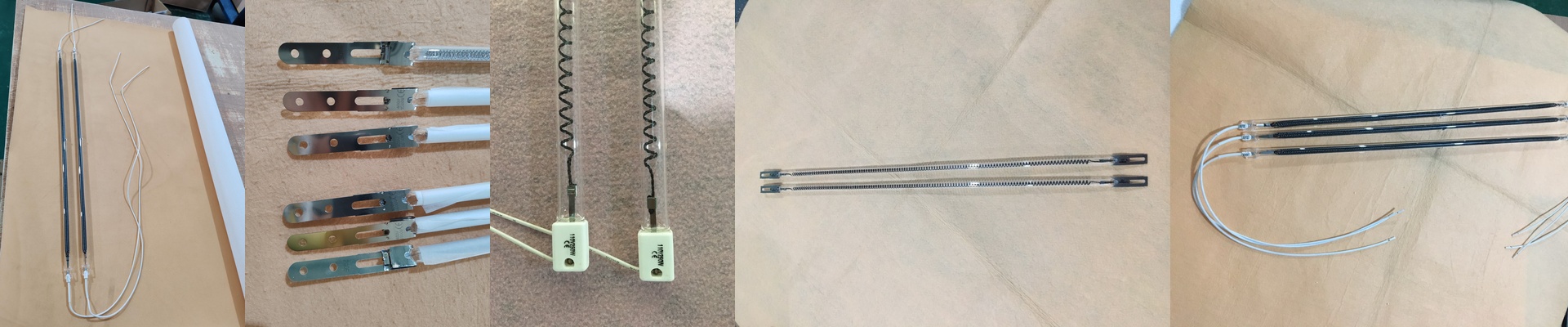
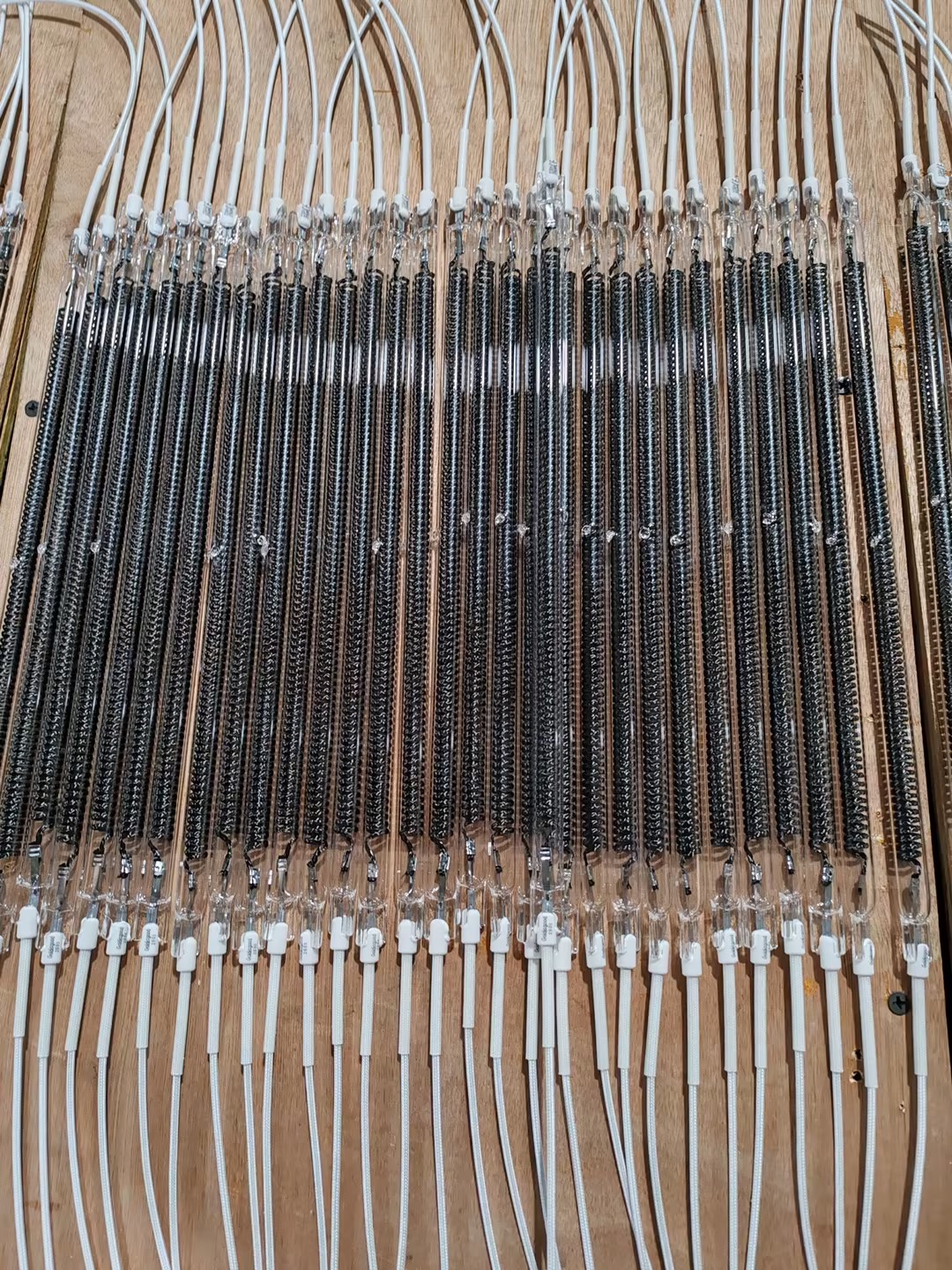
Here is the deal with our carbon fiber far infrared (FIR) lamps: they don’t just blow hot air around. Instead, they use radiation. Inside a high-purity quartz tube, we’ve got a carbon fiber filament doing the heavy lifting. Because it works with longer wavelengths, the heat actually sinks deep into your materials. You get a thorough heat-through without accidentally scorching the surface. Getting the power right When you’re picking your wattage and voltage, you’re basically deciding how much heat flux you want per millimeter. If you’re running a heavy-duty industrial line, we usually stick to voltages that already match your grid. It saves you from having to lug around bulky transformers. Just a heads-up: keep an eye on your wiring. If it can’t handle the current draw, those terminals are going to get way too hot. The build and the “click” The quartz tube isn’t just for show—it keeps the carbon filament from oxidizing. We also add gold or aluminum reflectors to push those infrared rays straight toward your workpiece. It’s all about focus. For the connections, we use R7s or SK15. Why? Because they’re drop-in replacements. If a lamp burns out, you can swap it in a few minutes and get back to work. Plus, carbon fiber is tougher than tungsten when it comes to thermal expansion. It can take a beating during those rapid on-off cycles without giving up. Real-world use (and a warning) You’ll see these all the time in PET blowing, paint curing, and plastic welding. The magic is that the core of your material hits the target temperature before the “skin” even has a chance to melt. But here is something you need to watch out for. The more heat density you pump into that tube, the more stress it feels. If your mounting clips are clamped on too tight, the glass will crack as it expands.**Give the tube a little room to breathe.**A small gap makes all the difference between a working machine and a broken lamp.