Getting Your Brake Pad Curing Right (Without the Headaches)
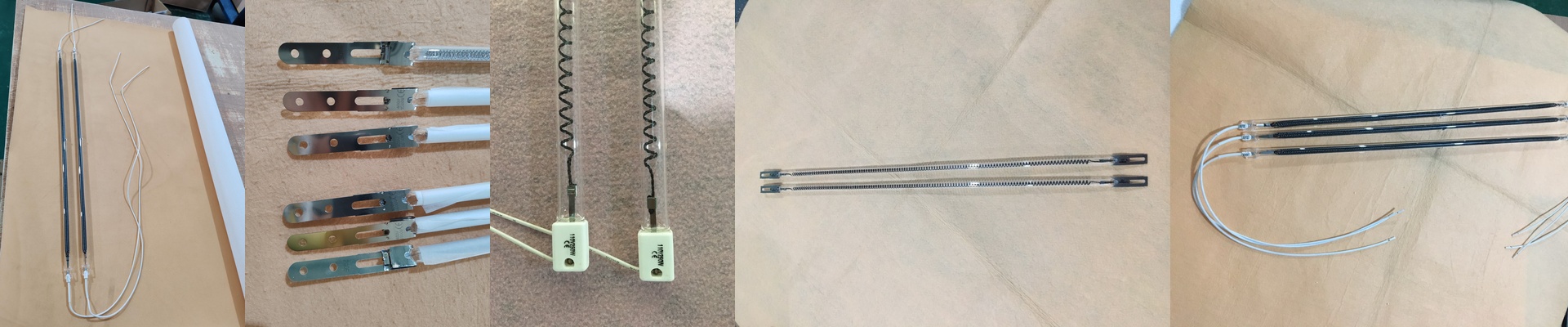
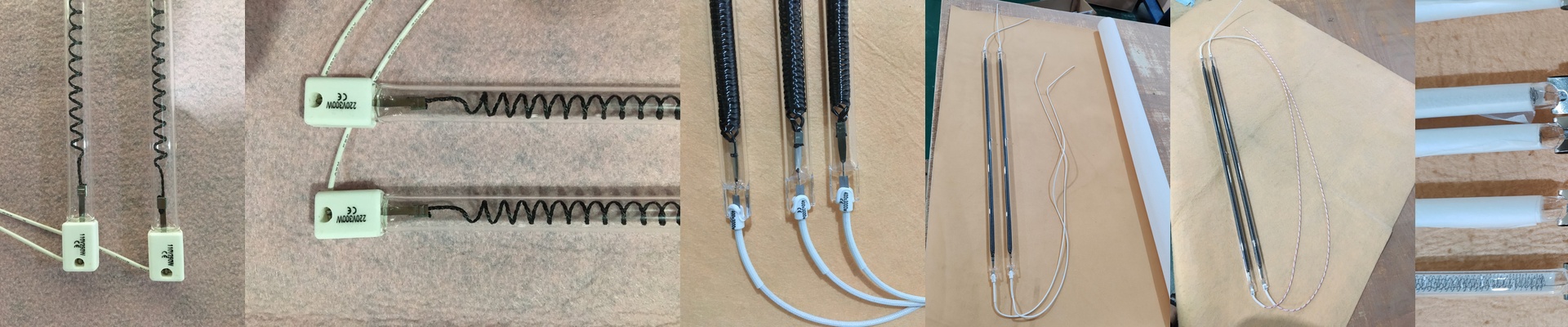
If you’ve ever run a 24-hour production cycle, you know the drill. One tiny dip or spike in heat and suddenly your resin isn’t polymerizing right. You end up staring at a pile of scrapped parts and a lot of wasted time. It’s frustrating. That’s why we build our infrared (IR) modules the way we do. They aren’t just “off-the-shelf” heaters; they’re built for the grind of continuous, high-intensity work.
Why your power might be lying to you
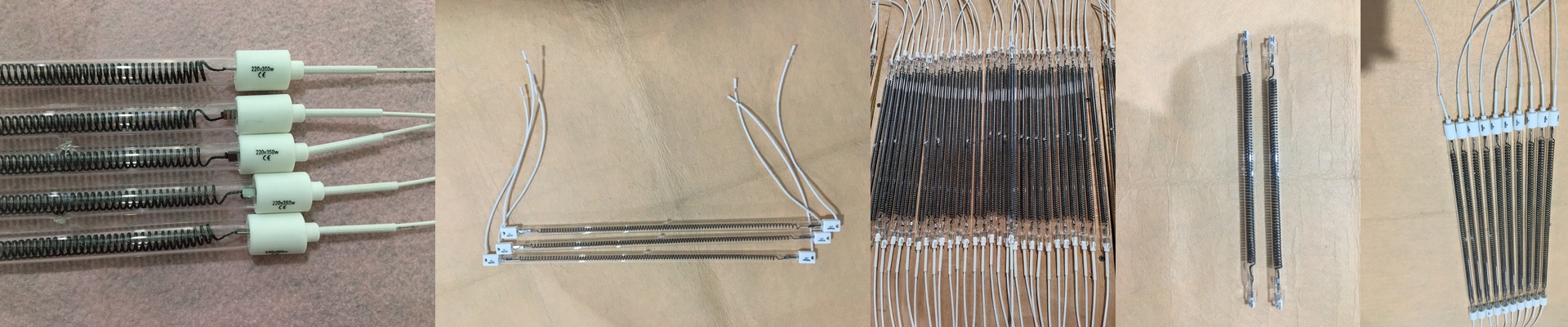
Most people think the lamp is the only thing that matters. But here’s the thing: if your power supply and your heating element aren’t perfectly in sync, you’re going to have problems. Long production lines are notorious for voltage drops. To fight that, we use high-grade quartz envelopes and precision-wound filaments. The goal is a flat wattage line. No “drift,” no surprises—just steady heat that doesn’t wander off while you’re not looking.
Built for the 24/7 hustle
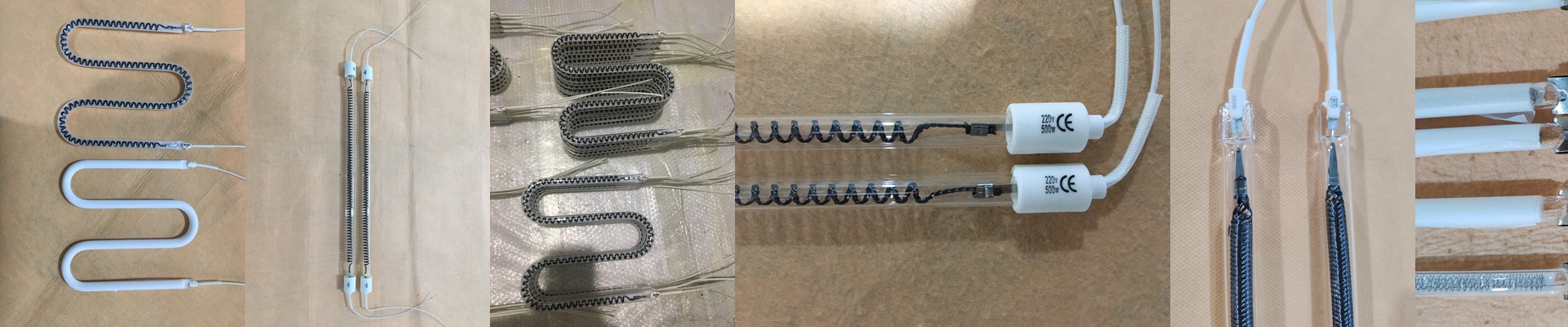
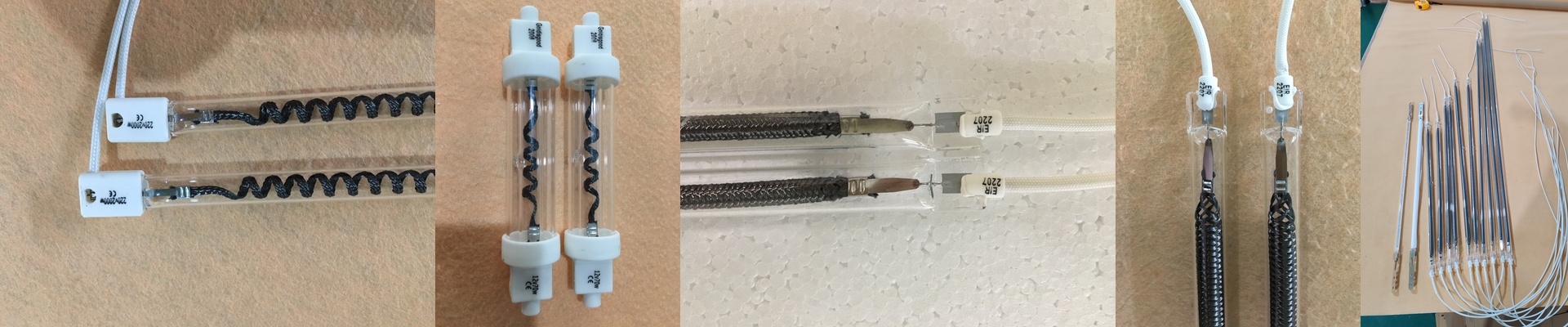
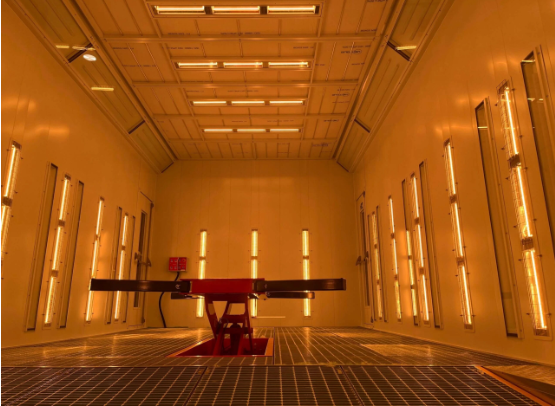
Industrial floors are brutal. Everything gets beaten up. We stick with shortwave IR because it actually digs deep into the brake pad material. It’s faster than longwave, which means you can shrink the size of your oven and reclaim some floor space. But we don’t stop at the lamp. To keep things from burning out, we use heavy-duty connectors and wiring that can actually handle the heat. We even add specialized coatings to the quartz. This keeps the energy focused on the friction material, so you aren’t wasting power heating up your conveyor frame.
The balancing act: Heat vs. Cooling
Here is the trade-off. High-intensity modules pack a massive punch, which is great for getting more pads out the door. But all that heat has to go somewhere. If you’re running at max capacity around the clock, your cabinet cooling has to be spot on. If the air isn’t moving around the lamp ends, you’re looking at melted sockets or a dead filament. It’s a quick way to kill a perfectly good module. The best way to handle this? Pair it with a stabilized PID controller. It keeps the cycle tight. You’ll know the pads are hitting the target temperature every single time, whether it’s hour one or hour twenty-four.