Stopping the Warp: A Real-World Look at Automotive Thermoforming
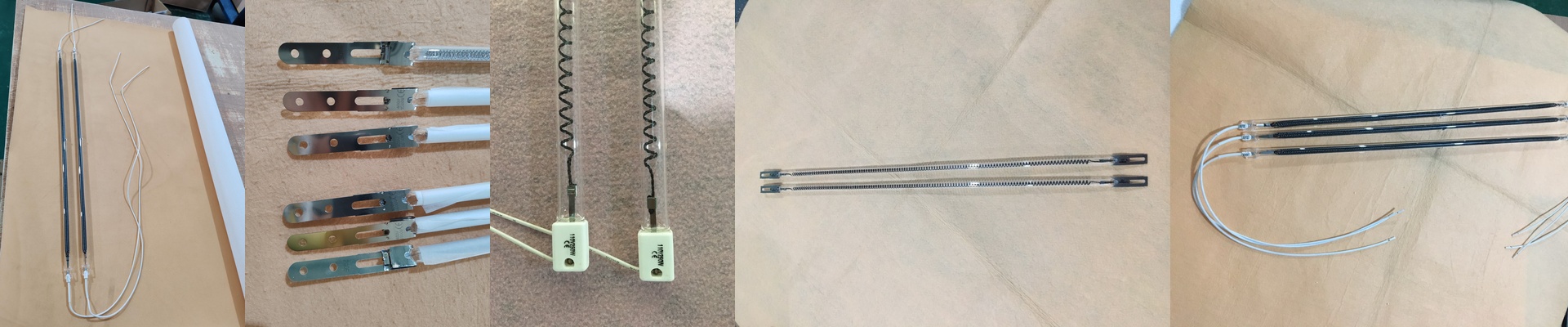
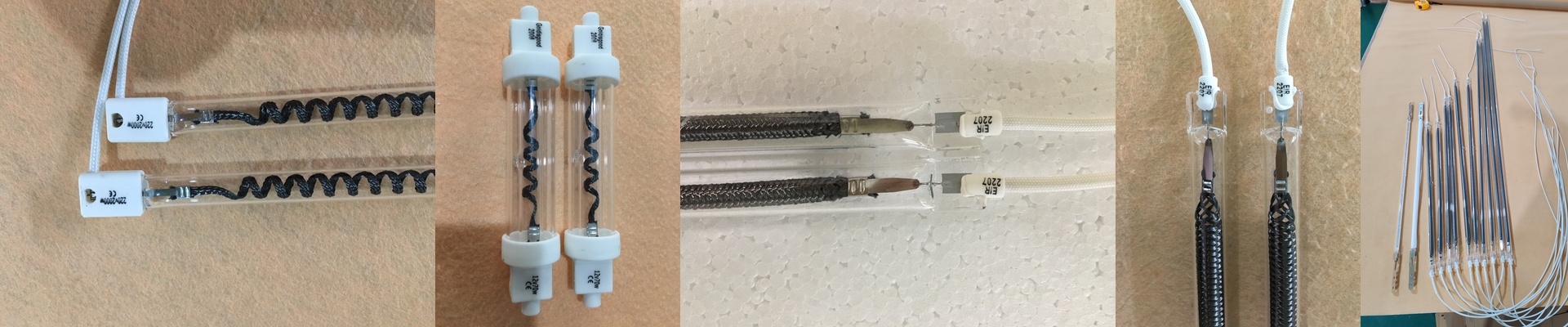
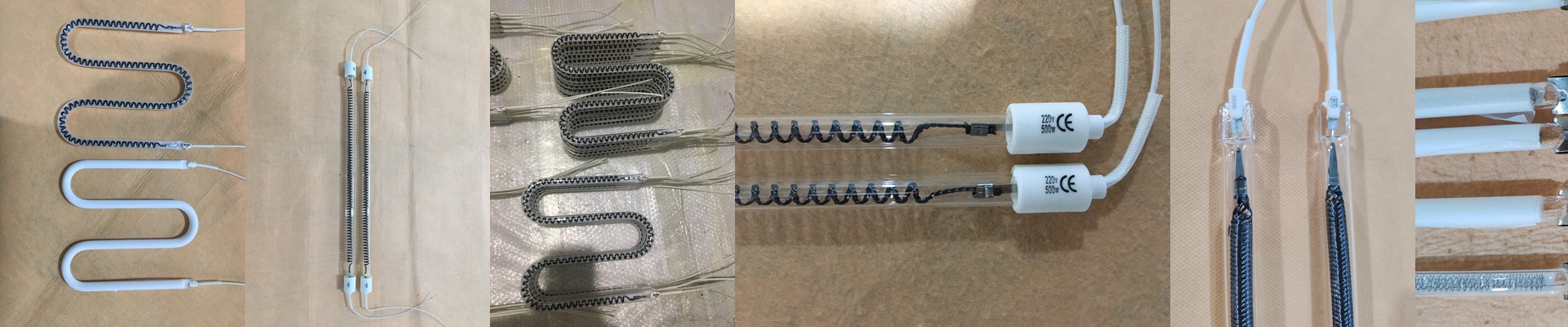
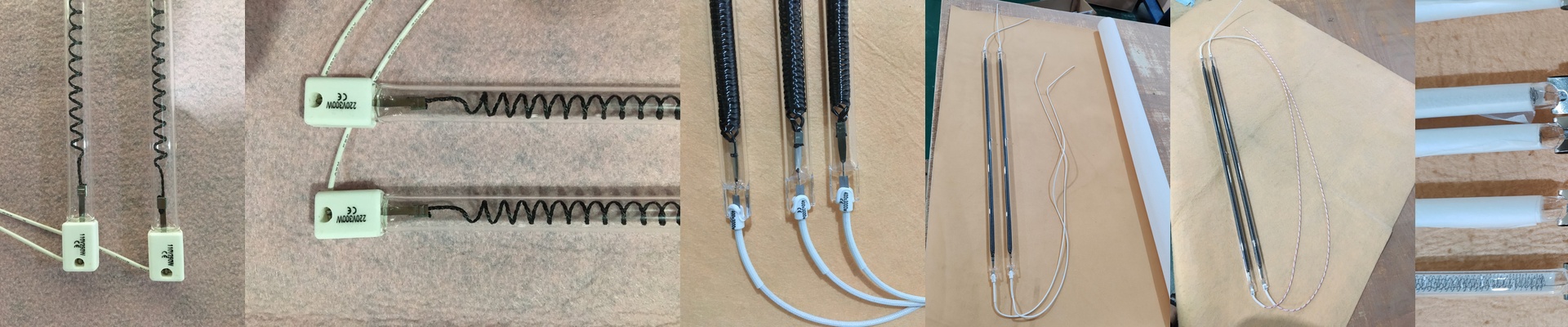
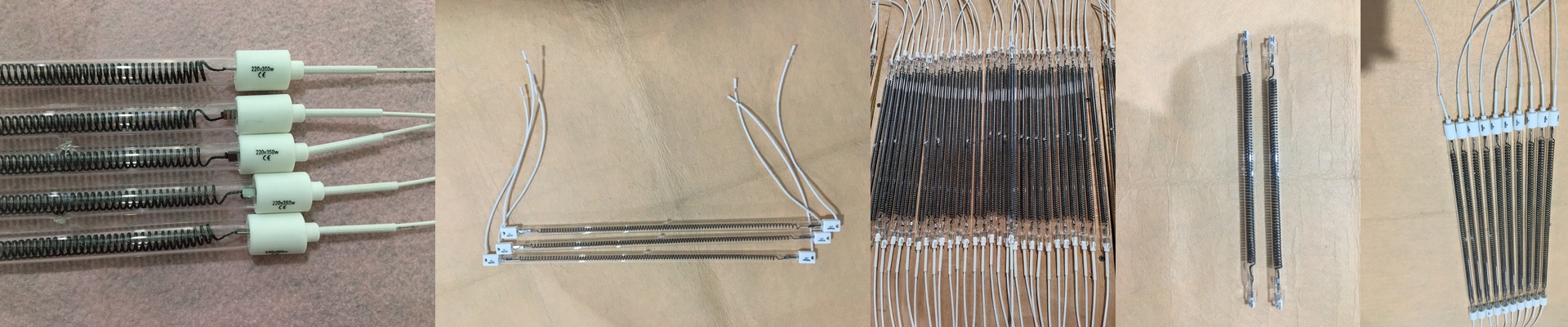
Ever pull a part out of the mold only to watch it slowly twist or spring back right in front of you? It’s frustrating. Most of the time, it happens because the material is still holding onto internal stress that didn’t get shaken off during the heating phase. If you want those parts to actually stay where they’re supposed to, you can’t just “heat the plastic.” You have to be way more intentional about how that heat hits the surface. The Secret is in the Zones Here is how we handle it: Infrared (IR) zoning. Instead of just blasting the whole piece with one big wave of heat, we break the heating array into independent zones. Think of it like a custom map. You can crank up the energy for the thick, chunky sections and dial it way back for the thin edges. When the heat matches the actual shape of the part, you stop those uneven shrinkage patterns. It’s less about “temperature” and more about managing where the stress lives in the material. Getting the Tech Right To make this work, you need high-density IR emitters and a multi-channel PID controller that actually listens. You want tight tolerances. If your array is too basic, you’ll end up with “hot spots” that scorch the material or “cold spots” where the plastic just won’t form. It’s a headache you don’t need. We usually suggest short-wave IR. It digs into the core of the plastic much faster, which means your cycle times drop. It’s just faster. The Catch: Heat vs. Air But there’s a trade-off. Those high-density arrays put out a ton of ambient heat. It’s great for killing internal stress, but it’s tough on your gear. If your ventilation isn’t strong enough to pull that heat away from your electronics (and your operators), your sensors will start to drift. You can’t just add more wattage and call it a day. You have to balance the power of your IR zones with the actual airflow of your exhaust system. That’s the only way to keep the whole process stable.