Fixing the “Spring-Back” Headache in Auto Interiors
Ever pull a part out of the cooling fixture only to realize it’s warped? Or maybe it just won’t sit right in the jig. It’s frustrating. Usually, this happens because the part was heated unevenly. Those internal stresses get locked in while the plastic cools, and the material basically fights you, pulling itself out of shape. We’ve found a way to stop that fight using zoned infrared (IR) heating.
Stop treating your parts like a single block
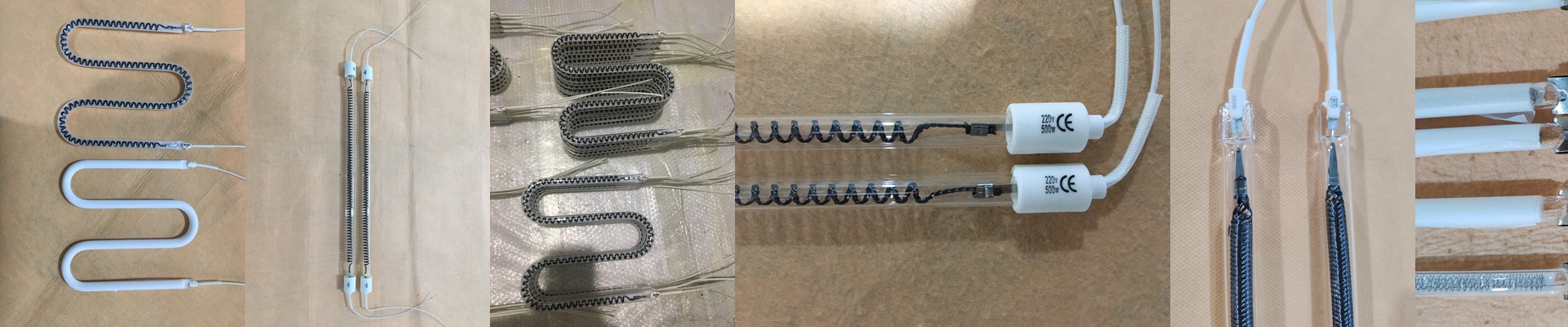
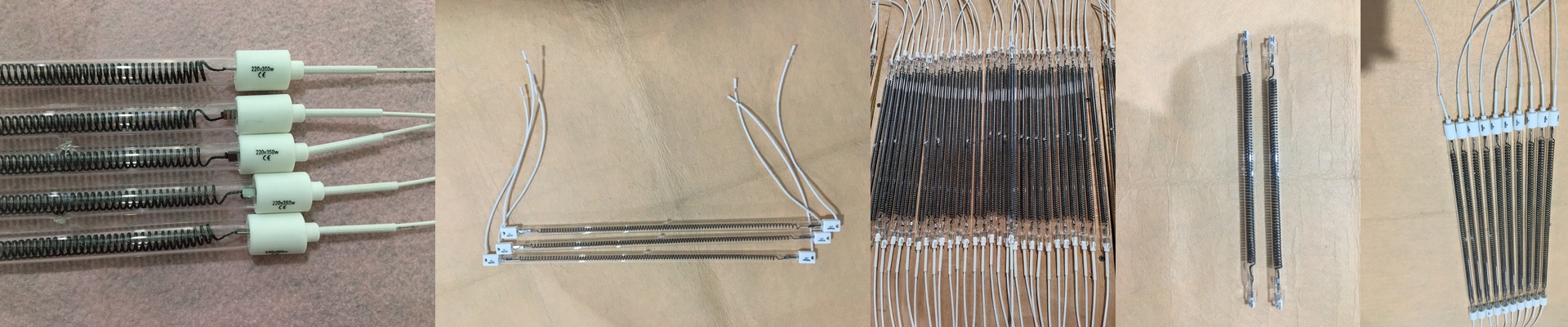
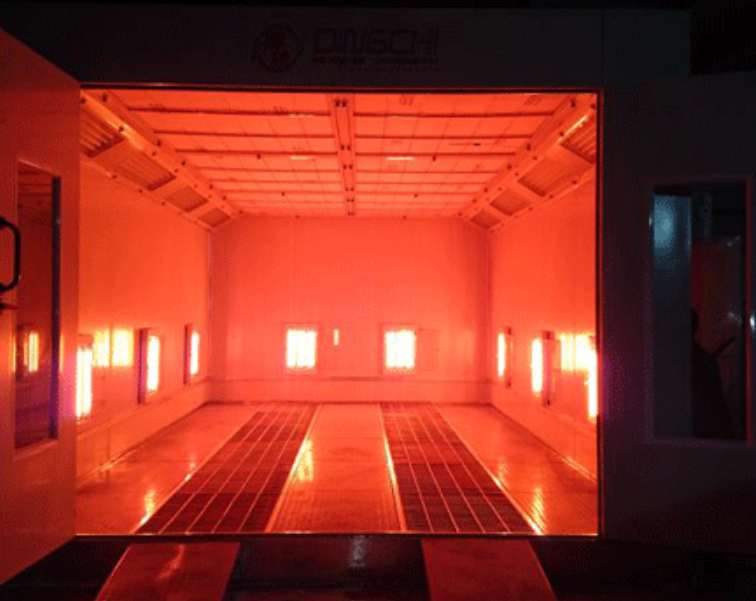
Most ovens just blast the whole part with the same amount of heat. But your parts aren’t uniform—some spots are thick, others are thin. With IR, we can break the heating area into separate zones. This means you can crank up the power for the chunky sections without scorching the thin edges. When the heat is actually balanced across the whole shape, the polymer chains finally relax. No more uneven pulling. The part just stays where it’s supposed to. It saves you from the nightmare of manual trimming or having to throw the whole thing back in the oven.
Making it work on the floor
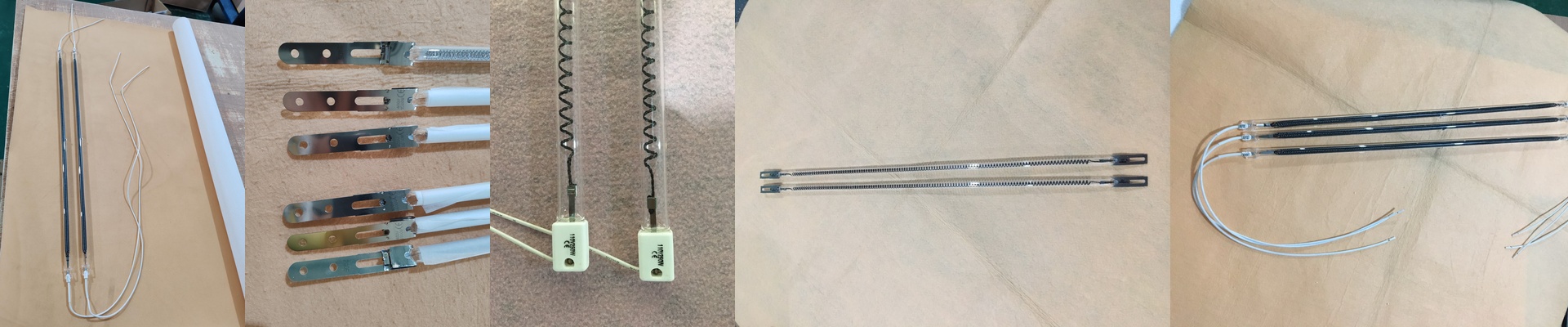
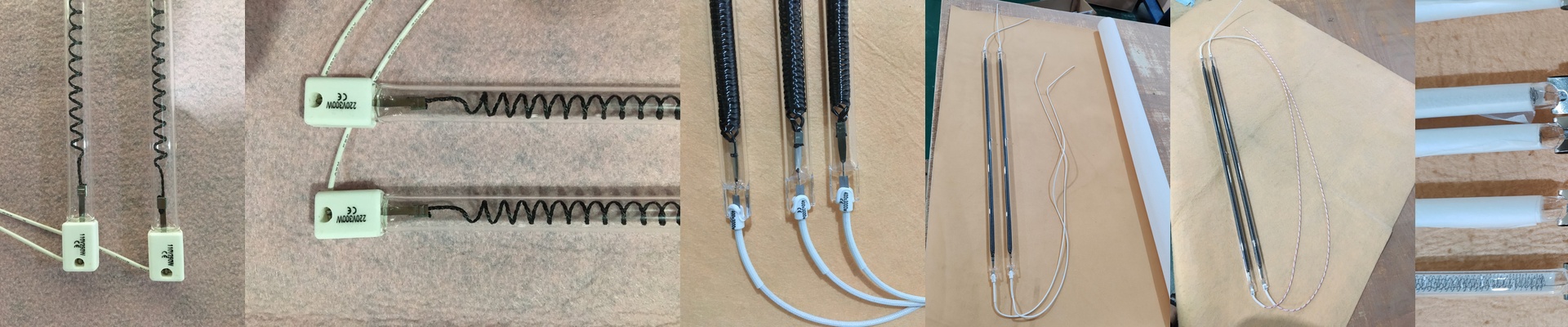
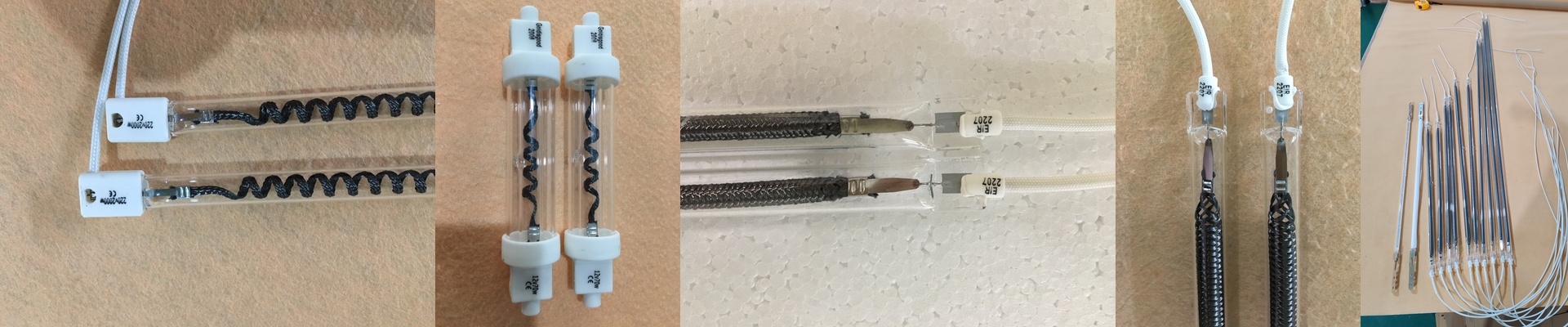
We stick with short-wave IR emitters. Why? Because they punch through the plastic faster and deeper than just blowing hot air around. You’ll want to wire these into a PID controller and give every single zone its own thermocouple. One big tip:watch your distance. If those lamps are too close, you’ll burn the surface skin before the core even gets warm. If that’s happening, just back them off a bit or pulse the power.
The hidden cost of high heat
Here’s the catch. Zonal IR gives you a perfect fit, but it puts a massive strain on your electrical cabinet. You’re running multiple high-wattage zones, so your wiring and contactors need to be beefy enough to handle the peak current. If your cabinet doesn’t breathe, it’ll overheat, and your relays will start dying way sooner than they should. Double-check your cooling fans. Make sure they can actually handle the heat load of the IR array, or you’ll be replacing parts more often than you’d like.