Carbon Fiber Quartz Heater Lamps: High-Density Infrared for Industrial Process Heat
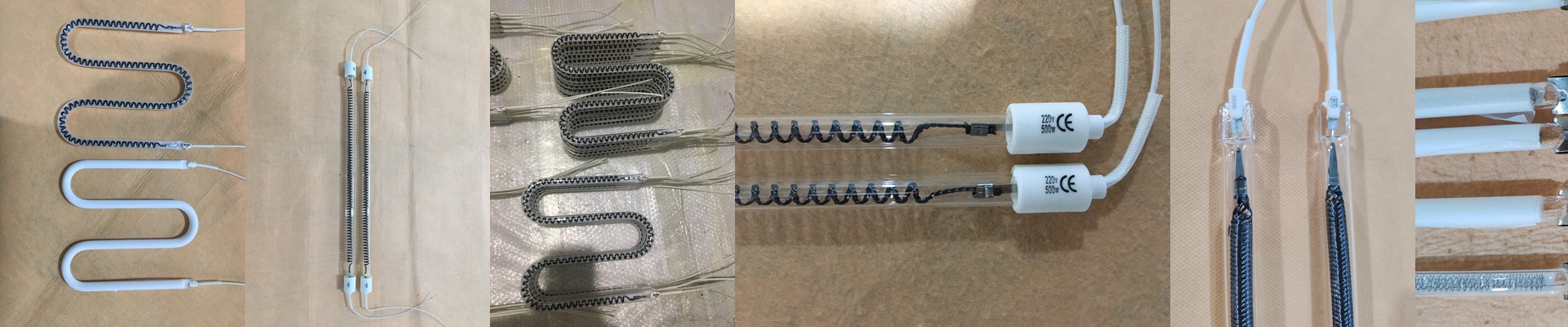
We build carbon fiber quartz heater lamps for one simple reason: to give you infrared heat that’s fast, easy to control, and fits into tight spaces. These aren’t your average bulbs. They’re purpose-built pieces for industrial machines—the kind of places where speed and steady output really matter.
Power, Voltage, and Geometry—Kept Real
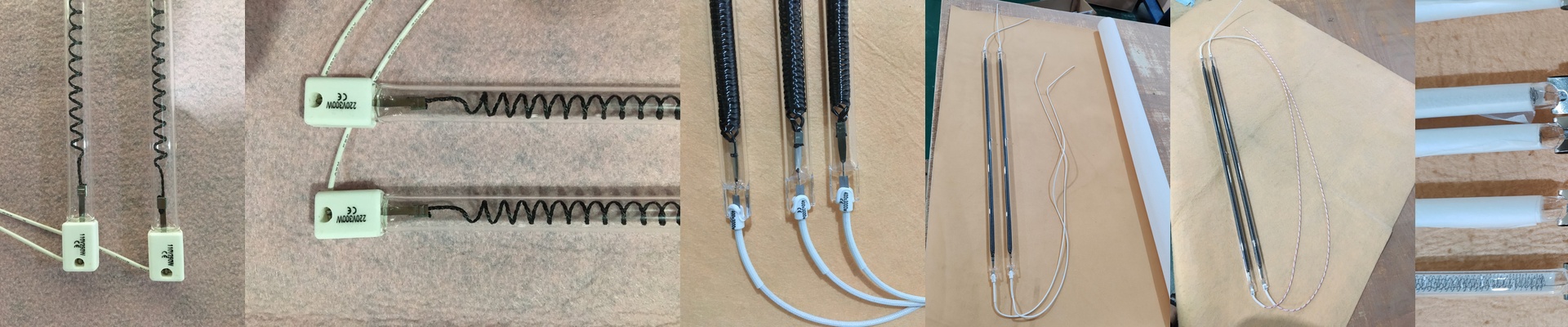
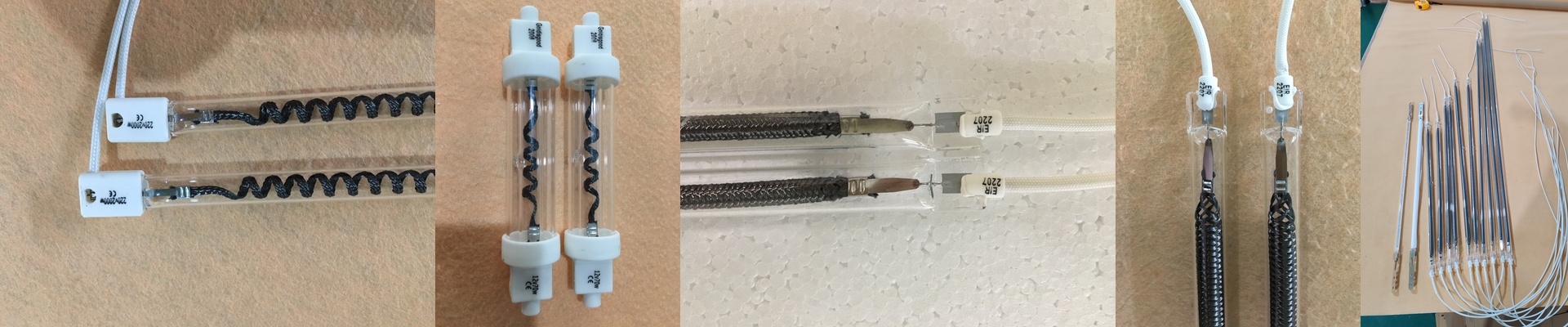
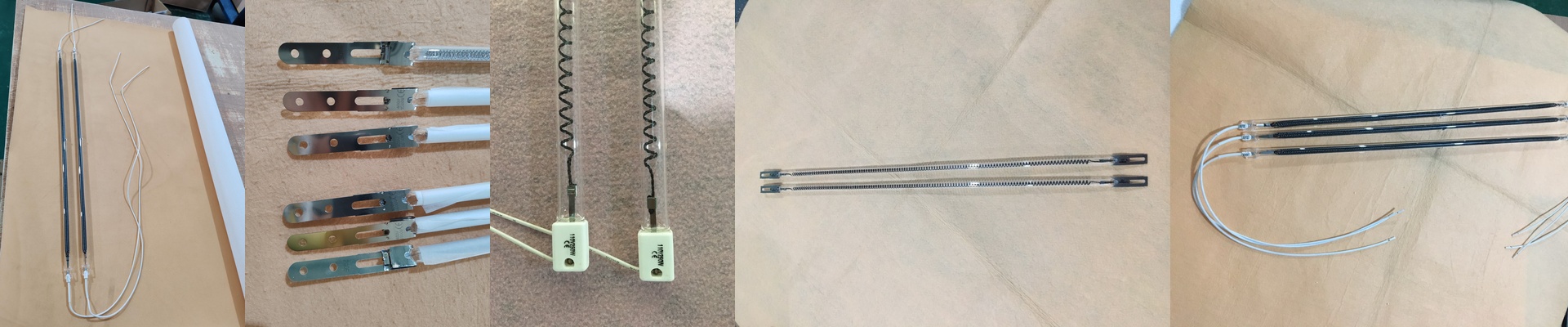
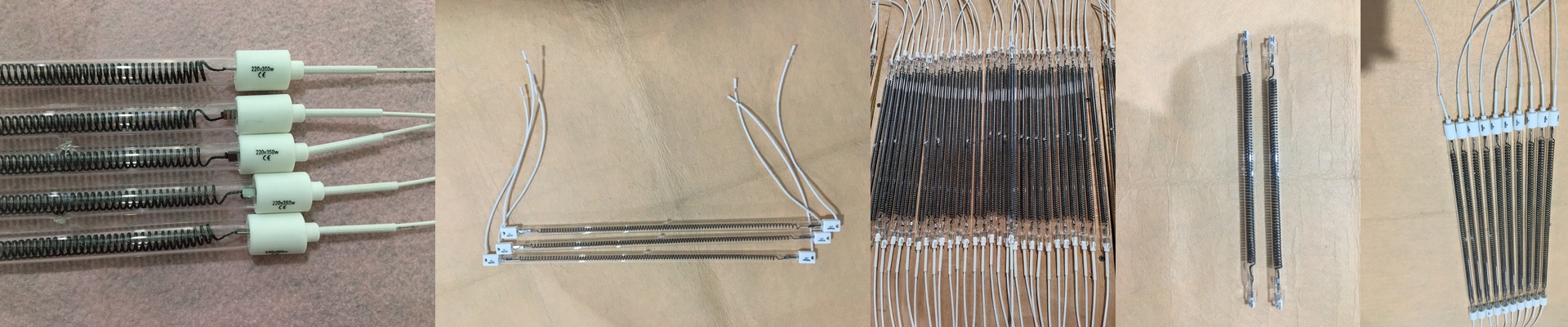
Carbon fiber elements usually run in the kilowatt range—think 1000W, 2000W, or 2500W—because this is about serious heat flux, not gentle background warmth. High wattage packs the energy into a short tube, often around 300mm, so you get a small, focused hot zone you can aim exactly where you need it. Voltage choices like 230V or 400V come down to your plant’s power setup. A 400V 2500W lamp pulls less current than a 230V version at the same power, which means you can use smaller wiring and keep contacts running cooler. But higher voltage does mean you’ve got to treat insulation and safety with respect. And the dimensions? Not random. Shorter lengths and slim diameters make it possible to drop the lamp into crowded heating modules where space is at a premium.
Why the Build Matters
The quartz envelope is there for a reason: it handles thermal shock and high temperatures without breaking a sweat. It also lets infrared pass through efficiently, so more of the energy you generate actually reaches the target. Inside, the carbon fiber heating element gives you a predictable resistance path, so heat output stays stable—as long as you pair it with the right controls. Halogen tech is often added to keep the element temperature steady and performance consistent. And that reflective coating on the outside? It pushes energy forward, boosting intensity on the target and cutting down on wasted side radiation. Then there are the connectors. Industrial setups rely on options like R7s and Sk15 because they’re double-ended, secure, and built to stay put. They hold alignment and keep the electrical contact solid—even when vibration is shaking things up—so you don’t get arcing or loose connections.
Where This Lamp Shines
This configuration is made for processes that need fast, localized heat. In PET blowing, it pre-heats the parison quickly, so your cycle times stay tight. In plastic welding and sealing, it delivers melt temperature on demand without turning the whole frame into a hot zone. You get rapid warm-up, focused infrared output, and a form factor that drops straight into existing fixtures. But here’s the reality check: high power density means your machine has to handle heat rejection. The cooling and airflow need to be matched to the lamp. If they aren’t, the assembly runs hot, and that shortens component life.