A Real-World Look at Carbon Fiber Infrared Lamps
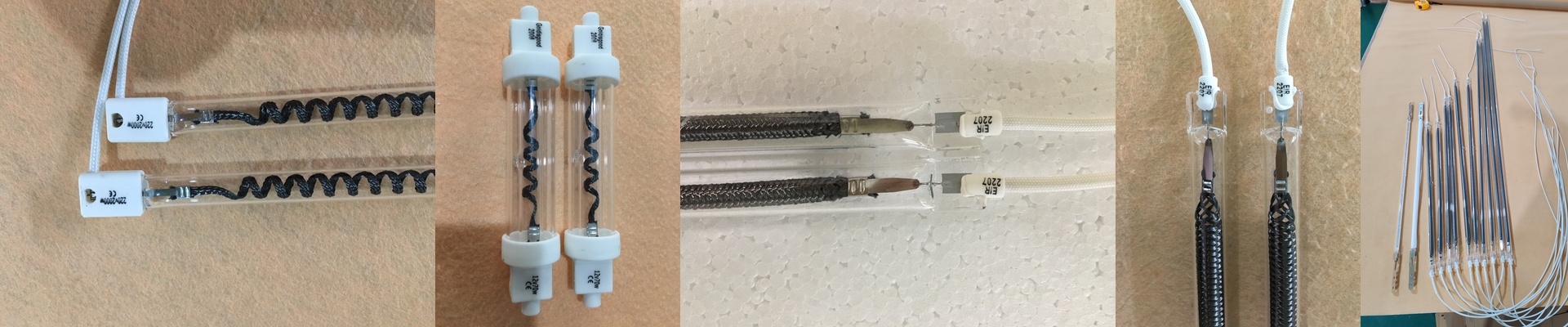
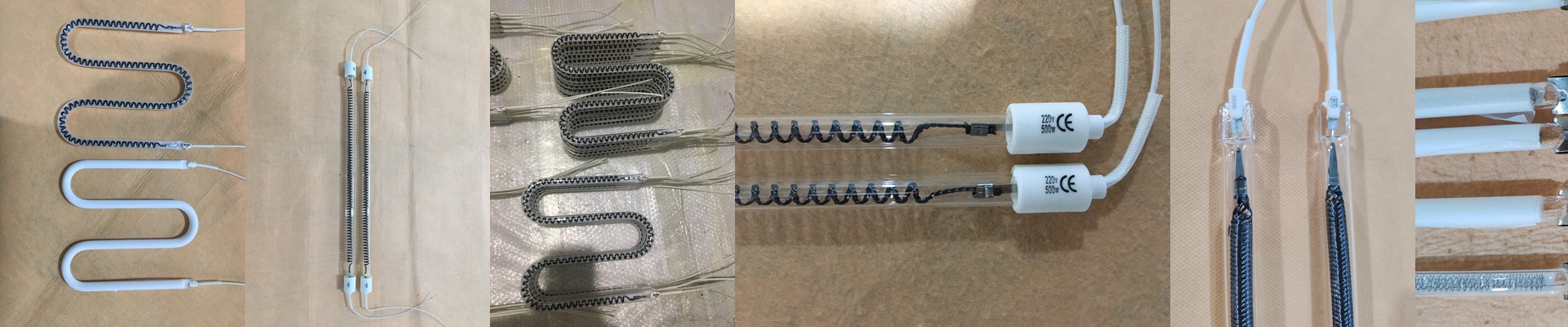
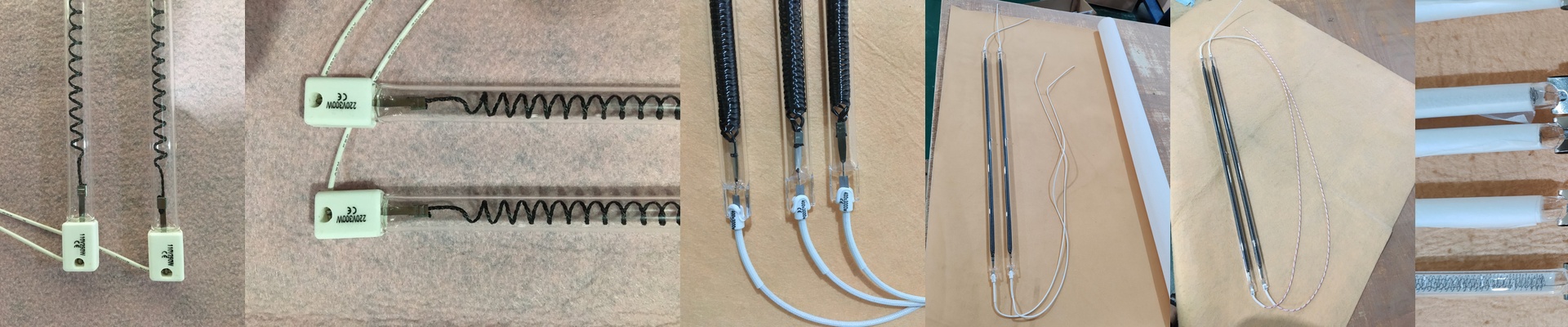
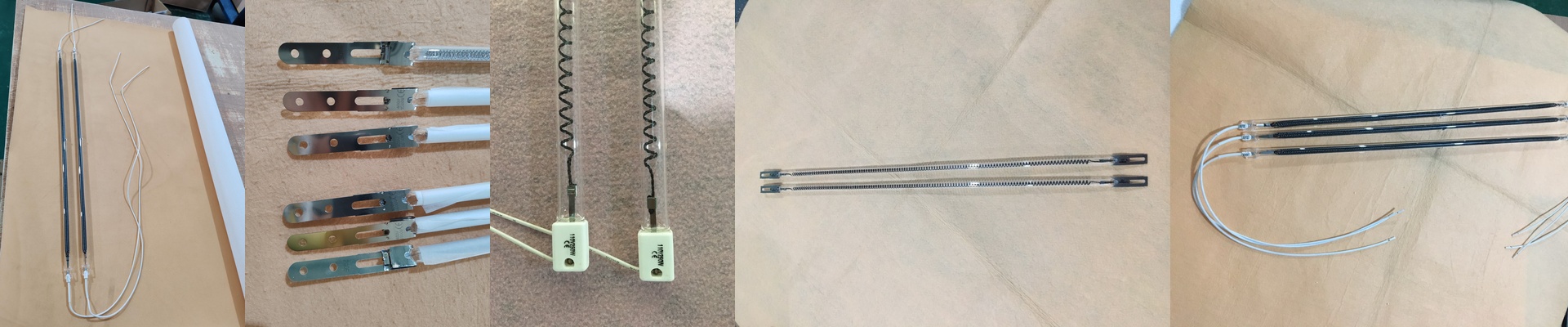
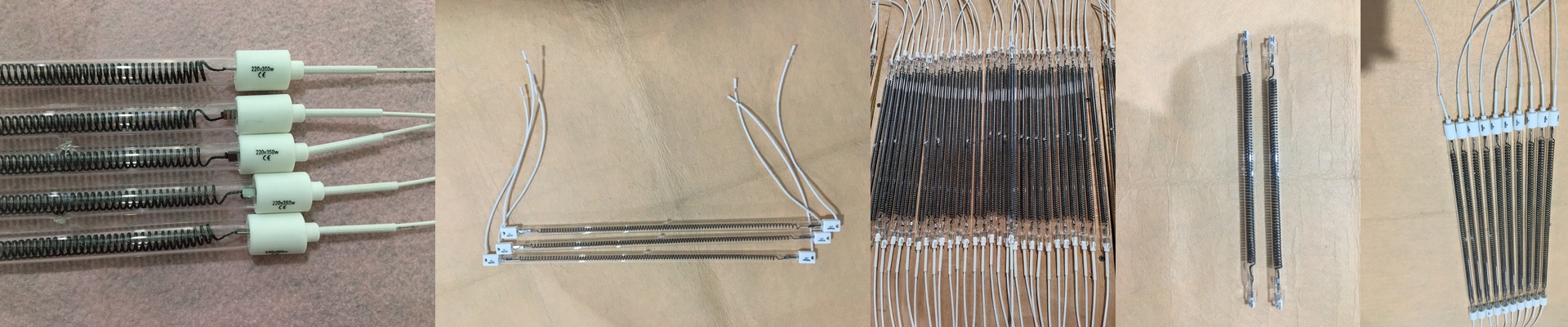
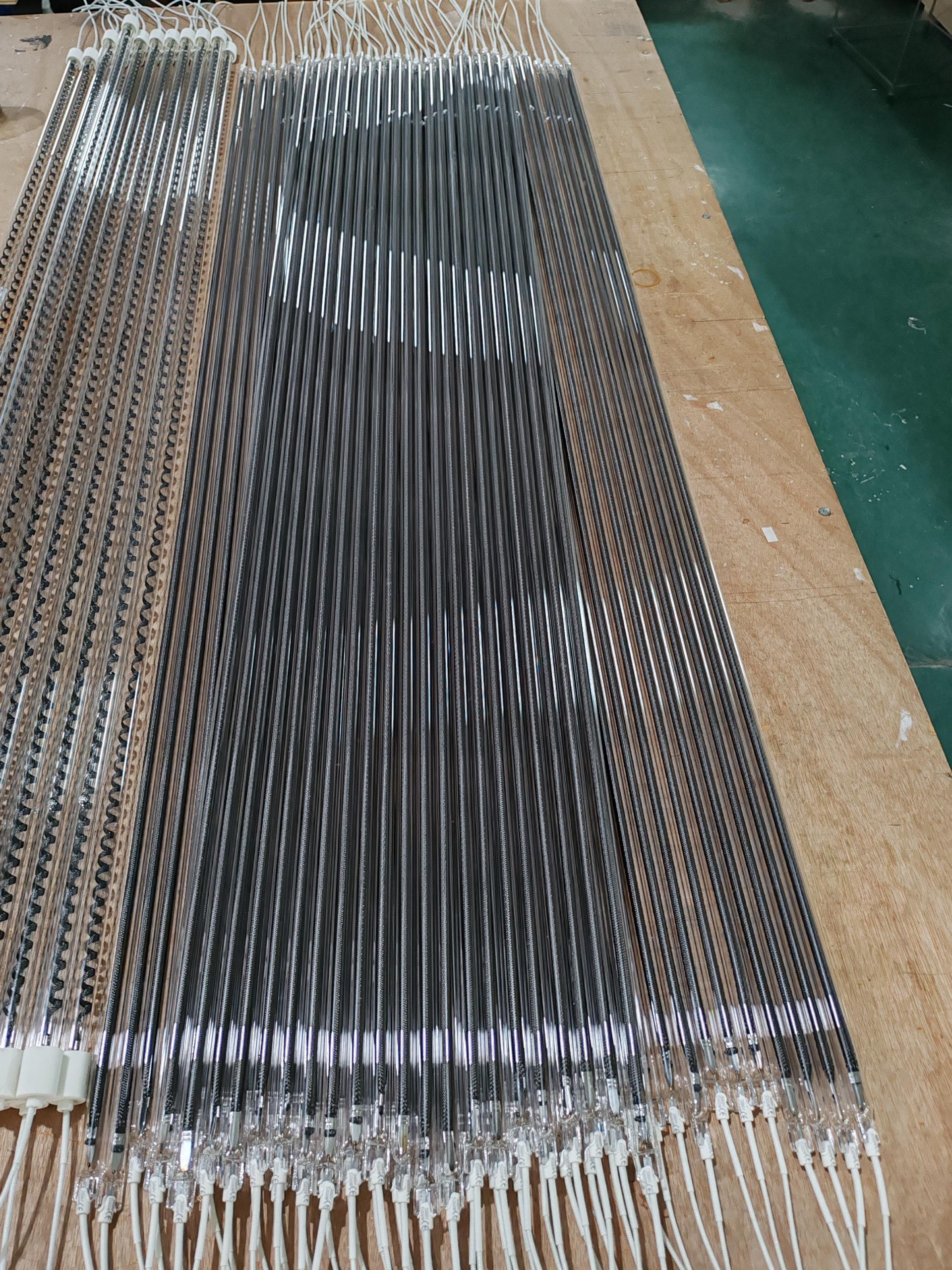
If you’re tired of waiting for your heaters to actually get hot, carbon fiber lamps are the way to go. Basically, we take a carbon filament, tuck it inside a quartz tube, and blast it with power to get some serious short-wave radiation. The magic is in the carbon. It handles way more current than those old metal alloy filaments. For you, that means the lamps ramp up almost instantly. You get a tight, concentrated hit of heat right where you need it. Dealing with the Power We build these in a bunch of different voltage and wattage options because every power grid is a bit different. If you’re doing PET blowing or need a fast cure, you’ll want the high-wattage stuff. Here’s a pro tip: going with higher voltage helps keep your current draw down. That’s a lifesaver when you’ve got a dense oven array and you don’t want your wiring to start overheating. Just keep an eye on your power supply. If you get a nasty voltage spike, it’ll fry the filament in a heartbeat. The Build and the Fit The quartz tube isn’t just for show—it keeps the carbon from oxidizing and burning out. Sometimes we add special coatings to the glass. This helps the heat soak deeper into whatever material you’re working on, rather than just scorching the surface. As for the setup, we stick to the classics like R7s or Sk15 interfaces. They’re simple. They just slide right into most industrial housings, so you won’t be spending your afternoon hunting for custom adapters. The Trade-offs (Because nothing is perfect) Yeah, these lamps hit your target temp faster than ceramic or metal. It shaves time off your cycle, which is great. But there’s a catch. All that intense heat puts a lot of stress on the ends of the quartz tube. If you clamp your mounting brackets too tight, the glass has nowhere to go when it expands.Crack. Give the glass a little room to breathe. A small gap in the fixtures goes a long way. And please, make sure you’ve got decent ventilation. If the ambient heat builds up too much, it’ll eat away at your reflectors and kill the lamp way sooner than it should.