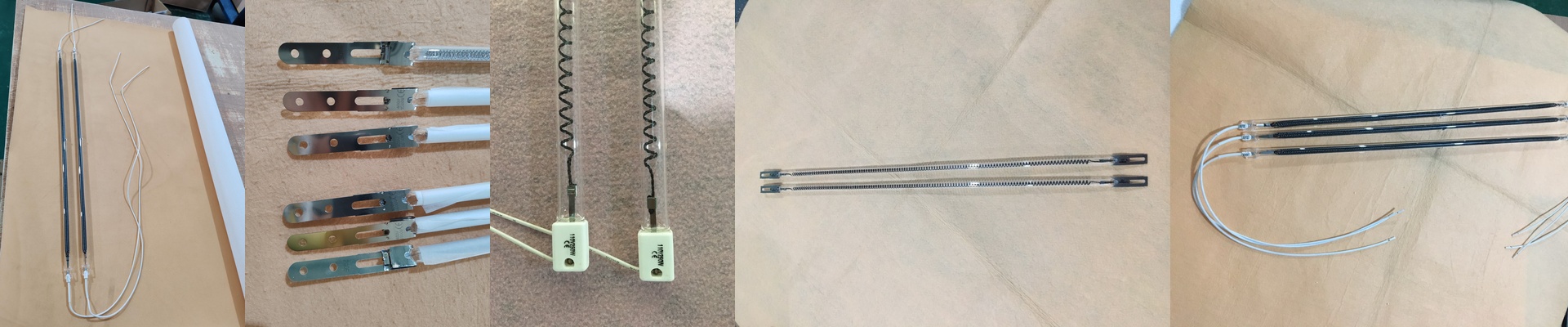

Getting Your Heat Right: Quartz vs. Carbon Fiber
Let’s get one thing straight: these aren’t your average heat lamps. When we’re talking about industrial ovens and drying tunnels, you need precision. You need the heat to go exactly where it’s supposed to, not just “somewhere in the oven.” That’s why we lean on two different beasts: quartz glass and carbon fiber.
Which one do you actually need?
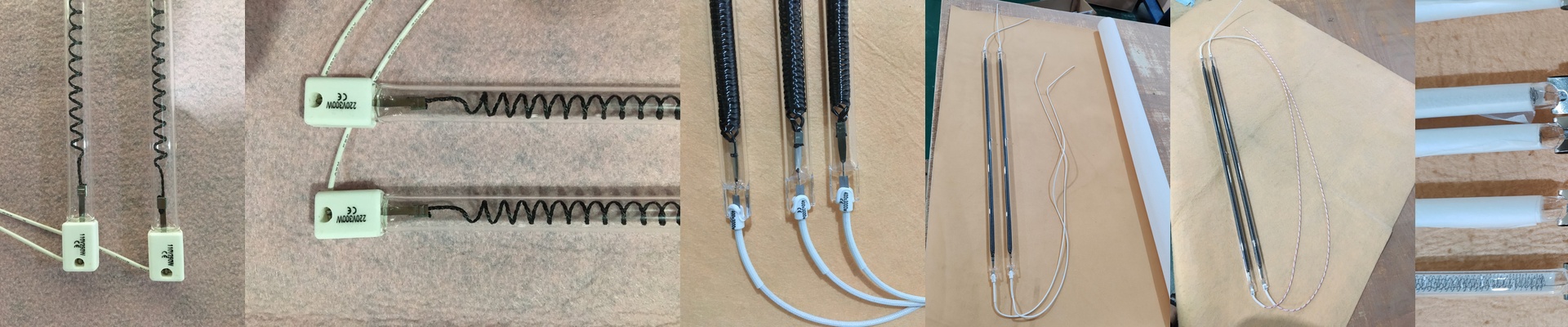
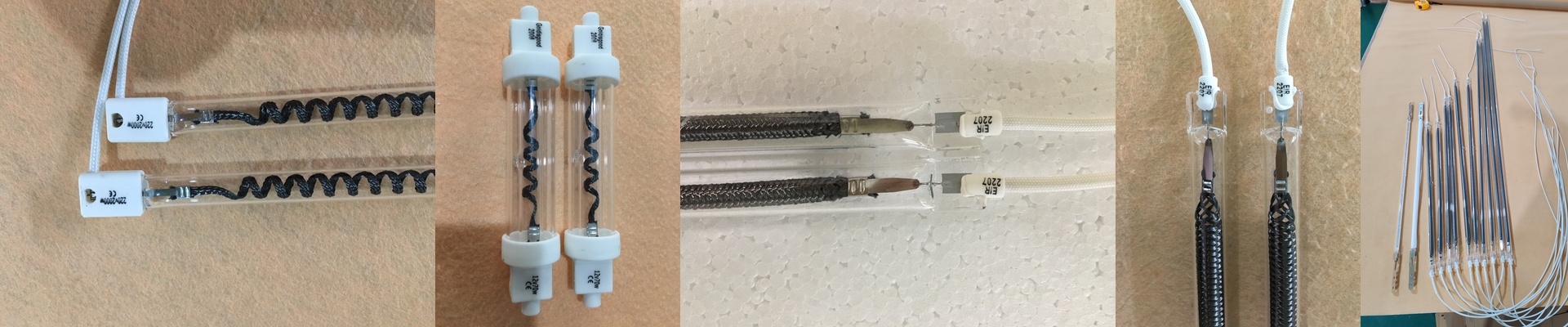
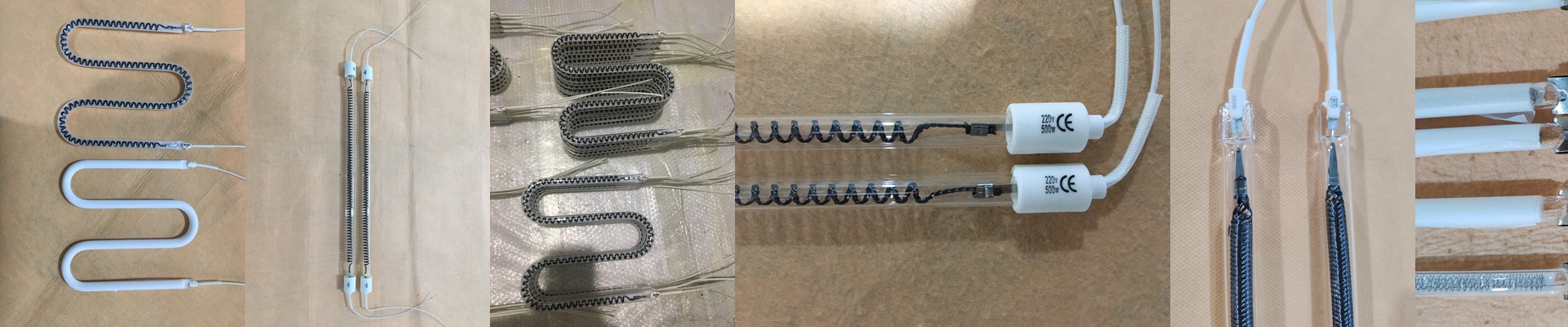
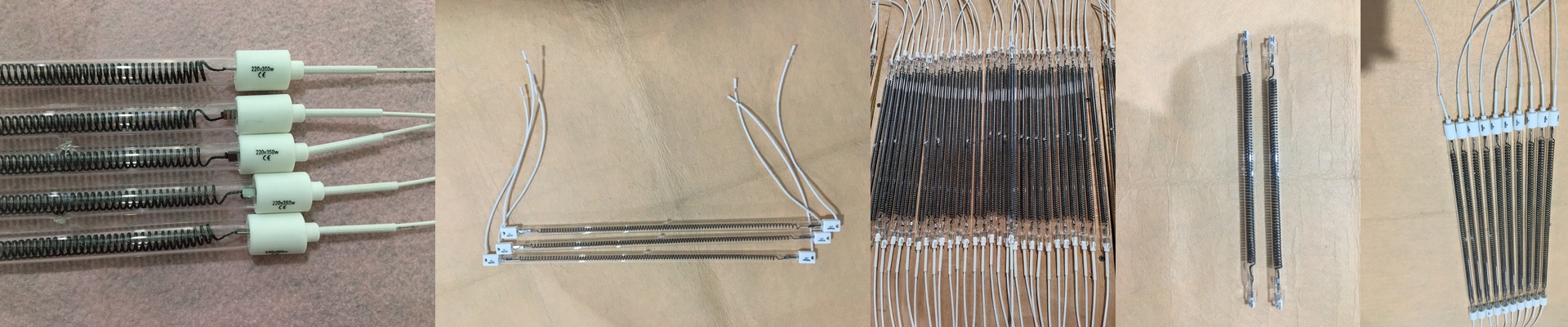
It really comes down to how you want the heat to behave. Quartz is the heavy hitter. We wrap tungsten or halogen filaments in quartz glass because it can take a massive amount of heat without warping. It puts out short-wave IR, which means the heat doesn’t just sit on the surface—it sinks deep into the material. It’s intense. Then you’ve got carbon fiber. These feel different. They emit medium-to-long wave IR, which is perfect when you just need to warm the surface. If you’re worried about cooking the core of your part, carbon fiber is your best bet.
The nitty-gritty of the setup
When you’re picking your specs, think about the footprint. The diameter and length of the tube determine your heat density. Basically, the tighter the space, the more watts you’re cramming into every centimeter. We also make sure the end-caps match your current setup, so you can just swap them in without a headache. And here’s a pro tip: think about the coating. A clear tube is standard, but a coated one acts like a mirror, bouncing the energy forward onto your workpiece. It stops your oven walls from soaking up all the expensive heat.
The trade-offs (because there’s always one)
Nothing is perfect. Those high-wattage quartz heaters? They ramp up fast. Like, really fast. But they’re hungry. If you go for maximum density, make sure your wiring and contactors can handle the surge, or you’re going to have a bad day. Carbon fiber is the steadier, more efficient sibling. It’s great for long hauls, but it won’t hit those screaming peak temperatures that a halogen quartz lamp can. It’s all a balancing act between how fast you need your cycle to run and what your electrical panel can actually handle.