


Stop the Drift: Getting Your Brake Pad Curing Right
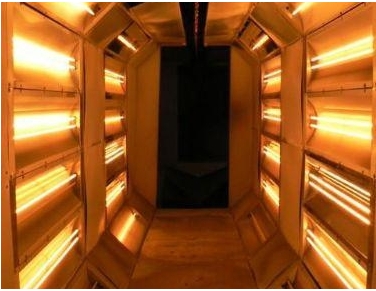
If you’re running a brake pad line 24/7, you know the struggle. You need a perfect thermal profile to cure those resins, but if you push too hard, you scorch the material. The real nightmare? Power drift. One minute everything is fine, and the next, your IR modules are fluctuating. Suddenly, you’ve got a batch with inconsistent hardness, and you’re staring at a pile of scrap. We built our infrared modules specifically to kill that volatility. Keeping the heat steady Getting zero fluctuation isn’t magic; it’s about the materials. Most cheap lamps just dip in wattage as they get old or freak out when the factory voltage swings. We don’t do that. We use heavy-gauge tungsten filaments designed for the long haul. Combine those with dedicated PID controllers and high-stability transformers, and you get a flat heat density. It stays consistent even if the line runs for weeks without a single shutdown. Built for the grit Brake material plants are dusty, messy places. Consumer-grade quartz wouldn’t last a week here. That’s why we use high-silica quartz. It can take a beating. We also reinforced the end-caps and used heavy-duty connectors because nobody wants to deal with arcing at the terminals. We stick with shortwave IR. It digs deeper and faster into the pad than medium-wave does. The best part? You can shorten your tunnel and save a ton of floor space. The catch Here is the thing: high-density shortwave heat is aggressive. It cures the pads fast, but it puts a massive load on your cooling fans. If your ventilation isn’t strong enough to pull that ambient heat away from the reflectors, you’re going to fry your wiring. You have to balance your lamp wattage with your exhaust CFM. It’s a delicate dance, but it’s the only way to keep the system stable. Just wire these into a stabilized circuit and keep those reflectors polished. Do that, and you can run your 24-hour cycle without worrying about the drift.