


Stop the Squeal: Why Your Curing Process is the Real Culprit
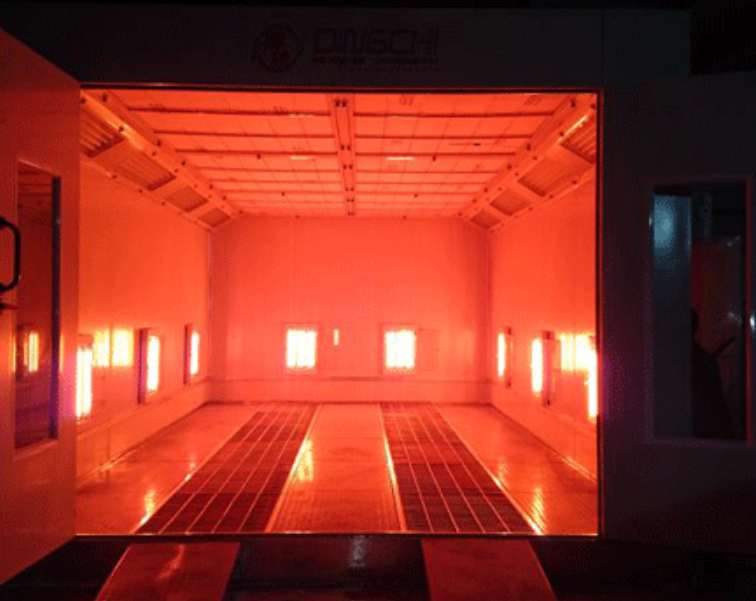
If you’re dealing with brake noise, you have to look at the oven. Most of the time, that annoying squeal starts right there. When friction materials don’t cure evenly, you end up with internal stress and weird density gaps across the pad. You get these “hard spots” that vibrate against the rotor. That’s the sound you’re hearing. It’s not a mystery; it’s just physics. Getting the heat where it actually matters Most standard convection ovens just heat the surface. The heat then has to slowly crawl its way to the center. It’s a sluggish process that leaves the middle of the pad lagging behind. We do things differently with shortwave infrared (IR) lamps. Instead of waiting for the heat to soak in, IR radiation goes straight through the material. It hits the molecules everywhere at once. The result? A uniform cure from the top surface all the way down to the backing plate. No density gaps, no weird vibrations, and—most importantly—no noise. The gear and the heat To get those temperatures up quickly, we use high-wattage quartz lamps. They put out a massive amount of concentrated heat. But you can’t just throw them in; you’ve got to match your voltage and wattage to the size of your oven, or you’ll end up with cold spots. One heads-up: if you’re running a heavy array of 2000W+ lamps, your oven chassis is going to feel it. It’s a lot of heat. Make sure your cooling fans and insulation can actually handle the load, otherwise, you might see your oven frame start to warp. Keeping things running We use standardized connectors because nobody wants to rewire a whole rack just because one bulb went out. You just swap it and keep the line moving. Simple. But here is a pro tip: treat those quartz tubes with kid gloves. Seriously. A single fingerprint can create a hot spot on the glass, and that’s usually what kills the filament. Use lint-free gloves when you’re installing them. It takes two seconds, but it makes the lamps last a whole lot longer.