


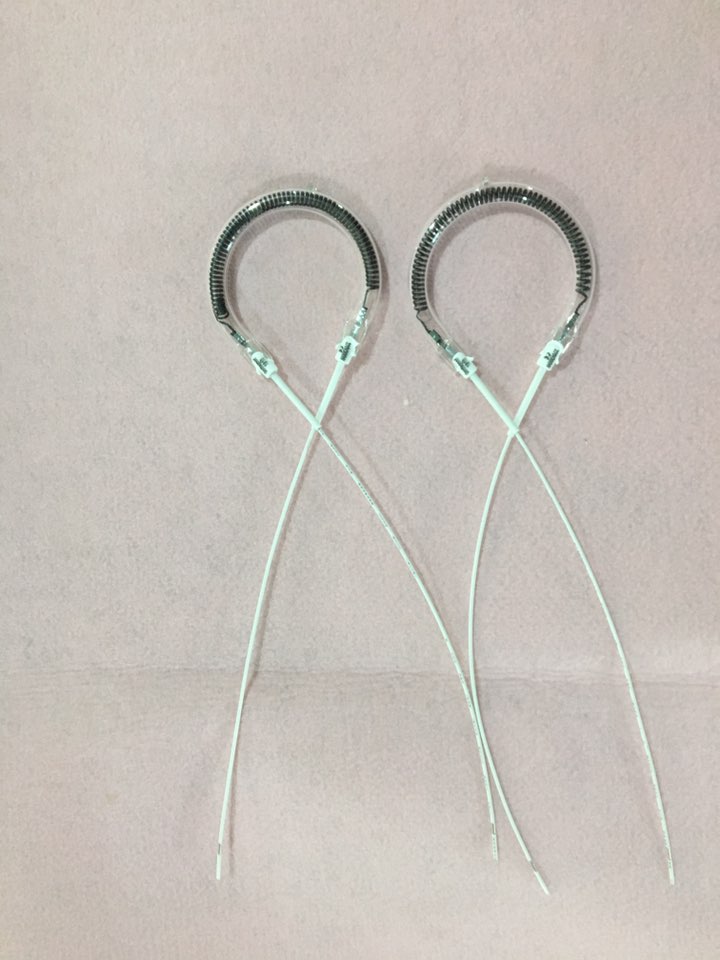
Let’s Talk Carbon Fiber Infrared Emitters
Ever wonder why some heaters just feel… better? It comes down to how they work. Most old-school heaters use metal coils, but we use carbon fiber. Instead of heat coming from a few narrow spots, carbon fiber spreads the warmth across a much wider area. It’s a more even glow. No more hot spots or cold patches—just a steady, consistent heat that actually hits your target.
The Power Side of Things
We build these lamps to pack a serious punch without taking up your entire workbench. But here’s the thing: you’ve got to be smart about your power. If you go for a high-wattage tube, you’ll get that heat almost instantly. It’s fast. Really fast. But that speed puts a lot of pressure on your power supply. Just make sure your wiring and breakers can handle the peak current when you flip the switch. You don’t want to be smelling burnt wires on day one.
What’s Under the Hood?
We wrap the carbon filament in high-purity quartz glass. This does two things. First, it keeps the carbon from oxidizing (which would kill the lamp). Second, it lets the infrared rays slide right through without getting trapped in the glass. And because nobody likes a headache during installation, we use standard R7s or Sk15 connectors. They just slide right in. It’s a tight fit, which is exactly what you want so you don’t have to worry about electrical arcing.
A Few Things to Watch Out For
If you’re switching from convection heating, you’re going to notice a huge jump in efficiency. Why? Because these heaters target the object itself, not the air around it. But there is a trade-off. That quartz tube getsscorching hot. If your cooling fans aren’t up to the task, that heat can soak into your machine and fry nearby sensors or melt your wiring. Give the emitter some breathing room. Keep it away from the chassis so you don’t end up with warped metal. These are perfect for things like PET blowing, drying lines, or curing ovens—basically anywhere where you can’t afford to wait around for things to warm up.