Introduction
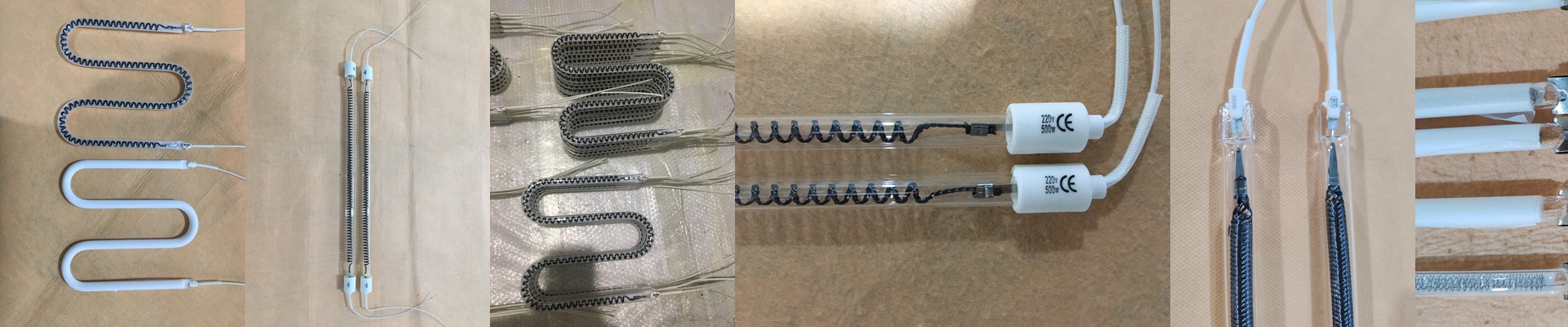
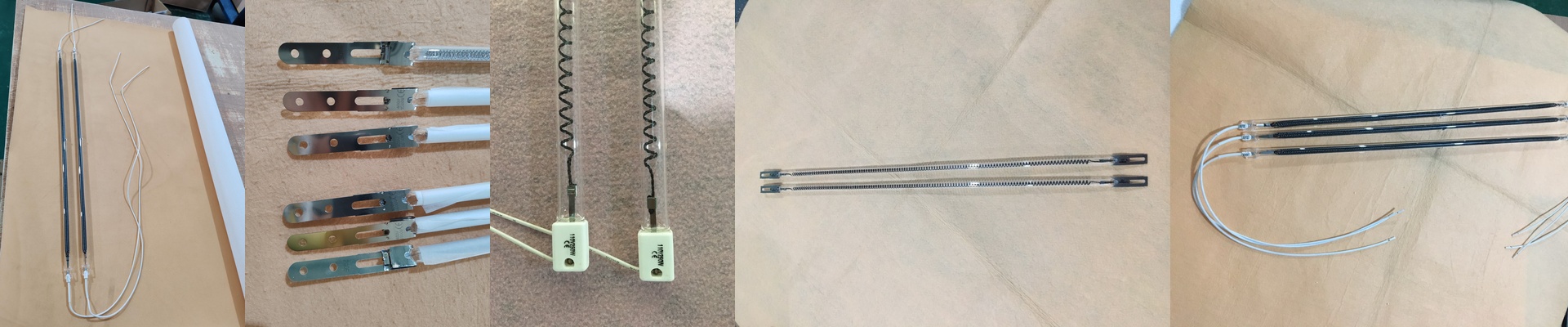
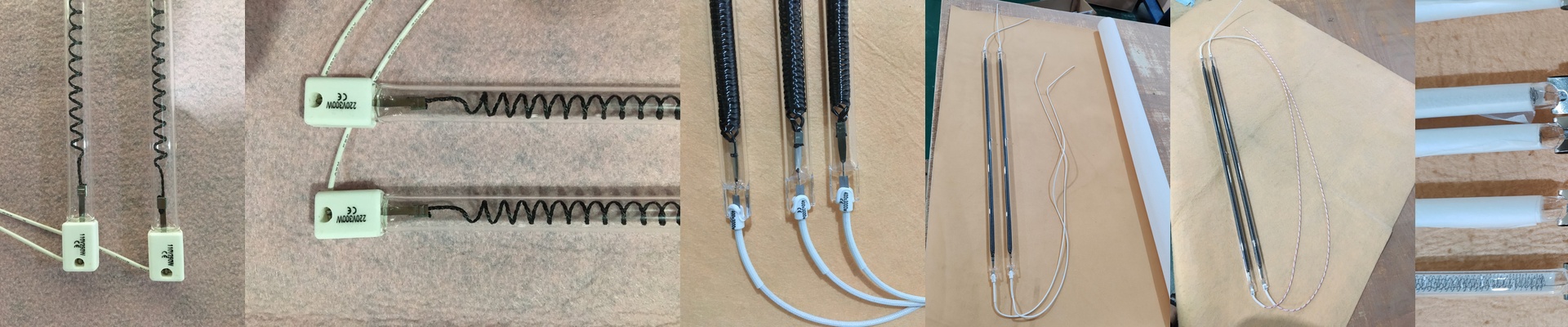
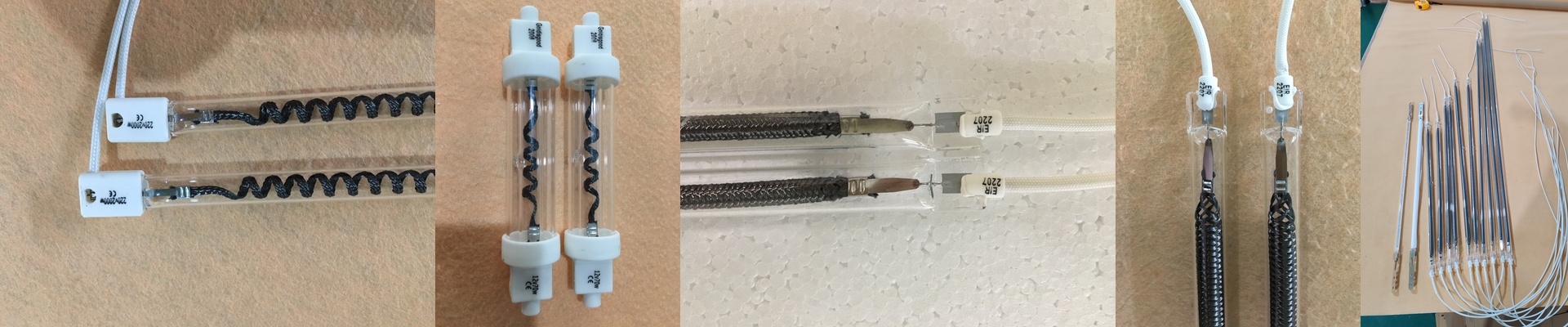
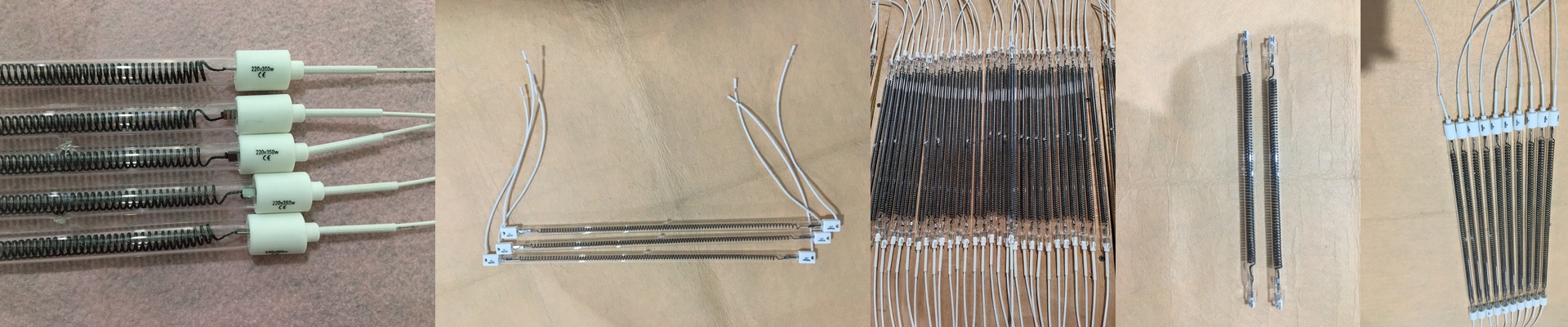
Let’s talk about heating. Specifically, the kind that’s fast, focused, and doesn’t waste a single watt on the stuff you don’t need to heat. We build carbon fiber infrared heating lamps for industrial machines that need serious, on-demand heat. These aren’t your standard, run-of-the-mill heaters. They’re designed to pack a huge punch into a small tube, so you can get your target hot, fast, without heating up the whole room.
The Power, Voltage, and Size Breakdown
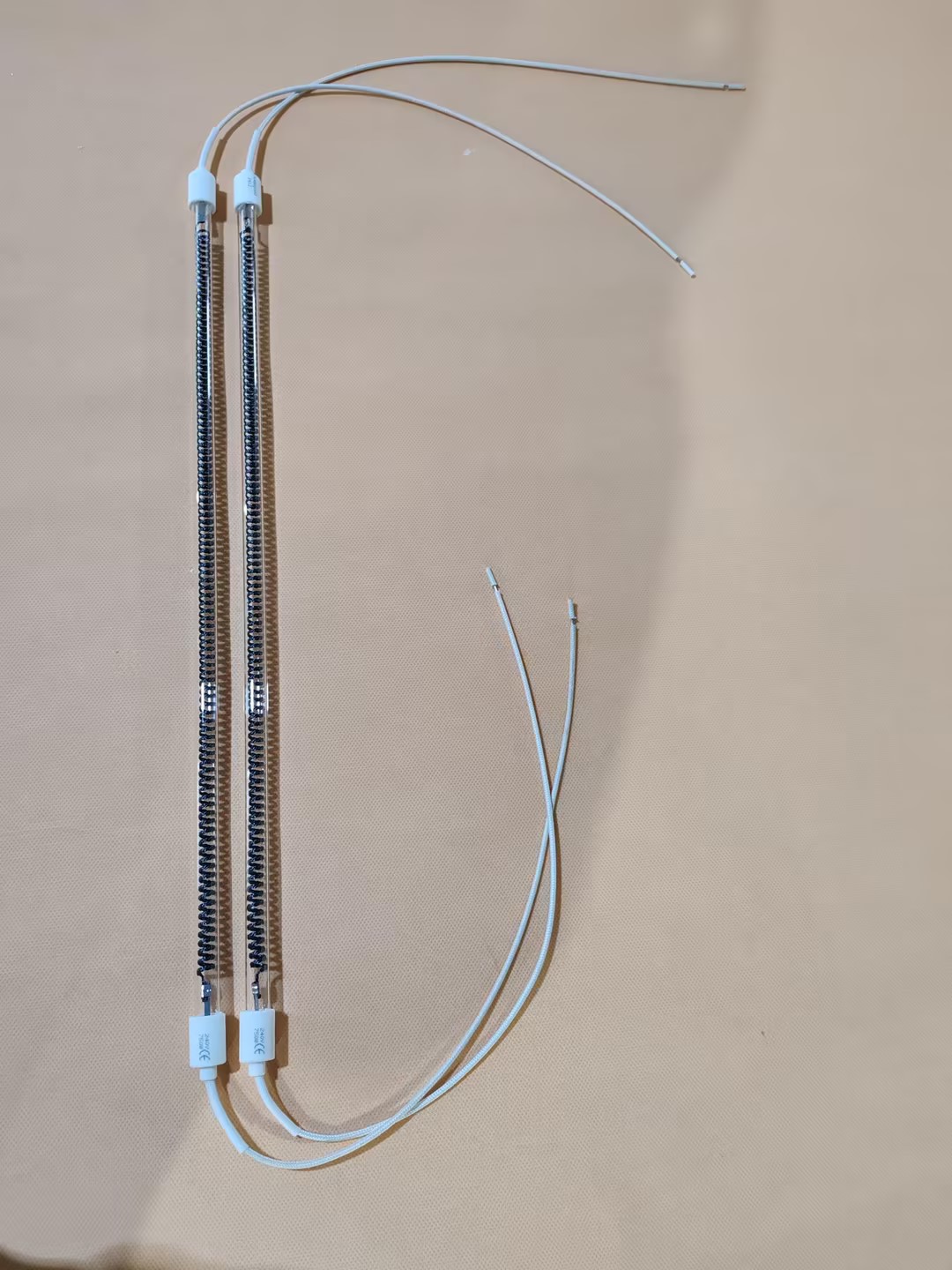
When you’re looking at these lamps, three numbers tell the whole story: wattage, voltage, and length. They’re what define the heat output and the electrical needs. Take a common industrial setup, for example: a 2500W lamp running on 400V, all housed in a 300mm quartz tube. The 400V rating is a smart choice. It drops the current for that amount of power, which means you can use smaller wiring and avoid voltage drop over long runs. And that 300mm length? It gives you enough surface area to crank out serious power, but keeps the whole thing compact enough to squeeze into those tight spots inside your machinery.
Inside the Design: Quartz, Halogen, and the Right Fit
The heart of it all is the carbon fiber filament, nestled safely inside a quartz envelope. Many of these lamps also use a halogen cycle to keep that filament stable. This setup lets the lamp run at crazy-high filament temperatures, which pushes the energy right into the shortwave infrared band. And that’s key, because shortwave infrared heats surfaces fast. It penetrates and gets absorbed quickly by all sorts of industrial materials. Then there’s the connector. It uses an R7s fitting, a double-ended linear connection that gives you a solid mechanical hold and a reliable electrical contact. This matters on the factory floor. Vibration and regular maintenance can loosen things up, but the R7s keeps the lamp aligned and prevents hot spots at the contacts.
Where They Shine: Speed, Power, and Easy Swaps
These lamps are the go-to for processes that need lightning-fast response. Think PET blowing, plastic welding, and coating curing. The high heat density means you hit your target temperature in no time, which cuts down your cycle times. And because it’s all packed into a compact tube, it’s a straightforward swap-in for existing equipment. Now, here’s the trade-off: packing that much wattage into a short tube creates intense, localized heat. So your machine needs to be built to handle that. It has to manage reflected heat and keep nearby components cool. If you’re spec’ing out a 400V, 2500W lamp, just make sure you’ve got the cooling path sorted out and that your reflector is directing that energy exactly where you need it.