M-Shape Carbon Fiber Heating Elements: Design and Application in High-Density Infrared Systems
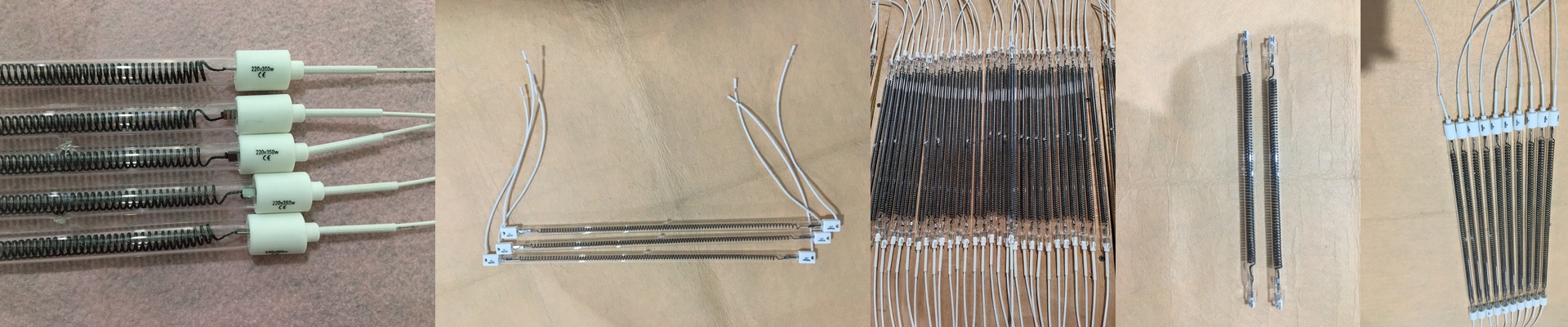
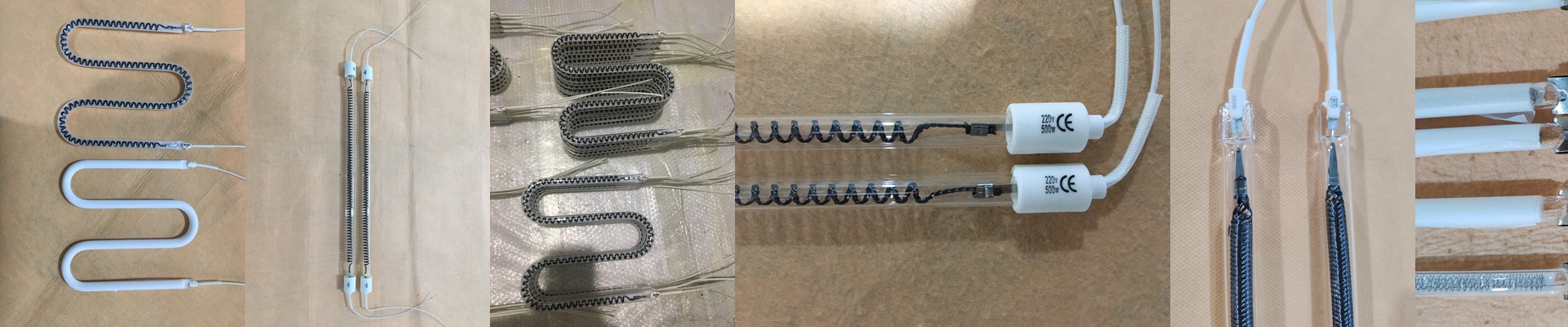
We built the M-shape carbon fiber element for engineers who need serious heat in a small space. This isn’t your run-of-the-mill heater. It’s a focused infrared emitter, built for one thing: delivering fast, stable heat where your machine is tight on room.
Power, Voltage, and Geometry, Demystified
Here’s the thing about the M-shape: it concentrates the electrical path. That means you get a predictable heat profile without needing a giant footprint. Match the right voltage and wattage to your needs, and you get temperature control you can rely on, without over-engineering the whole thermal setup. Going with higher voltage also helps. It lowers the current, so you can use thinner wiring and lose less power across the terminals. Just keep one thing in mind: you’re getting a lot of heat density. That’s the whole point. So make sure your machine’s cooling and thermal management are just as sharp.
The Materials and Design, Broken Down
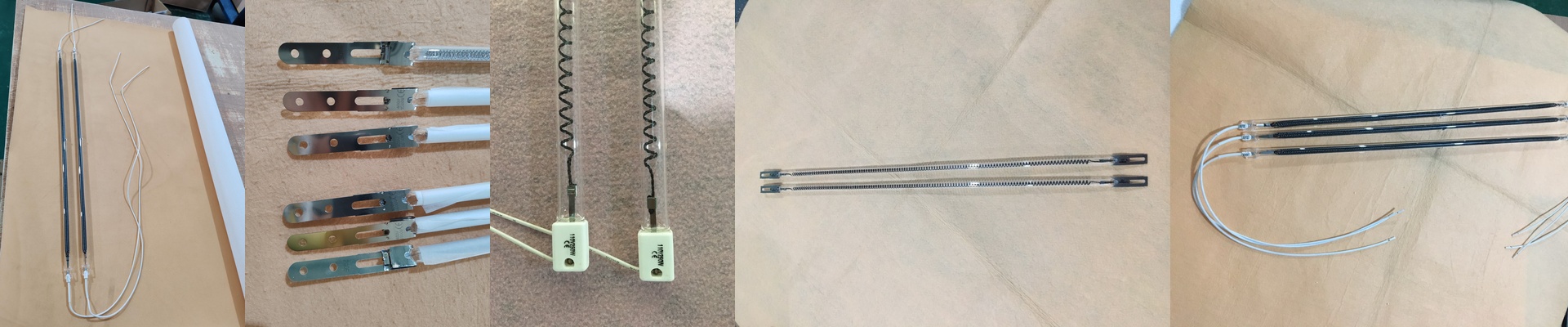
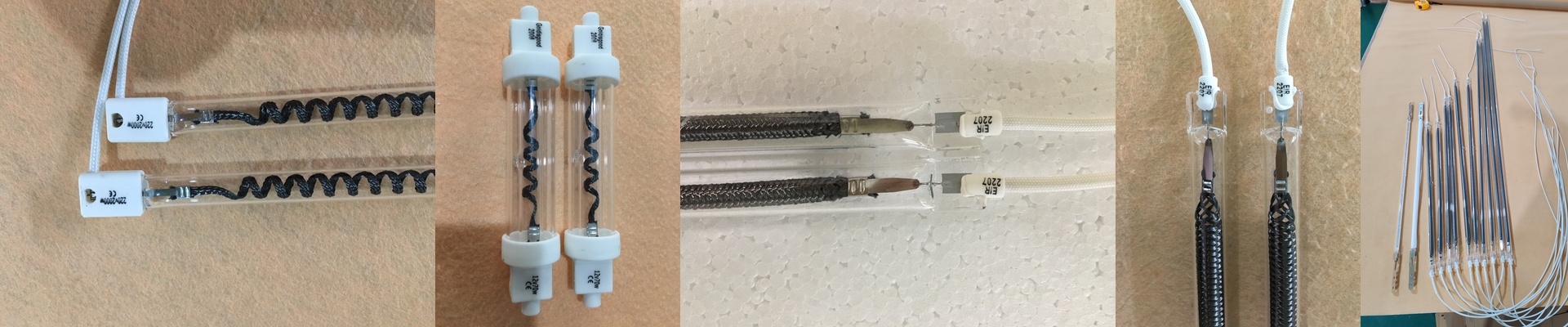
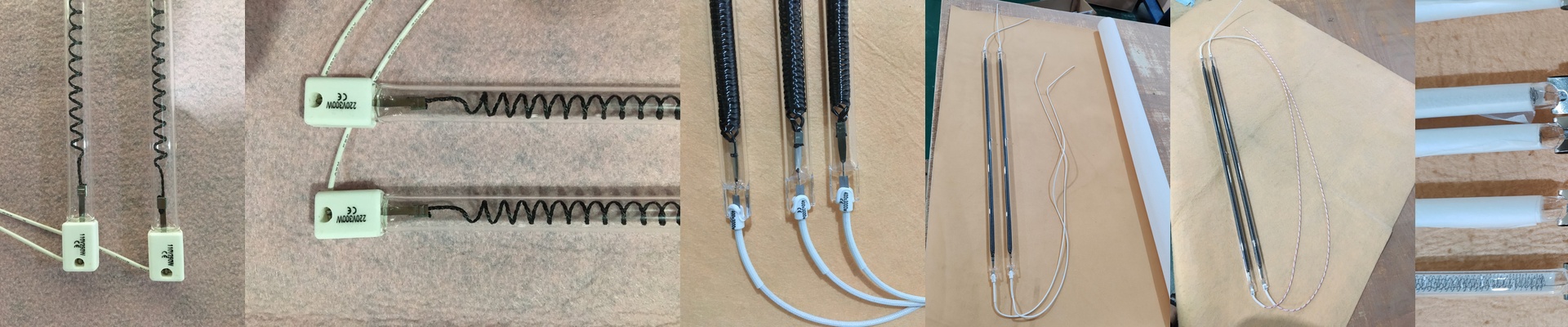
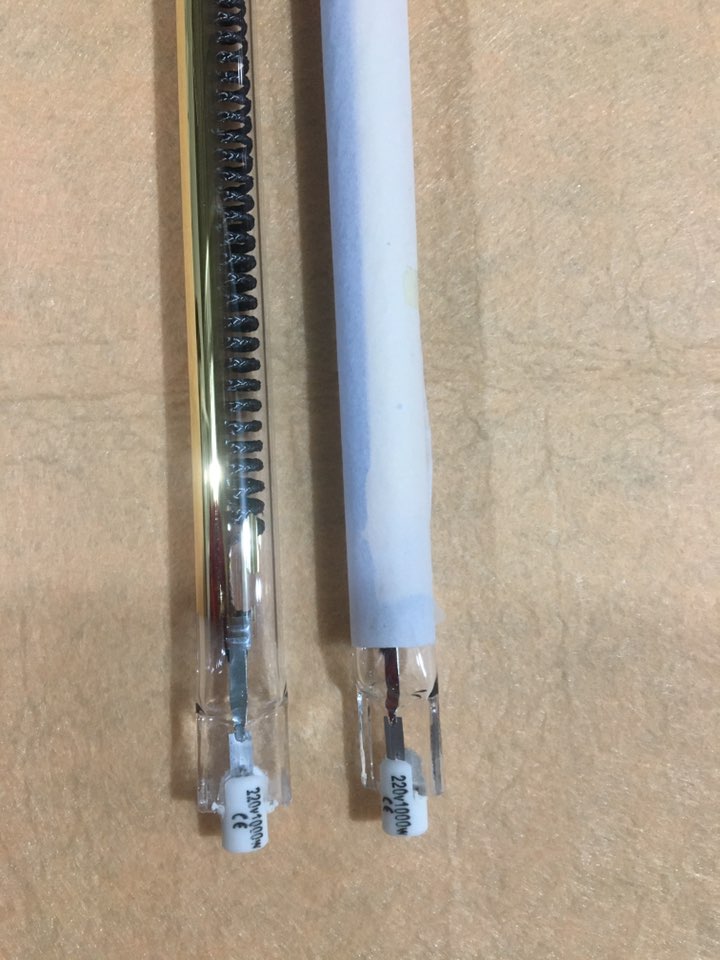
We wrap the carbon fiber core in a quartz envelope, filled with halogen. Why? The halogen cycle keeps the envelope from blackening over time. That means your output stays steady, even after long stretches of use. Quartz is tough. It handles sudden temperature swings and stays highly transparent in the near-infrared range. In plain terms, that means your targets heat up faster. And when it comes to installing it? We made it simple. The standard bi-pin or linear contact interfaces make it a straightforward drop-in replacement. The joints are solid, but just be gentle with the ceramic-to-metal connection when you clamp it down. A little care there prevents stress fractures.
Where It Shines and What It Gives You
This setup is made for industrial work that needs fast, focused heat. Think plastic processing, coating curing, and composite heating. The M-shape puts the energy right where you need it, which cuts down on wasted heat. The payoff? A smaller footprint, quicker cycle times, and performance you can count on. Just plan for enough airflow and give yourself some mounting clearance. When you’re dealing with this kind of intensity, managing reflected heat and hot spots is key.