Introduction
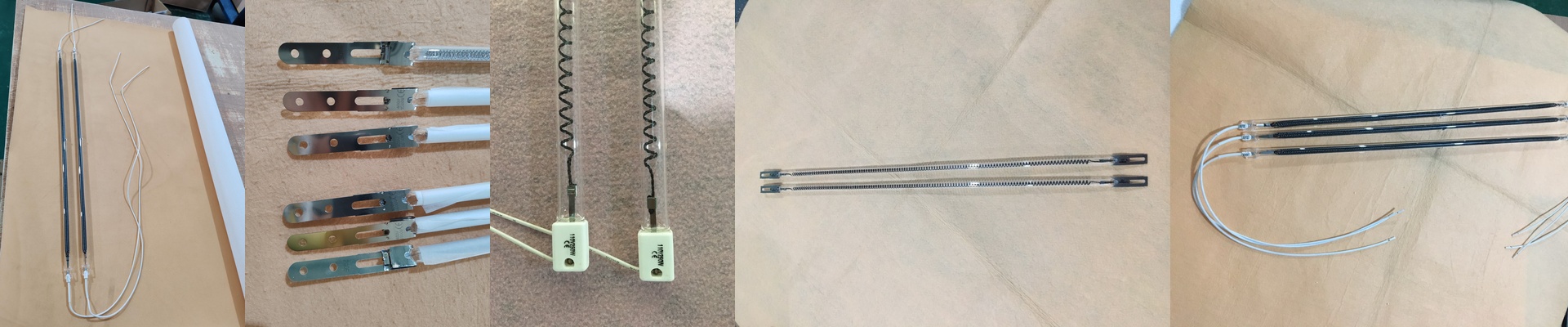
Let’s get real. We built this carbon fiber halogen heater for the places where downtime isn’t just an inconvenience—it’s a disaster. This isn’t some flimsy, consumer-grade gadget. It’s a serious piece of equipment, designed for machines that run long shifts and can’t afford to just… quit. The whole point? A rock-solid 6,000-hour lifespan, packed into a tight, high-power package.
The Nitty-Gritty
Here’s the thing about industrial heating: you can’t just wing it. You have to match the wattage and voltage to the job. So we designed this heater to crank out serious heat in a small footprint. Perfect when you need things to heat up fast, but you’re working with cramped space inside a machine. And that 6,000-hour lifespan? It’s not a hopeful guess. It’s the result of nailing the details: the filament shape, the gas inside, and keeping the operating temperature in check. The payoff? Consistent heat, day after day. We’ve slowed down the filament burnout that usually kills other heaters early. On the shop floor, that means fewer scrambles to change lamps. Fewer production stops. Less time spent on maintenance, and fewer spare parts clogging up your storage.
What’s Inside
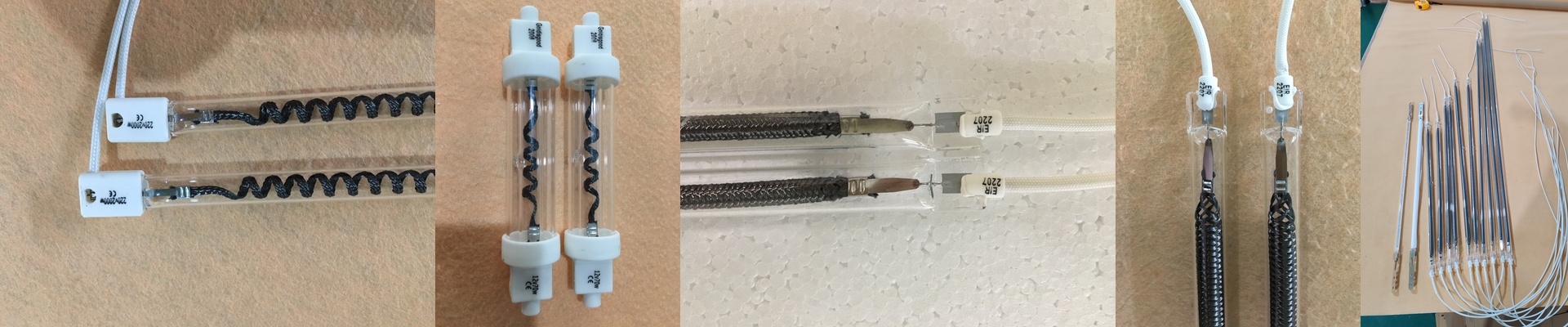
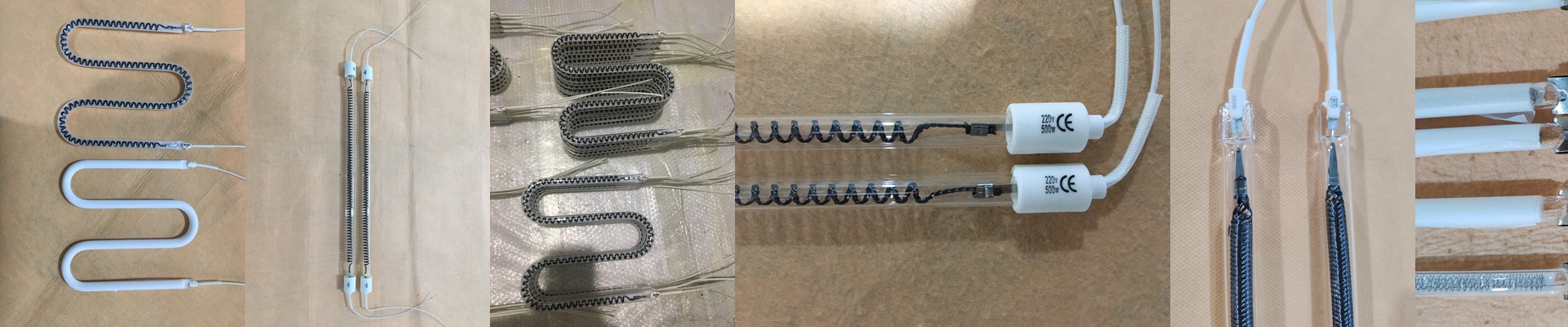
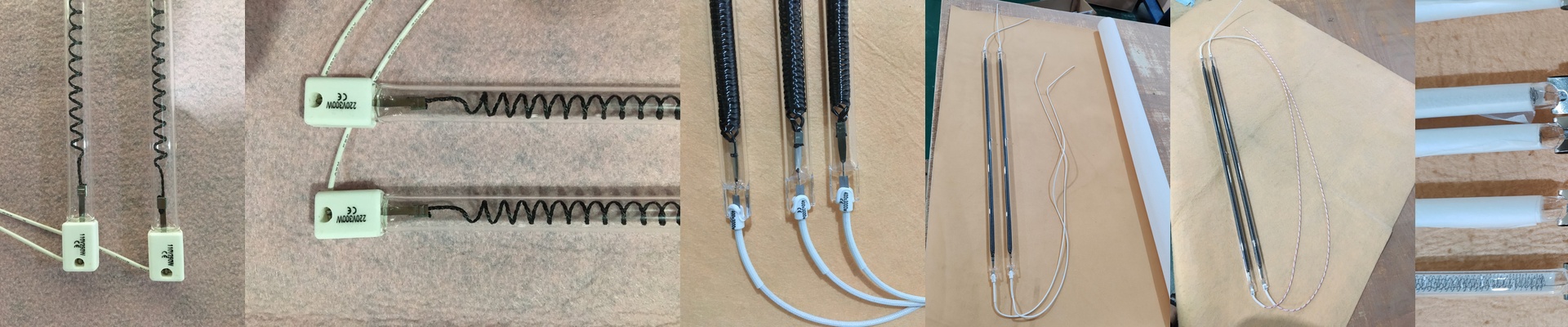
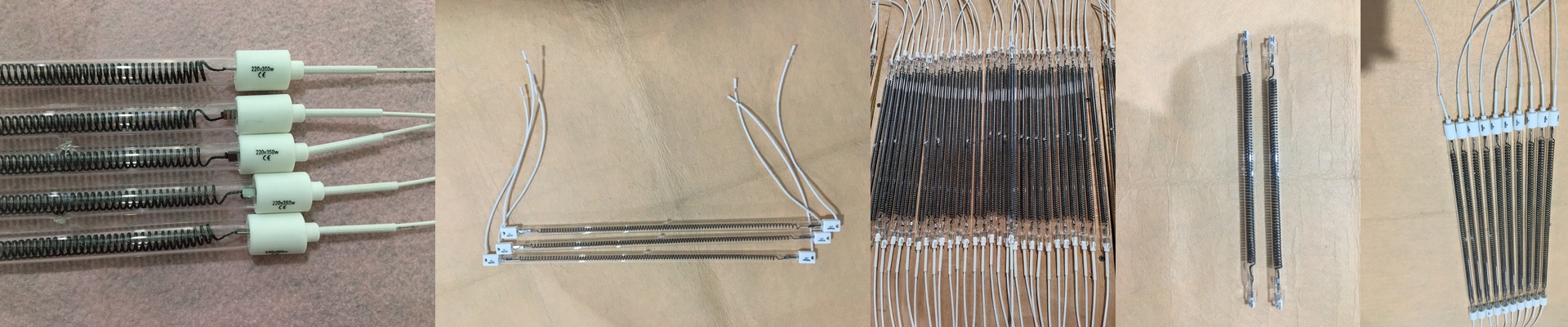
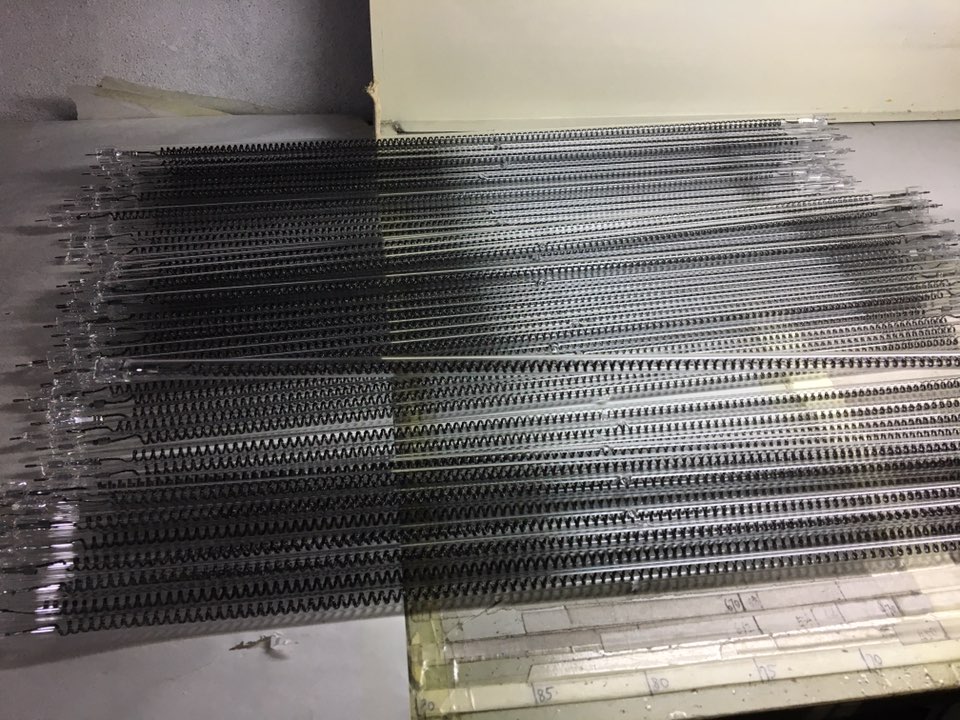
The heart of this thing is a carbon filament, snug inside a quartz envelope—not cheap, soft glass. Quartz can handle the shock of heating up and cooling down quickly, and it stays stable even when things get scorching. Then there’s the halogen chemistry inside. It’s a clever little trick that keeps the inside clean by putting the tungsten back onto the filament. This helps the heater keep its power and performance steady. And let’s talk about the connections. They’re built to handle high current without getting hot themselves. The mechanical hold is tough enough to survive constant vibration and being plugged and unplugged again and again. Because let’s face it, a killer heater is useless if the connection is the part that fails.
Where It Shines
This heater is your go-to when you need fast, focused infrared heat for jobs like shaping plastic, drying coatings, or curing on an assembly line. Its compact size means you can squeeze it into tight spots without having to redesign the whole machine. But, and this is important, that much power in such a small space means you need to manage the heat. You’ve got to make sure there’s enough airflow or proper heat sinking, so you don’t cook the parts around it. When you get that part right, this heater just runs. For 6,000 hours. So you can plan your maintenance around your schedule, not the other way around. No more fire drills. Just steady, reliable work.