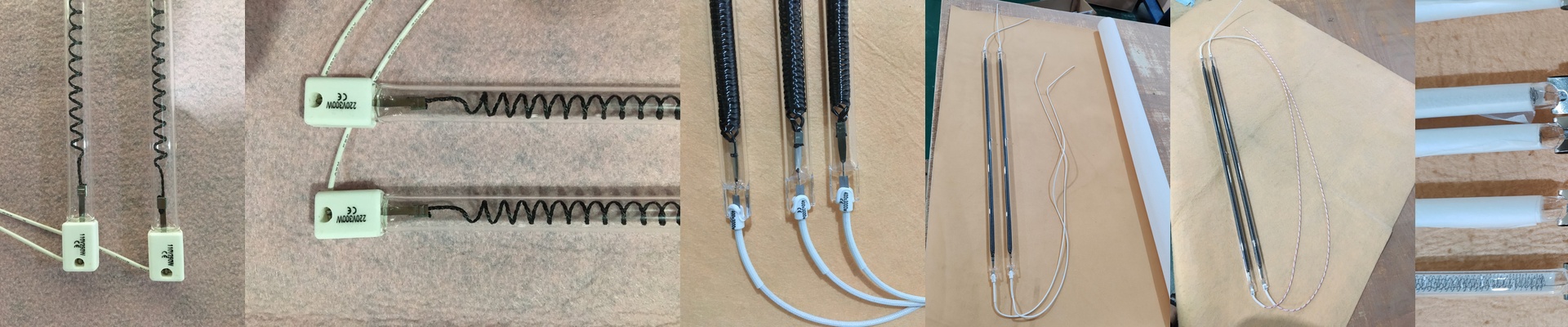
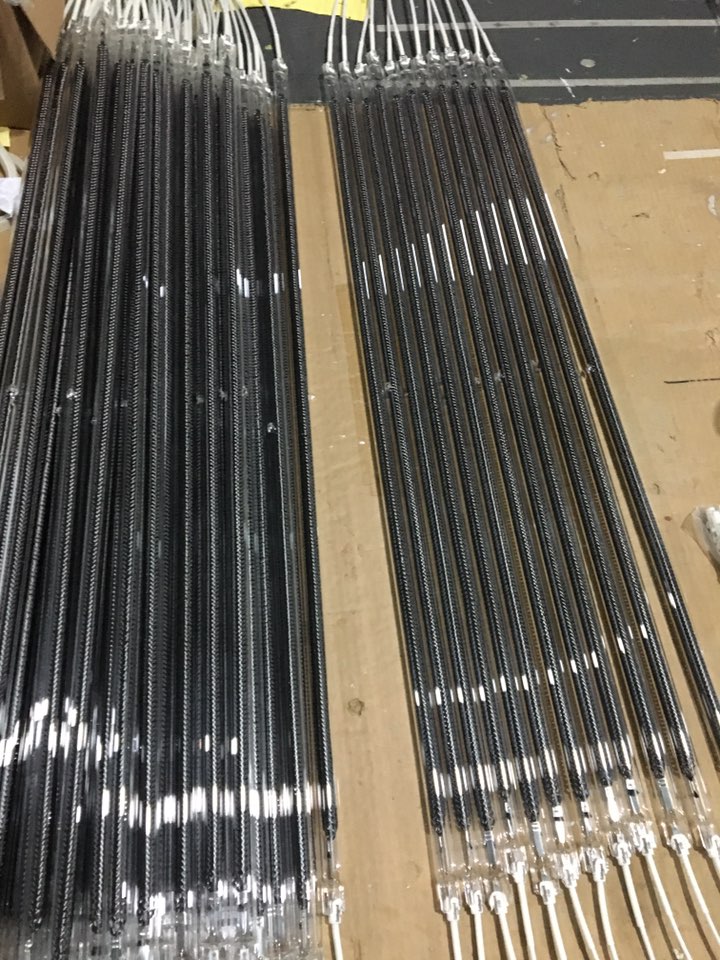
Carbon Fiber IR Heat Lamps: Built with Quartz for the Real World
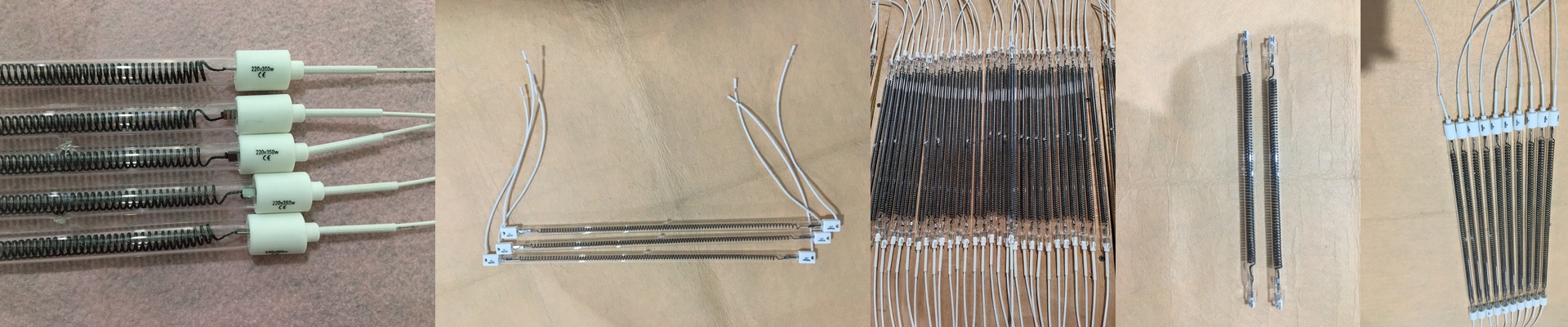
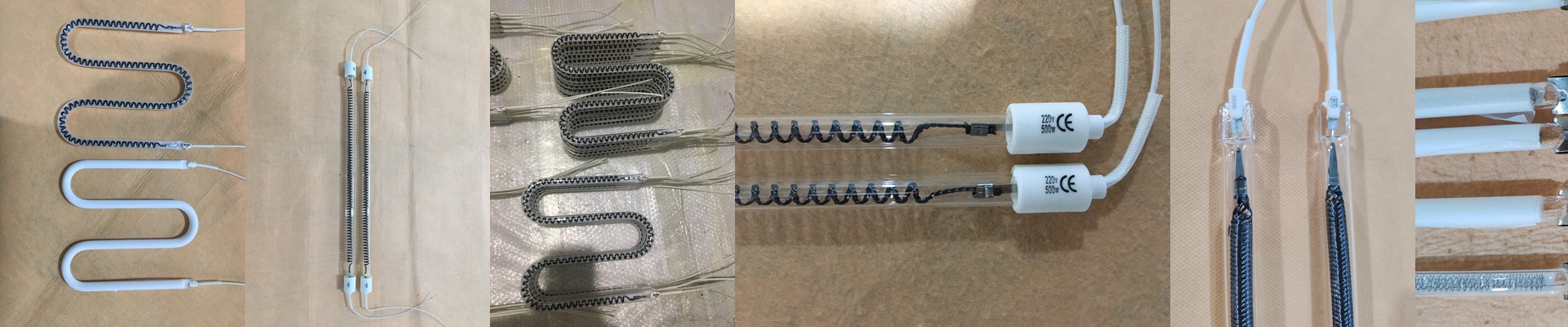
We build our carbon fiber infrared heat lamps inside a quartz envelope for one simple reason: they have to hold up in messy, demanding industrial spaces. This combo gives you dependable output and a long working life—no fuss, no frills. These aren’t showpieces. They’re tools, designed for process heating where you need heat that turns on fast, points exactly where you want it, and stays steady shift after shift.
Power, Voltage, and Fit: Matching the Lamp to Your Space
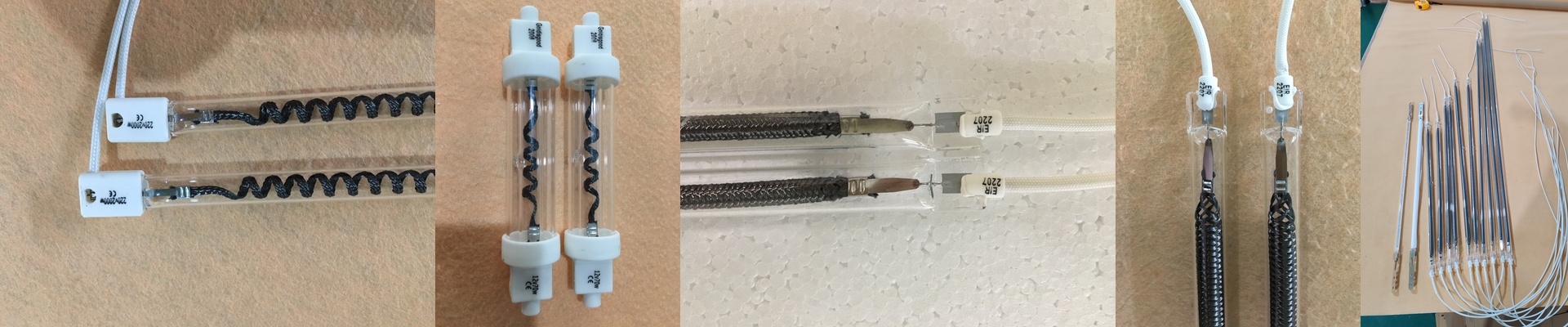
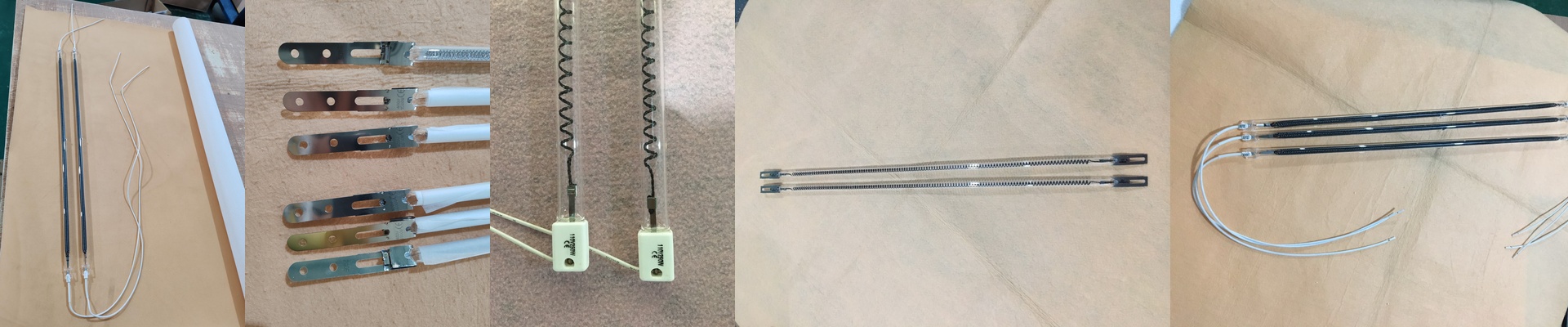
It all comes down to making the lamp fit the job and the room it has to live in. A common setup runs on 400V. That lets you pack more wattage into a single lamp without overworking your wiring and terminals. The 300mm length? That was chosen to slide into tight spots—small ovens, focused curing lines, and cramped machine footprints. Wattage and voltage are matched to hit the right energy density. More wattage in a short envelope means intense heat in a small footprint. But that also means the surrounding hardware needs to handle the heat. We design the lamp to drop in as a replacement, but you still need to make sure your controls, wiring gauge, and cooling can keep up with the thermal load.
The Build: Quartz Envelope, Carbon Fiber Element, R7s Connector
We choose quartz because it laughs at thermal shock. It handles rapid on/off cycling and stays dimensionally stable, even when the temperature climbs. Inside, the carbon fiber heating element has low thermal mass. So the lamp heats up fast and cools down fast. In practice, that means tighter temperature control and less wasted idle heat when the process pauses. The R7s connector is a practical, no-drama choice for industrial installs. It locks in securely, keeps the lamp aligned, and withstands high temperatures at the ends without softening or creeping. And because the lamp is centered end-to-end in the reflector, the beam pattern stays consistent.
Where It Shines: Fast Heat, Real-World Benefits
This setup is built for work that needs rapid, localized heating—preheating components, curing coatings, drying surfaces, and supporting plastics processing. The carbon fiber element cuts the warm-up wait. The quartz envelope keeps output stable even when the surroundings swing hot and cold. Here’s the trade-off, plain and simple: high heat density is powerful, but it needs respect. You have to manage the heat. Make sure you have proper ventilation, reflector shielding, and thermal separation from nearby parts. When you spec the lamp right and design the surroundings for the heat, you get repeatable performance—and fewer burn-outs. Which means less downtime, and more days where the line just keeps moving.